
Blood cancers such as leukaemia, lymphoma, and myeloma require rapid, highly specialised treatment where early diagnostic accuracy and timely intervention directly influence outcomes.
In India, advanced options like bone marrow transplant, targeted therapy, and immunotherapy are increasingly accessible, but the quality of care varies based on how treatment is planned and delivered.
Choosing the right hospital is therefore a clinical decision, not just a preference.
This blog explains how blood cancer treatment works, what defines the best hospitals, and how to choose the right centre in India.
Why Blood Cancer Care Needs Precision From Day One
Blood cancer does not usually form one fixed tumour that doctors can remove surgically. It affects the blood, bone marrow, lymphatic system, or plasma cells, which means the disease can spread through the body early and progress quickly in some cases.
Treatment depends on the exact diagnosis, not just the broad cancer name. For example, two patients with leukaemia may need completely different treatment based on whether they have AML, ALL, CLL, genetic mutations, high-risk markers, or relapse signs.
To decide the right treatment pathway, doctors evaluate multiple clinical factors together:
| What doctors check | Why it matters |
|---|---|
| Cancer type | Leukaemia, lymphoma, and myeloma need different treatment pathways |
| Subtype | AML, ALL, CLL, Hodgkin lymphoma, NHL, and myeloma behave differently |
| Genetic markers | Helps decide targeted therapy, relapse risk, and transplant need |
| Bone marrow involvement | Shows disease burden and treatment intensity required |
| Patient condition | Infection risk, organ function, age, and immunity affect treatment safety |
The goal is not just to begin treatment quickly. It is to begin the right treatment first. A wrong or incomplete diagnosis can delay chemotherapy, targeted therapy, immunotherapy, or bone marrow transplant decisions.
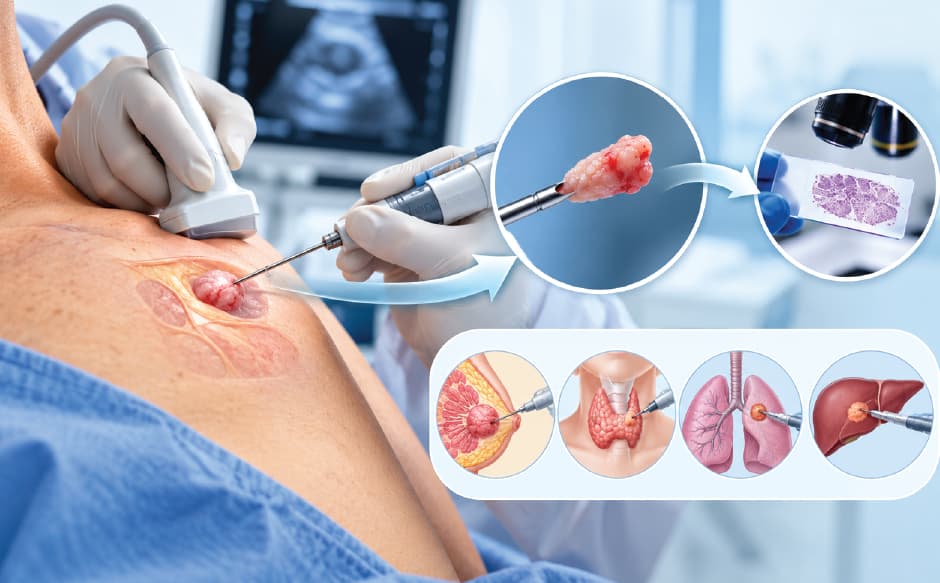
Within 5–7 days, bone marrow biopsy, flow cytometry, cytogenetics, and molecular tests confirm the subtype, identify high-risk mutations, and determine whether the patient needs induction chemotherapy, targeted therapy, or early bone marrow transplant planning.
Once the diagnosis is suspected, the next few days become critical because every report guides the treatment sequence.
Advanced Blood Cancer Treatments in India: What Patients Need to Understand
Blood cancer treatment in India now goes beyond standard chemotherapy. The approach is based on how the disease behaves, how the patient responds in the initial phase, and whether there is a risk of relapse. The focus is not just on starting treatment, but on selecting the right sequence of therapies early.
Key treatment options used in practice:
1. Chemotherapy (first-line treatment)
Used in most cases to reduce cancer cells quickly and stabilise the patient, especially in acute leukaemia and aggressive lymphomas.
2. Targeted therapy (mutation-based treatment)
Recommended when specific genetic markers are identified, helping attack cancer cells more precisely with fewer side effects.
3. Immunotherapy (immune-based approach)
Commonly used in certain lymphomas and relapsed cases to enhance the body’s ability to fight cancer.
4. Bone marrow transplant (BMT)
Considered in high-risk or relapsed cases, where replacing diseased marrow can offer long-term disease control or cure.
5. CAR-T cell therapy (for resistant cancers)
A specialised option for select patients when standard treatments fail, using modified immune cells to target cancer.
Advanced treatment works best only when the hospital has the right systems to diagnose, plan, manage complications, and monitor recovery without delay.
What Defines the Best Blood Cancer Hospital in India Today?
The best blood cancer hospital in India is not defined only by big infrastructure or one advanced treatment. It is defined by how well the hospital manages the full treatment chain, from diagnosis to remission monitoring.
A reliable blood cancer centre should offer:
- Dedicated haemato-oncology expertise: Blood cancer needs specialists who understand leukaemia, lymphoma, myeloma, relapse patterns, transplant timing, and treatment complications.
- Advanced diagnostics under one pathway: Bone marrow biopsy, flow cytometry, cytogenetics, molecular testing, PET-CT, and MRD monitoring help doctors choose precise treatment instead of generic protocols.
- Multidisciplinary treatment planning: Haemato-oncologists, medical oncologists, radiation oncologists, pathologists, radiologists, ICU specialists, and transplant teams should review complex cases together.
- Transplant and escalation readiness: The hospital should identify early whether the patient may need bone marrow transplant, targeted therapy, immunotherapy, or referral for CAR-T therapy.
- ICU and infection-control support: Blood cancer patients often have low immunity, bleeding risk, sepsis risk, and treatment-related complications, so oncology care must be backed by strong critical care.
- Blood bank and transfusion support: Many patients need repeated platelets, packed cells, plasma, or specialised blood products during chemotherapy or transplant recovery.
- Continuity from diagnosis to follow-up: The same coordinated team should manage diagnosis, treatment response, relapse checks, recovery, and long-term monitoring.
Even after the right treatment plan is chosen, outcomes often depend on how safely the hospital supports the patient through each phase.
Critical but Overlooked Factors That Impact Blood Cancer Treatment Outcomes
Blood cancer treatment can weaken immunity, reduce blood counts, increase infection risk, and affect organs such as the kidneys, lungs, or liver. This is why supportive care is not “extra care”; it is a core part of successful treatment.
Key factors patients should check include:
- Infection control during chemotherapy or transplant: Patients with low immunity need strict hygiene protocols, isolation support, infection screening, and fast antibiotic access.
- 24/7 blood and platelet availability: Many patients need repeated platelet, plasma, or red cell transfusions during intensive treatment.
- ICU backup for high-risk patients: Complications like sepsis, breathing difficulty, bleeding, or organ stress need immediate critical care support.
- Nutrition and recovery support: Poor nutrition can delay healing, weaken immunity, and affect tolerance to chemotherapy or transplant.
- Response monitoring through MRD and follow-up tests: Doctors must track whether cancer cells remain after treatment, as this helps decide transplant, targeted therapy, or relapse prevention.
- Clear coordination between departments: Haemato-oncology, pathology, radiology, ICU, blood bank, and infection-control teams must work together without delays.


Support systems affect both safety and cost, so patients should look beyond package prices.
Blood Cancer Treatment Cost in India: What Really Determines Value
Blood cancer treatment costs in India vary depending on the treatment pathway and patient condition. On average, chemotherapy can range from INR 1–3 lakh per cycle, bone marrow transplant from INR 15–40 lakh, and CAR-T therapy around INR 30–40 lakh in eligible cases. These figures are based on treatment complexity and hospital infrastructure.
To understand why many patients still choose India despite these costs, it is important to look at the overall value and access to advanced care.
Why India Is a Preferred Destination?
India has become a key destination for blood cancer treatment because it combines advanced clinical capabilities with faster access and relatively lower overall costs. For many patients, especially international cases, this reduces both waiting time and treatment delays.
This advantage is not just about affordability, it is also about how efficiently treatment can begin and progress.
- Advanced care at lower cost: India offers treatments like BMT, targeted therapy, and CAR-T at significantly lower costs compared to countries like the US or UK.
- Access to specialised treatments: Many hospitals provide haemato-oncology expertise, transplant programs, and precision diagnostics under one system, reducing delays in treatment progression.
While India offers strong value, the final cost can vary significantly based on how the treatment journey unfolds.
What Actually Increases Treatment Cost?
In most cases, it is not the base treatment but the complexity and interruptions during care that increase overall cost:
- ICU stays: Critical care support during complications like infection, breathing issues, or organ stress can significantly raise hospital expenses.
- Complications during treatment: Infections, bleeding, or treatment-related side effects may require additional medications, longer hospital stays, and intensive monitoring.
- Delayed or fragmented care: Moving between hospitals for diagnostics, transplant, or advanced therapy can lead to repeated tests, longer timelines, and higher cumulative costs.
In practical terms, choosing a hospital that can manage the entire treatment pathway under one system helps control both clinical risk and total cost.
Fragmented care often increases delays, complications, and total cost. This is where an integrated hospital model becomes important for blood cancer patients.
How BMH Supports Coordinated Blood Cancer Care in Kerala?
At Baby Memorial Hospital, blood cancer care is structured around a coordinated haemato-oncology pathway, where diagnosis, treatment, and supportive care are managed within one system reducing delays that commonly affect outcomes.
To understand what makes this approach clinically relevant, it helps to look at how BMH’s oncology department is structured:
1. Dedicated haemato-oncology and BMT program
BMH has a specialised Haematology, Haemato-Oncology, and Bone Marrow Transplant (BMT) department that manages complex cancers such as leukaemia, lymphoma, and multiple myeloma, along with high-risk and relapsed cases. Treatment includes chemotherapy, immunotherapy, targeted therapy, and stem cell transplantation within the same department.
2. Multidisciplinary oncology system (not single-specialty care)
Treatment planning involves medical oncology, surgical oncology, radiation oncology, diagnostics, and transplant specialists, ensuring protocol-based decisions through tumour board discussions rather than isolated opinions.
3. Advanced oncology infrastructure comparable to metro centres
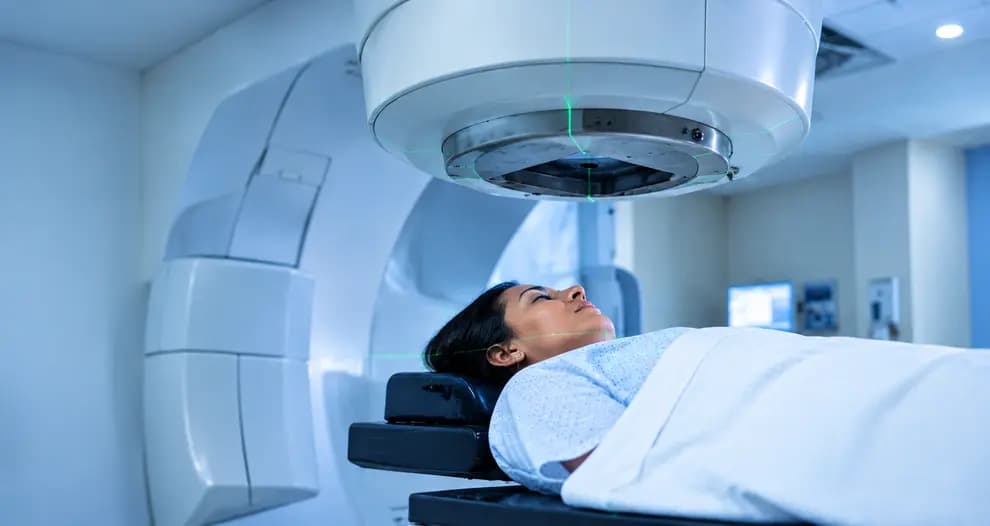
BMH is equipped with PET-CT, MRI, LINAC TrueBeam radiotherapy, brachytherapy, and nuclear medicine imaging, enabling accurate staging, monitoring, and precision treatment delivery.
4. High-capacity critical care and treatment support
With ~500 beds, 100 ICU beds, 16 operation theatres, and dedicated oncology support systems, the hospital can manage complications such as infection, sepsis, and organ stress without referral delays.
5. Continuity from diagnosis to long-term follow-up
BMH integrates diagnostics, systemic therapy, transplant planning, supportive care, and follow-up monitoring, reducing fragmentation and repeated transitions between hospitals.
While choosing the best blood cancer hospital in India, these factors, specialised BMT capability, multidisciplinary planning, advanced diagnostics, and ICU-backed oncology care are what define centres that can manage complex cases with consistency and timely decision-making.
Seek an expert-led evaluation at Baby Memorial Hospital to move from diagnosis to a clear, timely, and coordinated blood cancer treatment plan.
Summing Up
Blood cancer treatment is not a single procedure—it is a series of time-sensitive decisions, from accurate diagnosis and risk classification to selecting the right therapy and managing complications. The best blood cancer hospital in India is one that can deliver this entire pathway without delays, combining diagnostic precision, multidisciplinary planning, advanced treatment options, and continuous supportive care.
Hospitals that offer integrated haemato-oncology, transplant readiness, ICU support, and coordinated follow-up tend to provide more consistent outcomes, especially in complex or high-risk cases. For patients, this means fewer interruptions, better treatment sequencing, and improved recovery stability.