
Cancer care is no longer limited to surgery and chemotherapy, and knowing your options can directly influence outcomes.
Today, advanced treatments like immunotherapy and targeted therapy are improving survival and quality of life, with global cancer cases projected to reach 35 million by 2050, a 77% increase from 2022, highlighting the urgent need for advanced, personalised treatments.
In this guide, you will explore modern cancer treatments, how they work, and how to choose the right approach for better, more informed decisions.
Main Types of Advanced Cancer Treatments Used in Cancer Care Today
Cancer treatment is no longer limited to one standard approach. Today, doctors often combine local treatments that target a specific tumour, such as surgery or radiotherapy, with systemic treatments that work throughout the body, such as chemotherapy, targeted therapy, immunotherapy, or hormone therapy.
To help you understand how each approach works and when it is used, here’s the detailed overview on key advanced cancer treatments doctors rely on today:
1. Surgery
Surgery remains one of the most important cancer treatments, especially when the tumour is still confined to one area. Its main aim is to remove as much of the cancer as possible. In some cases, surgery is the primary treatment.
In others, it is combined with chemotherapy, radiotherapy, or targeted treatment to reduce the risk of recurrence. Modern cancer surgery may also be minimally invasive or robotic, which can improve precision and support faster recovery in selected patients.
2. Radiotherapy
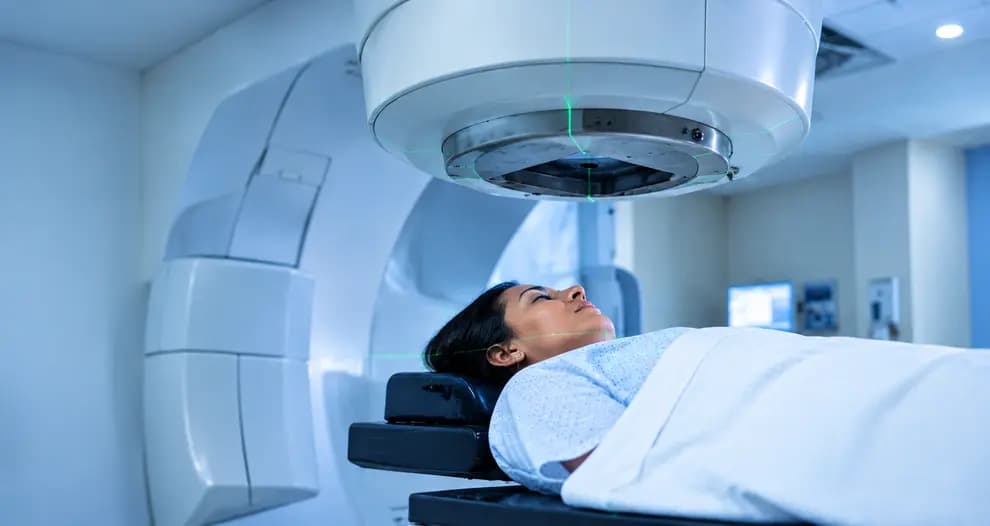
Radiotherapy, also called radiation therapy, uses high doses of radiation to kill cancer cells and shrink tumours. It is a highly targeted treatment, which means it focuses on a defined area rather than the whole body.
Doctors use it before surgery to shrink a tumour, after surgery to destroy remaining cancer cells, or as the main treatment when surgery is not suitable. Advanced radiation techniques can also help reduce damage to nearby healthy tissue. It is commonly used:
- To treat local or regional cancer
- To lower the chance of cancer returning after surgery
- To ease pain or pressure caused by advanced cancer
- To preserve organs in certain cancers instead of major surgery
3. Chemotherapy
Chemotherapy uses drugs to destroy fast-growing cancer cells. Although many people think of it as an older treatment, it is still a core part of modern oncology. It may be given on its own or with surgery, radiotherapy, immunotherapy, or targeted therapy. Because it travels through the bloodstream, it can treat cancer cells that may have spread beyond the original tumour site.
Here’s what makes chemotherapy still important:
- It can treat cancer throughout the body
- It is widely used in blood cancers and many solid tumours
- It may shrink tumours before surgery
- It may reduce recurrence risk after surgery
4. Targeted therapy
Targeted therapy is a key part of precision cancer care. Instead of attacking all fast-growing cells, it blocks specific proteins, receptors (such as HER2), or gene mutations (like EGFR) that drive cancer growth and spread. This is why biomarker or molecular testing is essential before starting treatment.
It is not suitable for every cancer, but when a target is identified, it offers a more precise approach than standard chemotherapy. Targeted therapy is different from other treatments because it:
- Works on specific tumour markers or genetic mutations
- Causes less damage to healthy cells than chemotherapy
- Used only when biomarker testing confirms a target
- Often combined with surgery, radiation, or chemotherapy
5. Immunotherapy
Immunotherapy helps your immune system recognise and attack cancer cells more effectively. It works by overcoming the ways tumours “hide” from immune defences. Common approaches include checkpoint inhibitors (PD-1/PD-L1, CTLA-4) and certain cell-based therapies. It is not suitable for all cancers, but in selected patients, it can deliver durable and long-term responses.
Immunotherapy is considered important because it: Activates your immune system to target cancer cells Used in advanced, metastatic, or recurrent cancers Effective when some standard treatments show limited response Guided by biomarkers such as PD-L1 or MSI status
6. Hormone Therapy
Hormone therapy is used for cancers that rely on hormones to grow, especially breast and prostate cancers. It works by lowering hormone levels or blocking hormone receptors on cancer cells. Depending on the case, it may be used alone or alongside surgery, radiotherapy, or other systemic treatments.
- Here’s where hormone therapy plays a key role in cancer care:
- Hormone receptor-positive breast cancer (ER/PR-positive)
- Prostate cancer (androgen-dependent)
- Long-term disease control in certain patients
- Reducing the risk of recurrence after primary treatment
7. Stem Cell Transplant
Stem cell transplant, also known as a bone marrow transplant, is used mainly in blood cancers such as leukaemia, lymphoma, and multiple myeloma. It is not commonly used for solid tumours. The procedure replaces damaged blood-forming cells after high-dose chemotherapy or radiation, allowing doctors to deliver more intensive treatment safely.
This treatment is considered in specific clinical situations such as:
- High-risk or relapsed leukaemia, lymphoma, or myeloma
- After high-dose chemotherapy to rebuild bone marrow
- When the body cannot produce healthy blood cells
- As part of a specialised haematology-led treatment plan
Now that you understand the main treatment types, it is equally important to know when doctors recommend more advanced, personalised options based on your cancer profile and treatment response.


When Do Doctors Consider Advanced Cancer Treatments?
Advanced treatments are recommended when the cancer’s behaviour, stage, biology, or response to earlier treatment shows that a more precise or specialised approach may offer better results.
In many cases, the decision depends on whether the tumour has specific biomarkers or gene mutations, whether the cancer has come back or spread, or whether standard treatment alone is unlikely to be enough.
Moreover, advanced treatments are commonly considered in these situations:
- When biomarker or molecular testing finds a treatable target
Targeted therapy is usually recommended only when tests show a specific mutation, receptor, or protein that the drug is designed to act on. This is why biomarker testing is now a key part of treatment planning for many cancers.
- When the cancer is advanced, metastatic, or recurrent
Immunotherapy and targeted therapy are often used when cancer has spread, returned after treatment, or is not responding well to standard options. In some cancers, they may also be used earlier as part of the first treatment plan.
- When standard treatment needs to be strengthened or combined
Advanced treatments are not always replacements for surgery, chemotherapy, or radiotherapy. Doctors often add them to a broader treatment plan to improve control, reduce recurrence risk, or maintain remission for longer.
- When the cancer type is known to respond to immune-based treatment
Some cancers are more likely to benefit from immunotherapy, especially when immune-related markers or tumour features suggest a better response.
- When intensive blood cancer treatment requires bone marrow recovery
Stem cell transplant is mainly considered in selected blood cancers, especially after high-dose chemotherapy or in high-risk or relapsed disease, when the bone marrow needs to be restored.
Beyond treatment choices, technology now plays a key role in making cancer care more precise and personalised.
How Technology Is Transforming Cancer Care?
Technology improves cancer care by helping doctors detect cancer earlier, choose the right treatment, and monitor response more accurately. Instead of a general approach, treatment decisions are now guided by imaging, biomarker testing, and advanced treatment systems.
Some important ways in which technology supports cancer treatment are:
-
Advanced imaging (CT, MRI, PET): Helps detect cancer, determine stage, and track treatment response.
-
Biomarker and molecular testing: Identifies gene mutations or proteins to guide targeted therapy and immunotherapy.
-
Robotic and minimally invasive surgery: Improves precision, reduces complications, and supports faster recovery in selected cases.
-
Modern radiation therapy: Targets tumours more accurately while protecting nearby healthy tissue.
-
Treatment monitoring tools: Helps doctors assess effectiveness and adjust treatment early if needed.
Once you understand how treatment is chosen, it also helps to know where that care is delivered, because the right hospital can make a real difference to treatment quality, coordination, and patient support.
Cancer Care at Baby Memorial Hospital: Advanced Treatment with Complete Support Established in 1987, BMH has grown into a multi-specialty tertiary care network with 5 hospitals, 50+ specialties, 1000+ doctors, 1800+ beds, and 1.8+ million patient visits yearly.
Baby Memorial Hospital (BMH), delivers cancer care through its NAVA Cancer Institute, which is built around precision diagnosis, personalised treatment, multidisciplinary planning, and supportive care. The institute brings together medical oncology, surgical oncology, radiation oncology, and nuclear medicine, so your treatment is planned across specialties rather than in isolation.
Here’s what makes BMH’s cancer care more comprehensive:
1. Multidisciplinary cancer treatment under one roof
BMH’s oncology model combines medical, surgical, and radiation oncology with haematology, pathology, imaging, and supportive care, which helps create a coordinated treatment plan for each patient.
2. Advanced infrastructure for cancer diagnosis and treatment
BMH’s oncology services are supported by the Varian TrueBeam system for image-guided radiotherapy, GE Discovery IQ 3-ring PET CT for cancer detection and staging, SPECT CT, and in-house pathology, molecular diagnostics, and radiology support for faster treatment planning.
3. Access to advanced surgical and precision-led care
BMH offers robotic and minimally invasive surgeries using the Da Vinci surgical robot, while its wider infrastructure also includes MAGNETOM Altea MRI and other advanced imaging systems that support more accurate diagnosis and treatment planning.
4. Specialist expertise in complex blood cancers and advanced therapies
BMH’s haemato-oncology services include bone marrow transplantation and expertise in cellular therapies such as CAR T-cell and BiTE therapy, led by specialist haematology and BMT care.
If you are considering advanced cancer treatment, BMH offers personalised care with expert oncology teams and advanced technology for better outcomes.
International patients also receive complete support, from teleconsultation to travel and stay arrangements.