
When you or your loved one is diagnosed with cancer, choosing the right place for treatment can feel overwhelming. One of the most important decisions is selecting a comprehensive cancer care centre. Unlike fragmented care, where you move between different hospitals and specialists, a comprehensive centre brings everything together, accurate diagnosis, multidisciplinary treatment planning, advanced therapies, and follow-up care. This coordinated approach helps avoid delays, reduces confusion, and improves treatment outcomes.
This blog explains what comprehensive cancer care means, the treatments involved, and how Baby Memorial Hospital delivers complete, patient-focused cancer care in Kerala, including support for international patients.
What Defines a Truly Comprehensive Cancer Care Centre?
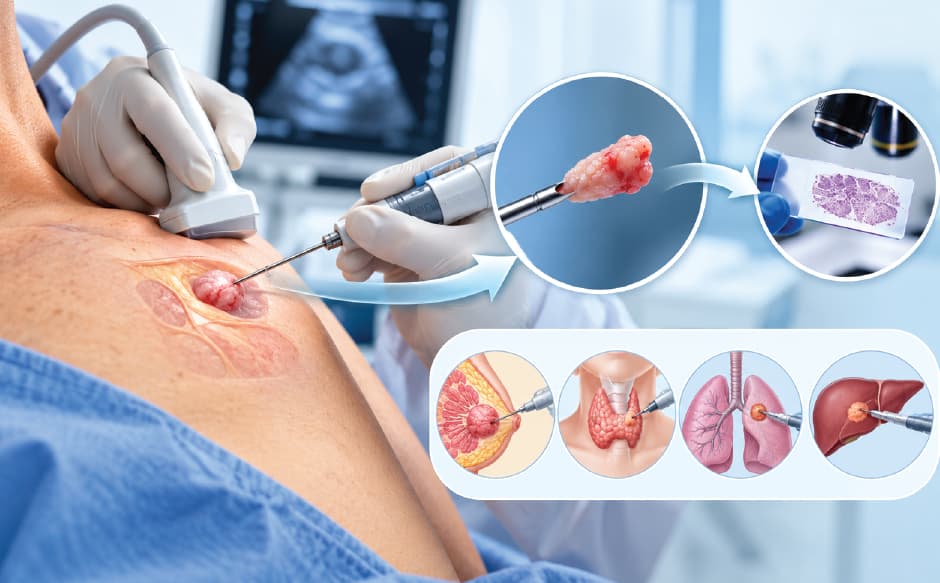
A comprehensive cancer care centre delivers cancer treatment through a single, coordinated system rather than separate, disconnected services. Your diagnosis (imaging, biopsy, pathology) is followed by precise staging, after which a multidisciplinary team, medical, surgical, and radiation oncologists along with radiologists and pathologists reviews your case together. This leads to a unified, evidence-based treatment plan tailored to your cancer type, stage, and overall health.
Instead of moving between centres, you access chemotherapy, surgery, radiation, targeted or immunotherapy, and supportive care in one place. This structure reduces delays, avoids conflicting opinions, and ensures timely transitions between treatments. Continuous monitoring, symptom management, and long-term follow-up are built into the same pathway making your care more accurate, consistent, and outcome-focused.
From the moment your diagnosis is confirmed, every decision is structured, evidence-based, and aligned across specialists to avoid delays, duplication of tests, or gaps in care.
Once you understand what comprehensive cancer care means, the next step is seeing how that level of coordination is actually delivered in a real hospital setting.
How Baby Memorial Hospital Delivers Complete Cancer Care in Kerala
At Baby Memorial Hospital, cancer care is structured as a connected treatment pathway rather than a series of separate appointments. At its Kozhikode centre, BMH has strengthened its oncology offering through the NAVA Cancer Institute, launched in February 2026, while also linking oncology services with its broader multi-specialty infrastructure. This matters because cancer treatment often needs more than one department at the same time imaging, pathology, surgery, medical oncology, critical care, and follow-up all need to work in sequence, without gaps.
What makes BMH’s cancer care model more complete:
-
Multi-layered oncology care under one system: BMH’s ecosystem includes medical oncology services such as chemotherapy and targeted therapy, along with haematology, haemato-oncology, and bone marrow transplant care for blood cancers and complex haematological conditions.
-
Specialist depth beyond general oncology: Its clinician profiles show expertise that extends into endocrine oncology, breast surgery, blood cancers, bone marrow transplantation, and cellular therapies such as CAR T-cell and BiTE-based treatment pathways for selected cases.
-
Advanced treatment planning support: BMH positions oncology within a larger tertiary-care framework with radiology, nuclear medicine, and super-specialty services, which is important when treatment decisions depend on accurate staging, repeated assessment, or multi-specialty intervention.
-
Built-in support for international patients: BMH’s International Patients Desk assists with report review, treatment planning, cost estimates, visa documentation, airport pickup, accommodation, interpreter support, and follow-up care, helping overseas patients plan treatment before they travel and manage logistics after arrival.
Once you know how BMH structures cancer care, it becomes easier to understand the key treatments available within that system.
Cancer Treatments Available at Baby Memorial Hospital
At Baby Memorial Hospital, cancer treatment is delivered through four core oncology specialties that work in coordination, not isolation. This allows your treatment to be planned based on tumour biology, stage, and response rather than a fixed or one-size approach.
Medical Oncology
BMH’s medical oncology team manages treatments that target cancer at a systemic level, especially when the disease has spread or carries a high risk of recurrence. Treatment protocols are not standardised, they are selected based on tumour markers, genetic profiling (where applicable), and disease progression patterns.
- Chemotherapy, targeted therapy, immunotherapy, and hormonal therapy are used individually or in combination
- Day-care chemotherapy units enable monitored drug delivery with real-time toxicity management
- Treatment cycles are adjusted based on interim response assessment using imaging and lab markers
- Supportive care (anti-nausea, infection control, nutrition) is integrated to maintain treatment continuity
Surgical Oncology
Surgical oncology at BMH is not limited to tumour removal—it plays a critical role in diagnosis, staging, and overall treatment sequencing. Surgeries are planned in coordination with oncology teams to ensure they fit into the broader treatment pathway.
- Robotic and minimally invasive surgeries using the Da Vinci Xi system allow precision in complex cases
- Procedures are planned to balance complete tumour removal with organ and function preservation
- In selected cases, surgery is preceded (neoadjuvant) or followed (adjuvant) by systemic therapy
- Intraoperative decision-making is supported by imaging and pathology inputs.
Radiation Oncology
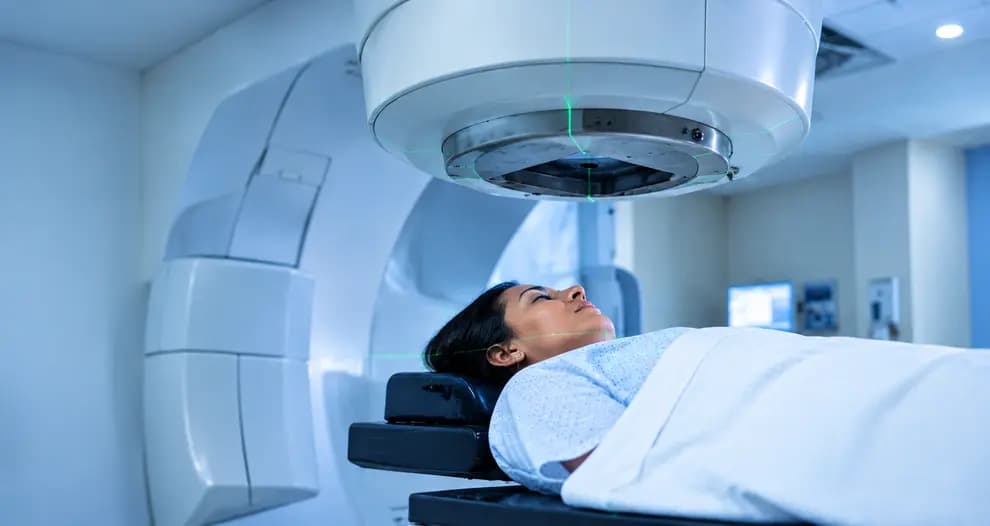
BMH’s radiation oncology uses advanced planning systems to deliver high-dose radiation directly to tumour sites while minimising exposure to surrounding healthy tissue. This is critical in cancers where surgical removal is not possible or needs to be complemented.
- TrueBeam LINAC technology enables highly targeted, image-guided radiation therapy
- Treatment plans are customised based on tumour size, location, and nearby critical structures
- Used as primary treatment, post-surgery (adjuvant), or alongside chemotherapy (concurrent therapy)
- Also applied in palliative settings for symptom control (pain, bleeding, obstruction)
Haemato-Oncology
BMH’s haemato-oncology services focus on cancers of the blood, bone marrow, and lymphatic system, where treatment requires a different level of clinical monitoring and supportive care.
- Management of leukaemia, lymphoma, and myeloma using chemotherapy, targeted agents, and immunotherapy
- Bone marrow and stem cell transplantation support with pre- and post-transplant protocols
- Strict infection control and isolation care due to immunocompromised patient status
- Continuous monitoring of blood parameters and treatment response to guide therapy adjustments
The next step is deciding which treatment is right, and when to use it.
The Multidiscplinary Approach: How Cancer Treatment Decisions Are Planned at Baby Memorial Hospital


tumour board, where all critical clinical inputs imaging, biopsy, pathology, and staging are reviewed together before any treatment begins. This ensures decisions are based on disease behaviour and clinical evidence, not individual preference.
Here's how this decision-making works in practice:
Diagnosis and staging drive the plan
Treatment starts only after confirming tumour type, stage, grade, and key biological markers. These factors directly determine whether the first step should be surgery, systemic therapy, radiation, or a combined approach.
Joint review by multiple specialists
Medical, surgical, and radiation oncologists, along with radiologists and pathologists, evaluate the case together. This avoids single-specialty bias and ensures all treatment options are considered simultaneously.
Treatment sequencing is planned upfront
The team defines not just what treatment is needed, but when. For example, whether chemotherapy should precede surgery (neoadjuvant), follow it (adjuvant), or be combined with radiation depends on tumour response patterns and clinical goals.
Patient-specific factors are integrated
Age, comorbidities, organ function, and treatment tolerance are factored into the plan, ensuring it is clinically appropriate and sustainable through the full treatment cycle.
Now, let’s look at the advanced treatments available at BMH.
Advanced Cancer Treatments Available at BMH
At Baby Memorial Hospital, advanced cancer treatment is not presented as a separate add-on. It is built into the hospital’s broader oncology system through medical oncology, radiation oncology, robotic surgery, nuclear medicine, and haemato-oncology with bone marrow transplant support.
1. Targeted Therapy and Immunotherapy
At BMH, targeted therapy and immunotherapy are used when the cancer’s molecular or genetic profile suggests that a more precise drug-based approach may work better than standard chemotherapy alone. Instead of broadly attacking fast-growing cells, these treatments are selected to act on specific tumour pathways or immune responses. This makes them especially relevant in cancers where treatment needs to be more personalised, biology-led, and response-specific.
2. Precision Radiation Therapy with TrueBeam
BMH uses the Varian TrueBeam platform for cancers that need highly accurate radiation delivery. This system supports image-guided radiotherapy with detailed 3D imaging, which helps oncologists target the tumour more precisely while limiting exposure to nearby healthy tissue. This is particularly important when the tumour is close to critical organs or when radiation needs to be safely combined with surgery or chemotherapy. BMH also offers brachytherapy for selected cancers requiring more localised internal radiation.
3. Robotic and Minimally Invasive Cancer Surgery
BMH’s Da Vinci robotic surgery platform adds greater precision to selected cancer surgeries, especially in anatomically complex areas where controlled movement and better visual access matter. In oncology, this can support more precise tumour removal while reducing tissue trauma, blood loss, and incision size where feasible. Its value lies in expanding surgical options within a multidisciplinary treatment plan, rather than replacing conventional surgery in every case.
4. Bone Marrow and Stem Cell Transplantation
BMH’s haemato-oncology and bone marrow transplant programme supports advanced treatment for blood cancers and related disorders, including high-risk leukaemia, aplastic anaemia, and certain genetic blood conditions. The hospital offers autologous, allogeneic, and haploidentical transplants, along with donor matching pathways, dedicated inpatient care, and transplant counselling. This allows BMH to manage cases that require curative-intent transplant-based treatment, not just systemic drug therapy.
5. PET-CT, Oncopathology, and Treatment-Response Monitoring
Advanced treatment depends on accurate staging and continuous reassessment, not just the therapy itself. BMH’s oncology infrastructure includes PET-CT, oncopathology, immunohistochemistry, biopsy services, and tumour marker evaluation, which help define disease extent and guide treatment choice more precisely. These tools are also critical during treatment, as they help assess response, detect progression early, and support timely modifications to the care plan.
Getting the right treatment is essential, but international patients also need support to plan and manage care smoothly.
International Patient Services at Baby Memorial Hospital
At Baby Memorial Hospital, international patient support is organised as a practical service pathway, not just a contact desk. The hospital’s International Patient Services team states that it helps overseas patients from the pre-travel stage itself by coordinating medical record review, treatment planning, cost estimates, visa documentation, airport pickup, accommodation support, interpreter assistance, and follow-up care.
Here's everything an international patients can expect at BMH:
- Pre-arrival case review and treatment planning: BMH asks international patients to share their medical reports first, after which specialists review the case and provide a treatment plan with cost estimates. This helps you understand the likely treatment pathway before making travel decisions.
- Visa and travel coordination: The hospital says its team assists with visa documentation and travel-related guidance, which can make the process smoother for patients travelling specifically for medical care.
- Airport pickup and accommodation support: BMH also lists airport pickup and accommodation assistance as part of its international patient services, helping patients and families manage arrival and stay logistics more comfortably.
- Interpreter support and follow-up care: For patients coming from outside India, language support and follow-up coordination are included in the hospital’s stated service model, which is useful when treatment involves multiple visits, ongoing monitoring, or post-treatment review.
What Makes Baby Memorial Hospital a Trusted Choice for Cancer Care in Kerala
Baby Memorial Hospital stands out not because it offers one cancer service, but because it combines specialist-led oncology care, advanced treatment technology, and international patient coordination within a larger tertiary-care hospital system.
At its Kozhikode centre, BMH’s NAVA Cancer Institute brings together medical oncology, surgical oncology, radiation oncology, nuclear medicine, paediatric oncology, and haemato-oncology with bone marrow transplant support, allowing treatment to be planned and delivered within one connected framework.
Patients choose BMH for cancer treatment because of the following reasons:
Comprehensive Oncology Under One System
BMH’s cancer care is built across multiple oncology specialties rather than a single treatment unit. Its published services include medical oncology, surgical oncology, radiation oncology, nuclear medicine, paediatric oncology, and haemato-oncology/BMT, which matters when treatment requires accurate staging, combination therapy, and specialist coordination over time.
Advanced Technology That Supports Treatment Precision
BMH highlights infrastructure such as the TrueBeam platform for image-guided radiation and the Da Vinci surgical robot for minimally invasive robotic surgery. Its Kozhikode hospital page also states that oncology services are powered by LINAC True Beam and brachytherapy, supporting more precise local treatment in selected cancer cases.
Access to Advanced and Specialised Therapies
Through its oncology and haemato-oncology services, BMH offers chemotherapy, immunotherapy, targeted therapy, and bone marrow or stem cell transplantation. The hospital specifically notes transplant-based treatment for high-risk leukaemia, aplastic anaemia, and genetic blood disorders, supported by dedicated day-care chemotherapy, inpatient facilities, and pre- and post-transplant counselling.
A More Structured Patient Journey
NAVA Cancer Institute describes its model around precision diagnosis, personalised treatment, tumour-board collaboration, survivorship support, and holistic care including nutrition, pain, rehabilitation, and emotional well-being. This is important because cancer care often depends not just on treatment availability, but on how well each stage is connected.
Stronger Support for International Patients
BMH’s International Patient Services team supports overseas patients with report review, treatment planning, cost estimates, visa invitation, airport pickup and drop, accommodation assistance, language support, insurance processing, and online follow-up consultations. For patients travelling across borders, this reduces logistical stress around treatment.
When you are making a decision about cancer treatment, having the right team and a clear, structured plan can make a real difference to your experience and outcomes.
At Baby Memorial Hospital, you get access to coordinated care, advanced treatments, and dedicated support throughout your journey.
Talk to a Cancer Specialist at BMH
Conclusion
Cancer treatment has evolved from single-specialty interventions toward integrated, evidence-based comprehensive approaches addressing patients' complete medical and supportive needs. Baby Memorial Hospital's comprehensive cancer care center in Kerala embodies this contemporary paradigm, bringing together surgical expertise, medical oncology sophistication, radiation precision, and supportive services within a coordinated infrastructure.
For patients navigating cancer diagnosis and treatment, access to facilities combining clinical depth with modern technology, affordability with quality standards, and technical expertise with compassionate care represents a significant advantage. The evidence clearly demonstrates that centralized, comprehensive cancer centers with multi-disciplinary teams and advanced treatment modalities deliver superior coordination and outcomes compared to fragmented care models.
Take the next step with confidence and consider consulting BMH’s oncology specialists for guidance.