
You slept eight hours, yet you wake up feeling as if you never rested. A short walk feels like climbing a hill. If you or someone you love is living with cancer, this may sound familiar, and it is easy to dismiss as "just being tired". It is not.
According to the National Cancer Institute, more than 80% of people receiving chemotherapy or radiation therapy experience fatigue. Doctors call this cancer-related fatigue, and it behaves very differently from the tiredness we all feel after a long day.
This guide explains how cancer fatigue is different from normal tiredness, why it happens, which warning signs need attention, and what actually helps.
What Is Cancer Fatigue and How It Differs from Normal Tiredness
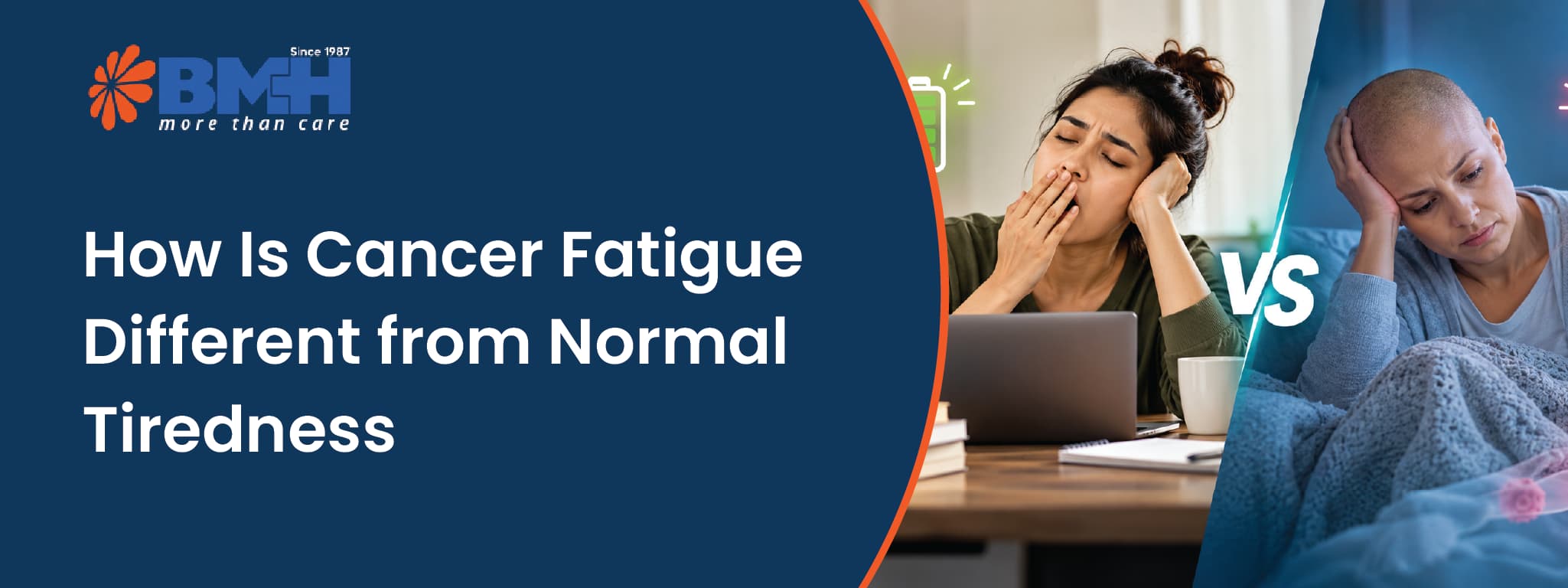
Cancer fatigue is an overwhelming, persistent sense of tiredness that does not improve with rest or sleep. Unlike normal fatigue, which typically resolves after a good night's sleep or a day of rest, cancer-related fatigue lingers despite adequate rest and may worsen as treatment progresses. This condition is caused by the cancer itself, the stress of treatment, or both working together.
Normal tiredness is your body's response to physical exertion, stress, or insufficient sleep. You recover from it relatively quickly. Cancer fatigue, by contrast, is often described by patients as a deep exhaustion that affects their ability to concentrate, exercise, or engage in hobbies they once enjoyed. It can appear suddenly and may fluctuate throughout the day, making it unpredictable and difficult to manage without professional guidance.
The distinction matters because cancer fatigue requires targeted management strategies, rest alone does not resolve it. Recognizing this difference ensures you do not dismiss the symptom or blame yourself for lack of willpower or effort.
What Does Cancer Fatigue Feel Like?
Patients describe it in many ways. Common signs include:
- Heavy body: arms and legs feel weighed down, even after a full night in bed.
- Crashing suddenly: you feel fine, then run out of energy within minutes.
- Unrefreshing sleep: you sleep long hours but wake up unrested.
- Foggy thinking: trouble concentrating, finding words or remembering.
- Emotional flatness: feeling low, anxious or uninterested in things you usually enjoy.
- Loss of stamina: tasks that took ten minutes now need a rest in between.
The National Cancer Institute also notes that low mood can look like fatigue. Depression is more serious than feeling down at times, so tell your care team if sadness or hopelessness is part of the picture.
Why Cancer Causes Severe Fatigue
Cancer fatigue stems from several interconnected biological and psychological processes. The cancer cells themselves produce substances that trigger inflammation throughout your body, which drains your energy reserves. Chemotherapy, radiation, immunotherapy, and hormone therapy all demand enormous energy as your immune system works to fight cancer and repair healthy cells damaged during treatment.
Anemia, a low red blood cell count, often develops during cancer treatment, reducing your blood's ability to carry oxygen to tissues and muscles. This oxygen deficit amplifies fatigue significantly. Additionally, cancer treatment disrupts sleep patterns and causes pain, anxiety, or depression, which compound exhaustion. Nutritional deficiencies, dehydration, and hormonal imbalances further contribute to the problem.
Psychological factors also play a role. The emotional toll of a cancer diagnosis, fear about treatment outcomes, and the stress of frequent hospital visits deplete mental and physical reserves. According to the National Comprehensive Cancer Network, cancer-related fatigue is multifactorial and should be assessed and managed as part of comprehensive cancer care. Understanding these causes helps you and your care team develop a realistic, multi-pronged approach to management.
Key Differences Between Cancer Fatigue and Normal Tiredness
The table below highlights the main distinctions to help you identify cancer-related fatigue:
| Aspect | Normal Tiredness | Cancer Fatigue |
|---|---|---|
| Onset | Gradual, after activity or poor sleep | Sudden or insidious, often without cause |
| Relief | Improves with rest or sleep | Persists despite rest and sleep |
| Severity | Mild to moderate | Severe, interferes with daily life |
| Duration | Hours to days | Weeks to months |
| Emotional impact | Minimal | Often accompanied by mood changes, anxiety |
| Response to activity | Resolves with recovery | Worsened by exertion; may take days to recover |
| Associated symptoms | Rare | Often paired with pain, brain fog, weakness |
Patients often describe cancer fatigue as a heaviness in their limbs, mental fog, or the sensation of running on an empty battery no matter how much they sleep. Normal tiredness does not typically create this constellation of symptoms. If you experience profound exhaustion that interferes with your ability to work, care for yourself, or enjoy time with loved ones, discuss it with your oncology team at your next appointment.


When Should You Report Cancer Fatigue to Your Doctor
You should inform your oncologist about cancer-related fatigue as soon as you notice it, even if it seems minor. Early reporting allows your care team to assess severity, rule out treatable causes like anemia or hypothyroidism, and develop a management plan tailored to your needs.
Seek immediate attention if fatigue is accompanied by shortness of breath, chest pain, severe weakness, or fainting, as these may signal a medical emergency requiring urgent evaluation. Report fatigue that worsens rapidly, prevents you from taking medication or attending treatment, or coincides with new pain or fever.
During your visit, describe your fatigue in detail:
- When does it occur (morning, evening, all day)?
- How does it affect your daily tasks?
- Does rest help?
- What makes it worse?
This information helps your oncologist determine whether fatigue relates to treatment side effects, disease progression, nutritional deficiency, or emotional distress. Based on your assessment, your team may recommend blood work, adjust your treatment schedule, prescribe medications, or refer you to supportive care specialists such as nutritionists, counselors, or physiotherapists.
Practical Ways to Manage Cancer-Related Fatigue
Managing cancer fatigue requires a multifaceted approach combining medical intervention, lifestyle adjustments, and emotional support. Here are evidence-based strategies recommended by The American Cancer Society:
Medical approaches: Your doctor may prescribe medications to boost energy, treat underlying anemia, manage pain, or improve sleep quality. Nutritional support addresses deficiencies that worsen fatigue. Blood work can identify correctable causes like vitamin B12 deficiency or thyroid dysfunction.
Physical activity: Gentle, consistent exercise, such as walking, yoga, or swimming, improves energy levels and mood when done at your tolerance. Even short 10-15 minute sessions help. Always consult your oncology team before starting a new exercise program.
Sleep and rest: Maintain a consistent sleep schedule, create a dark quiet bedroom, and limit screens before bed. Rest is important, but excessive bed rest can paradoxically worsen fatigue over time.
Nutrition: Eat frequent, balanced small meals rich in protein and whole grains. Stay hydrated. Avoid excessive sugar and caffeine, which can destabilize energy.
Also Read: How Your Daily Lifestyle Changes Can Reduce Cancer Risk: A Practical Guide
Emotional support: Counseling, support groups, and mindfulness practices reduce anxiety and depression that amplify fatigue. Spending time with loved ones and pursuing meaningful activities within your energy limits also helps.
Pacing: Prioritize essential tasks and delegate when possible. Break activities into smaller steps with rest intervals.
How Doctors Measure Cancer Fatigue, and a Simple Diary You Can Use
Fatigue is a personal experience, so it is measured by asking you. A 10-point numerical scale is a very efficient screening tool. You rate your fatigue from 0 (none) to 10 (worst you can imagine). A common way to read the score is 0 to 3 as mild, 4 to 6 as moderate and 7 to 10 as severe.
Doctors also check how much fatigue limits your daily activities, and may use forms such as the Brief Fatigue Inventory. Try this one-week diary and bring it to your appointment. It shows patterns your doctor cannot see in a 15-minute visit.
| Date | Fatigue (0 to 10) | Worst time of day | Sleep (hours, quality) | What I did | Treatment or medicine today | Mood |
|---|---|---|---|---|---|---|
| Example: Day 3 after chemo | 7 | Afternoon | 8 hrs, woke often | Short walk, 10 min | Chemo cycle 2, day 3 | Low |
The example row is illustrative only.
How BMH Approaches Fatigue and Supportive Cancer Care
Fatigue is rarely fixed by one department. It needs a team that looks at the whole person. At Baby Memorial Hospital, Kozhikode, the NAVA Cancer Institute brings together medical, surgical and radiation oncology, nuclear medicine, paediatric oncology and haemato-oncology with bone marrow transplant support, so treatment can be planned in one connected system.
Here is what that means for a patient dealing with fatigue:
-
Treatment planned around tolerance. BMH states that age, other illnesses, organ function and how well you tolerate treatment are considered when the plan is made, and that doses are tailored and side effects anticipated.
-
Joint decisions. A tumour board of medical, surgical and radiation oncologists, radiologists and pathologists reviews each case together, which helps avoid unnecessary or badly timed treatment.
-
Monitoring that catches fixable causes. PET-CT, oncopathology, tumour marker tests and regular lab monitoring are used to track response, and the same lab tracking supports checks such as blood counts.
-
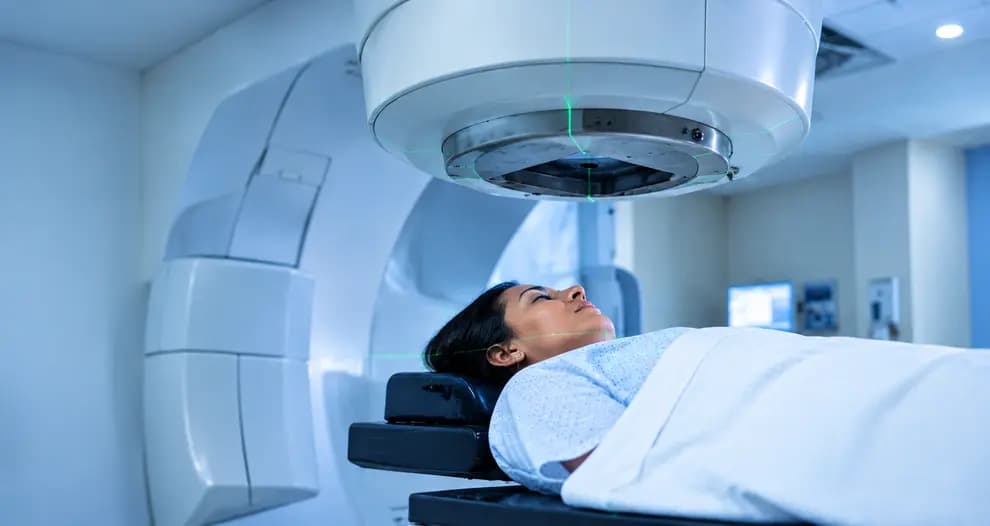
Precision radiation and minimally invasive surgery. BMH uses the TrueBeam image-guided system to target tumours while limiting exposure to nearby healthy tissue, and robotic (Da Vinci Xi) surgery in selected cases, where feasible, to reduce tissue trauma.
-
Day-care chemotherapy. Monitored day-care units let many patients receive treatment and rest at home.
-
Whole-person support. BMH lists pain management, nutritional support, psychological counselling and patient education as part of cancer care, which map directly to the pain, mood, sleep and nutrition factors behind fatigue. Surgical oncology adds rehabilitation and palliative support after surgery.
Conclusion
Cancer fatigue is not ordinary tiredness. It lingers after rest, hits without warning, affects mind and mood, and can last long after treatment. The most important step is to name it, track it and tell your care team early, because many of its causes, such as anaemia, poor sleep, pain and low mood, can be treated. Gentle movement, pacing, good nutrition and emotional support all have evidence behind them. If you would like a specialist review of your treatment plan or fatigue, the oncology team at BMH Kozhikode is available for in-person and online consultations.
Have questions about fatigue, your treatment plan or cost? Chat with the BMH Medical Assistant, free and online, to find the right oncology specialist or book a consultation.
Medical Disclaimer: This article is for general education and is not a substitute for professional medical advice, diagnosis or treatment. Cancer care is individual. Always consult a qualified oncologist or healthcare provider about your symptoms and treatment options, and seek emergency care for severe or sudden symptoms.