
After months or years of cancer treatment, hearing the word 'remission' brings relief and hope to patients and families alike. Yet many people aren't sure what remission actually means, or how it differs from being cured. This guide cuts through the confusion and helps you understand remission, recurrence, and what to expect during your recovery journey.
This guide breaks down what remission actually means, what counts as a recurrence, why cancer can return even after clear scans, and what survivorship monitoring should realistically look like, including how NAVA Cancer Institute at Baby Memorial Hospital (BMH), Kozhikode, approaches this stage of care.
What Does Cancer Remission Actually Mean?
Remission means the signs and symptoms of your cancer have reduced or disappeared after treatment. It does not mean every cancer cell in your body is gone, it means that on current tests (imaging, blood work, physical examination), doctors cannot detect active disease, or the disease has measurably shrunk.
Complete Remission vs Partial Remission
Complete remission means all detectable signs, symptoms, and traces of cancer are gone on scans and tests. Partial remission means the tumour has measurably shrunk or symptoms have reduced, but disease is still present.
Which one a person reaches often depends on the cancer type and the stage at diagnosis, earlier-stage, localised cancers reach complete remission more often than advanced or metastatic disease.
Remission Is Not the Same as Cure
Many patients treat remission as the finish line. It isn't quite. Only after roughly five years of sustained complete remission do most oncologists begin using the word “cured”
Even then, a small number of cancer cells may still be dormant in the body. This is precisely why the distinction between remission and recurrence carries so much weight for how follow-up care is planned.
What Is Cancer Recurrence?
Recurrence is what happens when cancer that was previously in remission becomes active again, detectable on scans, blood tests, or through new symptoms. It happens when a small number of cancer cells survive the original treatment undetected, then over months or years regrow to a size or activity level that shows up on monitoring.
Recurrence is not automatically a sign that treatment failed, some patients move through more than one cycle of remission and recurrence over the course of their cancer journey, with the goal each time being to bring the disease back under control.
Types of Recurrence: Local, Regional, and Distant
- Local recurrence: cancer reappears in the same place as the original tumour, for example, near the site of a prior lumpectomy or prostatectomy.
- Regional recurrence: cancer resurfaces in nearby lymph nodes or tissue close to the original site.
- Distant recurrence: cancer is found in an organ or tissue away from the original site, sometimes described as metastatic recurrence.
Recurrence vs Relapse vs Second Cancer
“Relapse” and “recurrence” are often used interchangeably by patients, but some clinical literature draws a technical line: a relapse describes symptoms returning after any symptom-free interval, while a true recurrence, sometimes distinguished from “recidivation” in oncology journals, specifically follows a complete remission of more than five years, after the disease was considered curatively treated.
In everyday patient conversations, both terms usually mean the same thing: the original cancer is active again. A “second cancer,” on the other hand, is a completely new and unrelated cancer, sometimes in a different organ altogether, it is not counted as a recurrence, even in someone with a cancer history
Cancer Remission vs Recurrence: At a Glance
| Aspect | Remission | Recurrence |
|---|---|---|
| Definition | Signs and symptoms of cancer reduce or disappear after treatment | Cancer becomes detectable again after a period of remission |
| Common types | Complete remission, partial remission | Local, regional, distant recurrence |
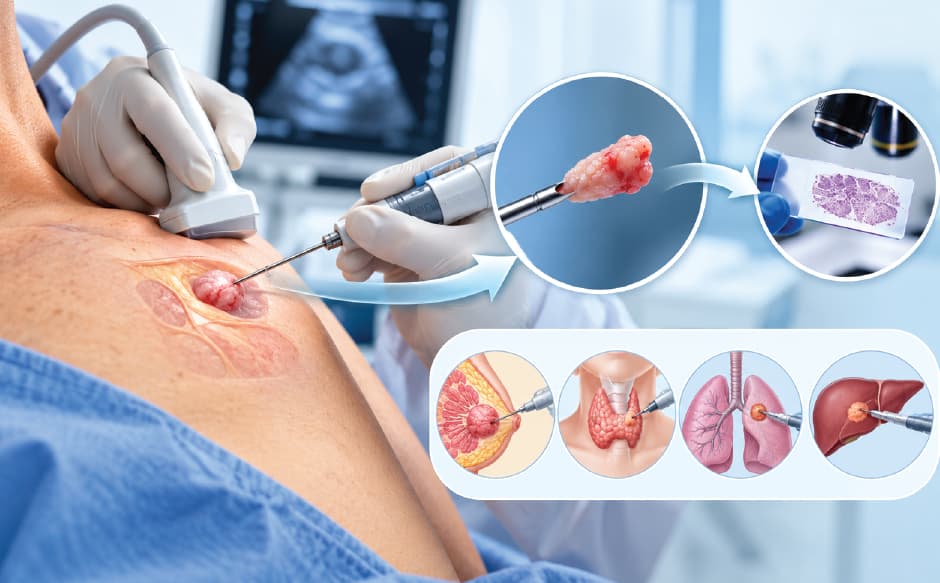
| Confirmed by | Imaging, blood tests, and physical exam showing no or reduced disease | New imaging findings, biopsy, or rising tumour-marker levels |
| Typical timing | Can begin during or soon after treatment | Can occur months to many years after remission began |
| Effect on treatment | Active treatment often pauses; shifts to surveillance | A new treatment plan is usually built around the original cancer type and site |
Why Cancer Returns After Remission: The Biology Explained
Even the most sensitive scans can only detect tumours once they reach a certain size, typically a few millimetres, and blood tests for tumour markers only flag cancer once levels cross a threshold. Below that, cancer cells can persist in the body in a dormant or slow-growing state for years, undetected by any current technology. Oncologists refer to this as minimal residual disease.
The numbers show how real this risk is, even for cancers with strong initial outcomes. According to the Breast Cancer Research Foundation, early-stage breast cancer carries a local recurrence rate of 5 to 10 percent within the first five years after standard treatment, while distant (metastatic) recurrence ranges from 10 to 30 percent depending on the cancer subtype.
Triple-negative and inflammatory breast cancers carry the highest recurrence risk, typically within the first three to five years, after which the risk drops meaningfully. This is exactly why oncologists don't discharge patients the day scans come back clear, they build a structured surveillance calendar around each patient's specific recurrence-risk profile.
Also Read: When to See an Oncologist: Signs, Symptoms, and Screening


Warning Signs You Shouldn't Ignore During Remission
Symptoms vary by cancer type, but several patterns are worth flagging to your oncology team promptly rather than waiting for your next scheduled visit:
-
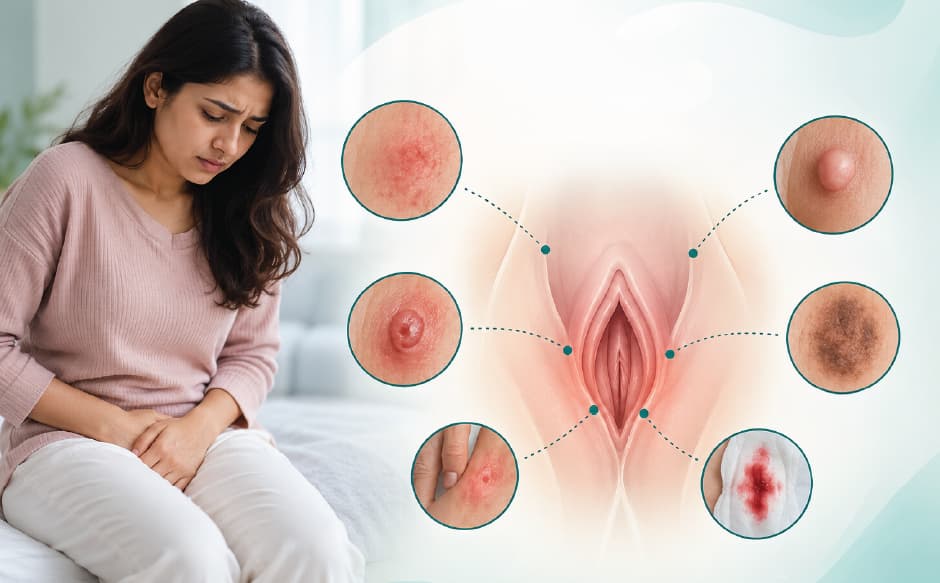
A new lump, swelling, or thickening, especially near the original tumour site
-
Unexplained pain that persists or worsens, particularly bone, chest, or abdominal pain
-
Unusual bleeding, discharge, or changes in bowel or bladder habits
-
Persistent fatigue that doesn't improve with rest
-
Unexplained weight loss or loss of appetite
-
Any symptom that mirrors what you experienced at your original diagnosis
How Doctors Monitor for Recurrence
Survivorship monitoring typically combines three tools, scheduled more frequently in the first two years and gradually spaced out through year five:
-
Physical examinations at each follow-up visit, checking the original tumour site and nearby lymph nodes.
-
Imaging such as CT, MRI, or PET-CT scans, ordered based on cancer type and initial stage.
-
Tumour-marker blood tests, for example, PSA for prostate cancer or CEA for colorectal cancer, used alongside, not instead of, imaging and exams
A typical cadence is every 3 to 6 months for the first two years, then every 6 to 12 months through year five, though this varies significantly by cancer type and individual risk.
Also Read: Recommended Cancer Screening Tests for Every Adults
What Influences Your Risk of Recurrence
No two patients carry the same recurrence risk. The main factors your oncology team weighs include:
-
Cancer type, stage, and grade at original diagnosis
-
Tumour biology, receptor status, genetic markers, and how aggressively the cancer behaved
-
Whether lymph nodes were involved and how completely the original tumour was removed or treated
-
Lifestyle factors such as tobacco and alcohol use, body weight, and physical activity
-
How closely follow-up screening guidelines are actually followed after treatment ends
Also Read: How Your Daily Lifestyle Changes Can Reduce Cancer Risk: A Practical Guide
Let's Talk About Cancer Care in Kerala And Why NAVA Cancer Institute at BMH Comes Up So Often
If you've spent any time researching cancer treatment in North Kerala, you've probably come across NAVA Cancer Institute at , Baby Memorial Hospital (BMH), Kozhikode more than once. Here's the honest context behind that.
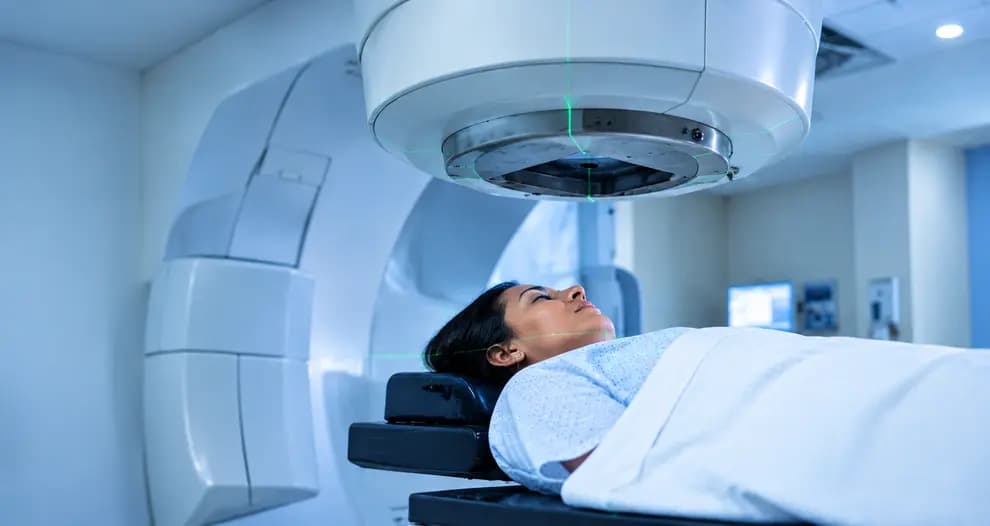
NAVA Cancer Institute was built to close when it launched at BMH's Kozhikode campus in February 2026. Instead of sending patients between separate centres for surgery, radiation, chemotherapy, and imaging, BMH brought medical oncology, surgical oncology, radiation oncology, nuclear medicine, haemato-oncology, and paediatric oncology into one connected system, supported by technology such as TrueBeam image-guided radiotherapy, GammaMedplus iX brachytherapy, PET-CT, and Da Vinci robotic surgery.
Why does this matter for someone specifically researching remission and recurrence? Because the ongoing surveillance described earlier in this guide, the blood work, imaging, and follow-up visits, works best when it happens within one connected medical record and one care team that already knows your case, rather than scattered across multiple hospitals.
NAVA Cancer Institute's model is built around that continuity: your original oncologist, your imaging team, and your long-term follow-up sit within the same institution.
BMH has also built its cancer programme to be accessible rather than exclusive. The hospital has served patients in North Kerala for over 38 years, and it treats both domestic and international patients, including a steady flow from Gulf countries, with transparent, cost-effective pricing and dedicated case coordination for anyone travelling from outside the state or country.
None of this means BMH is the right fit for every patient, and no responsible article should claim that it is. But for patients and families in North Kerala evaluating where to seek a second opinion, begin treatment, or set up long-term recurrence monitoring, NAVA Cancer Institute at BMH is a well-equipped option worth having on your shortlist.
Living Well Between Remission and Recurrence: A Survivorship Checklist
- Keep every scheduled follow-up appointment, even when you feel completely well
- Track and report new or unusual symptoms promptly rather than waiting for your next visit
- Maintain a balanced diet, regular physical activity, and a healthy body weight where possible
- Limit tobacco and alcohol use, both linked to higher recurrence risk across several cancer types
- Seek counselling or a survivor support group if fear of recurrence is affecting daily life, this is a common and valid experience, not a personal failing
- Keep copies of your treatment summary and surveillance schedule so any new doctor can pick up your case quickly.
When to Contact Your Oncologist Immediately
Don't wait for your next scheduled appointment if you notice: a new lump or swelling, unexplained and persistent pain, sudden unexplained weight loss, new or worsening breathlessness, unusual bleeding, or any symptom that closely resembles your original diagnosis. Early-caught recurrence is consistently easier to treat than recurrence found late, which is the single biggest reason surveillance visits matter as much as the original treatment did.
Conclusion
Remission and recurrence describe two different points on the same road, not opposite outcomes. Remission tells you that current tests can't find active disease; recurrence tells you the disease has become detectable again after that point.
Neither term is a guarantee, and neither is something to fear into inaction, they're signals that shape what surveillance and care should look like next. The single most protective habit a survivor can build isn't a supplement or a lifestyle hack; it's showing up for every scheduled follow-up test and reporting new symptoms without delay.
If you or a family member is navigating this stage of a cancer journey in North Kerala, NAVA Cancer Institute at BMH, Kozhikode, offers coordinated survivorship monitoring alongside its full oncology programme, a conversation worth having with your care team either way.
If you have a recent scan, blood report, or follow-up question you'd like help understanding, chat with our care assistant on Whatsapp today!
Medical Disclaimer This article is intended for general educational purposes only and does not constitute medical advice, diagnosis, or treatment recommendations. Cancer remission and recurrence risk vary significantly from person to person based on cancer type, stage, treatment history, and individual health factors. Always consult a qualified oncologist or healthcare provider for guidance specific to your medical situation before making any treatment or follow-up decisions.