
When cancer care becomes both urgent and expensive, knowing where to seek treatment can make a real difference.
India reports over 1.32 million new cancer cases annually (WHO data) and is rapidly expanding its oncology infrastructure . At the same time, over 600,000 international patients travel to India each year for treatment.
In this guide, you will explore available treatments, detailed costs, how to choose the right hospital, and the complete journey of cancer treatment in India as an international patient.
Why Do International Patients Choose India for Cancer Treatment?
International patients usually do not choose a cancer treatment destination for one reason alone. They look at the full picture: treatment availability, specialist access, travel support, cost planning, and how quickly care can begin. India stands out because it combines all of these in one ecosystem.
The country has a large oncology care network, growing medical value travel support, and a high-volume cancer care environment that gives patients access to experienced specialists and multidisciplinary treatment planning.
Below are the points explaining what makes India a strong option for international cancer patients:
1. India offers the full range of modern cancer treatment
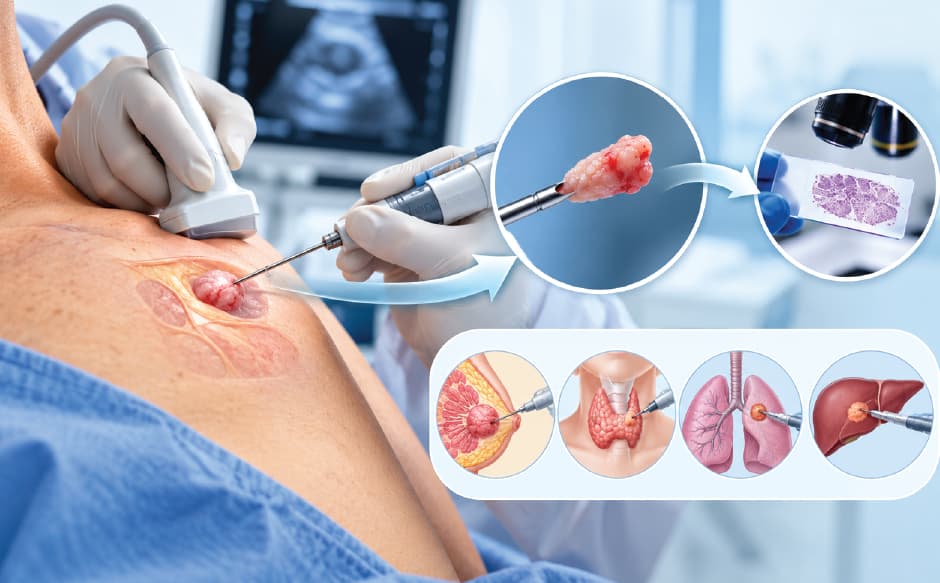
Cancer treatment often involves more than one therapy. You may need diagnostic imaging, biopsy, surgery, chemotherapy, radiotherapy, targeted therapy, immunotherapy, rehabilitation, and follow-up care. This is why many international patients choose India. Major oncology centres in India are equipped to provide comprehensive treatment under one roof for both common and complex cancers.
2. The scale of cancer care in India supports specialist experience
India handles a high number of cancer cases every year, which has helped build strong oncology networks and specialist expertise across the country. For international patients, this often means access to doctors and hospitals that regularly manage different cancer types and stages. In practical terms, high case volumes can support better familiarity with complex treatment planning and execution.
3. Multidisciplinary care improves treatment planning
Cancer care is more effective when different specialists work together instead of treating the case separately. A treatment plan may require input from medical oncologists, surgical oncologists, radiation oncologists, pathologists, radiologists, and supportive care teams. This multidisciplinary approach helps make treatment more accurate, coordinated, and personalised from the beginning.
4. India has a more organised pathway for international medical travellers
International patients need more than treatment alone. They also need help with travel, visas, hospital coordination, and caregiver planning. India has strengthened this process through its medical value travel ecosystem and e-medical visa support. This makes the overall treatment journey more structured and manageable for patients travelling from abroad.
5. Cancer infrastructure is still growing, but access has improved significantly
Cancer treatment depends heavily on hospital infrastructure, including radiotherapy, pathology, imaging, ICU care, and referral systems. India has improved significantly in these areas, especially in established tertiary hospitals. This is one reason international patients often prefer reputed multi-specialty cancer centres, where advanced technology and complete support services are more readily available.
Once you know why patients come to India, the next step is understanding what kinds of cancer treatment are actually available and how they are used.
Types of Cancer Treatment Available in India
Cancer treatment in India is not limited to one method. Depending on the cancer type, stage, molecular profile, and your overall health, treatment may involve surgery, radiotherapy, chemotherapy, hormone therapy, targeted therapy, immunotherapy, stem cell transplant, and supportive or palliative care. In many cases, doctors use a combination of these treatments rather than relying on one alone.
Here are the core cancer treatments methods doctors use in India:
-
Surgery: Removes the tumour and nearby affected tissue. Often used in early-stage cancers or combined with other treatments.
-
Chemotherapy: Uses anti-cancer drugs to destroy cancer cells. Given in cycles, either before or after surgery, or as the main treatment.
-
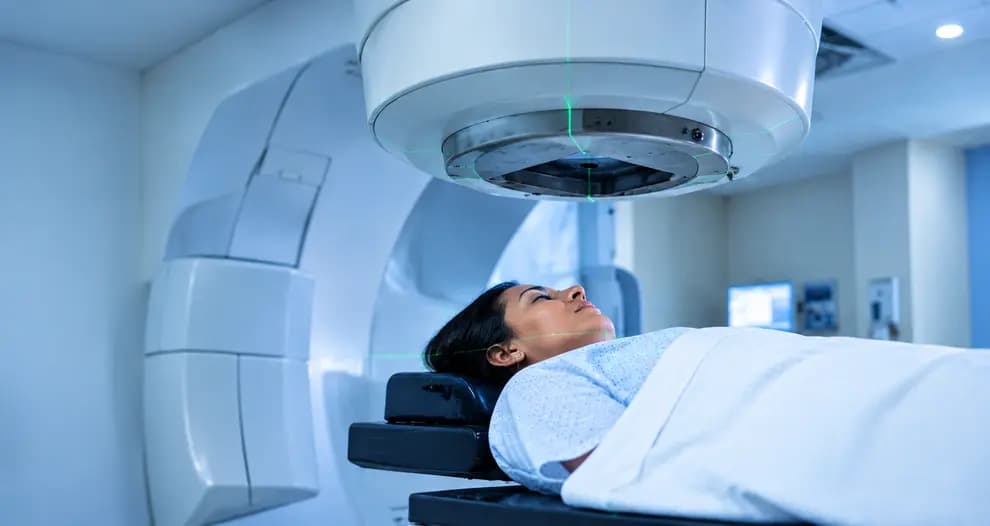
Radiation Therapy: Uses high-energy radiation to target tumours. Commonly used for local control or alongside chemotherapy.
-
Targeted Therapy: Focuses on specific genetic mutations or proteins in cancer cells. Requires biomarker testing before use.
-
Immunotherapy: Helps your immune system identify and attack cancer cells. Used in selected cancers based on suitability.
-
Hormone Therapy: Blocks hormones that fuel certain cancers, especially breast and prostate cancers. Stem Cell / Bone Marrow Transplant: Used mainly for blood cancers after high-dose chemotherapy.
-
Precision Oncology: Uses genetic testing (NGS) to personalise treatment decisions.
Once you understand the available treatment options, the next step is to clearly understand the cost of cancer treatment in India and what your overall treatment plan is likely to include.


Cancer Treatment Cost in India: What International Patients Should Budget For
Cancer treatment in India is usually priced as a combination of services, not one flat package. Your total cost may include consultation, scans, biopsy, surgery, chemotherapy sessions, radiotherapy planning, hospital stay, medicines, and follow-up care. That is why treatment estimates vary widely even within the same city.
Below is given indicative city-wise cancer treatment costs:
| City | Indicative cost point |
|---|---|
| Delhi | Radiotherapy and chemotherapy are currently provided free at Delhi State Cancer Institute |
| Mumbai | INR 1,200 ($15) per cycle for IV bolus chemotherapy; INR 12K ($145) for chemotherapy planning valid for 3 cycles; INR 1.38L ($1,660) for autologous bone marrow transplant at Tata Memorial Centre |
| Mumbai (CGHS benchmark) | INR 29,325 ($353) for cobalt radical therapy; INR 6OK ($723) for linear accelerator radical therapy; INR 1.03L ($1,245) for IMRT |
| Bengaluru | INR 250 ($3) for single-day chemotherapy; INR 600 ($7) for chemotherapy consultation; INR 500 ($6) for chemotherapy service at Kidwai Memorial Institute of Oncology ESI rate plan |
| India-wide public insurance benchmark | INR 5K–5.8K ($60–$70) for advanced histopathology; INR 20K ($245) for whole-body PET scan under PM-JAY package master |
Public-sector and CGHS-linked tariffs show that oncology costs can range from free services in some government cancer centres to INR 1.38 lakh ( $1,600 ) or more for major procedures such as autologous bone marrow transplant, while advanced radiotherapy alone can go above INR 1 lakh ($1,200) in some rate schedules.
Once you have a clear idea of treatment costs, the next step is choosing the right city, because the city often shapes your access to specialists, technology, travel convenience, and recovery support.
Top Cities in India for Cancer Treatment
India’s leading cancer treatment cities are not all the same. Some are known for high-volume public cancer centres, some for advanced private oncology networks, and others for smoother recovery and patient support. For international patients, the best city is usually the one that matches your treatment needs, budget, travel plan, and follow-up requirements.
| City | Why patients choose it | Popular cancer hospitals |
|---|---|---|
| Delhi NCR | Strong mix of public and private oncology centres, broad specialist access, and good international flight connectivity | AIIMS Dr B.R.A. Institute Rotary Cancer Hospital, Rajiv Gandhi Cancer Institute & Research Centre |
| Mumbai | One of India’s strongest cancer care hubs, especially for complex oncology, public cancer care, and advanced treatment pathways | Tata Memorial Hospital, HCG ICS Khubchandani Cancer Centre |
| Chennai | Known for advanced tertiary cancer care and access to sophisticated radiation and proton-based treatment options | Apollo Cancer Centre, Apollo Proton Cancer Centre |
| Bengaluru | Combines government-supported oncology access with large specialist cancer networks and expanding treatment capacity | Kidwai Memorial Institute of Oncology, HCG Cancer Hospital Bengaluru |
| Kerala | Better recovery environment, comparatively lower living costs, and a more patient-friendly care journey for many families | Baby Memorial Hospital, Kozhikode |
By now, you know where treatment is available and what it may cost, so the next step is finding a hospital that can manage your care from start to finish.
Cancer Care at Baby Memorial Hospital (BMH): What Sets It Apart
Baby Memorial Hospital (BMH), is a tertiary care multi-specialty hospital established in 1987, serving over 1.8 million patients annually. Its oncology care is delivered through the NAVA Cancer Institute, which integrates medical, surgical, and radiation oncology with haematology and bone marrow transplant services under one system.
The oncology department is supported by advanced infrastructure, including precision radiation technology, high-end imaging systems such as MRI and PET-based diagnostics, modular operation theatres, and critical care units. BMH follows a multidisciplinary tumour board approach, where specialists collaborate to create personalised treatment plans based on cancer type, stage, and patient condition.
This integrated setup allows you to access diagnosis, treatment, and recovery support in one place
Here’s what sets BMH apart:
-
Integrated oncology care: Treatment is planned across medical, surgical, and radiation oncology, ensuring coordinated care rather than isolated treatment.
-
Full-spectrum cancer treatment: From systemic therapies to surgery and radiation, BMH supports both solid tumours and blood cancers.
-
Precision-led treatment approach: Personalised radiotherapy and treatment planning focus on improving outcomes while reducing side effects.
-
Advanced care for complex cases: Haematology and bone marrow transplant services strengthen care for blood cancers and specialised cases.
-
International patient support: Dedicated services help with coordination, communication, and smoother treatment planning for overseas patients.
Planning cancer treatment in another country can feel overwhelming. You can share your medical reports with the BMH team to receive a personalised treatment plan, estimated cost, and guidance on travel and care, so you can move forward with clarity.
Submit Your Reports for Review.
To Conclude,
Cancer treatment in India offers a practical balance of advanced care, specialist access, and more manageable costs, making it a strong option for international patients. What matters most is choosing a hospital that can manage your entire treatment journey, not just one procedure.
If you are planning your treatment, you can connect with the oncology team at BMH to receive a personalised treatment plan, expert consultation, and end-to-end support for your care journey in India.