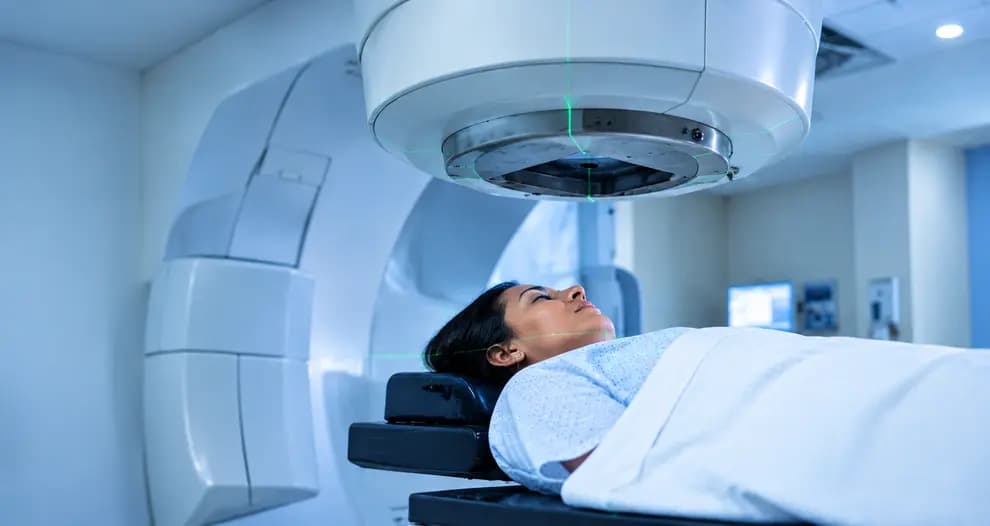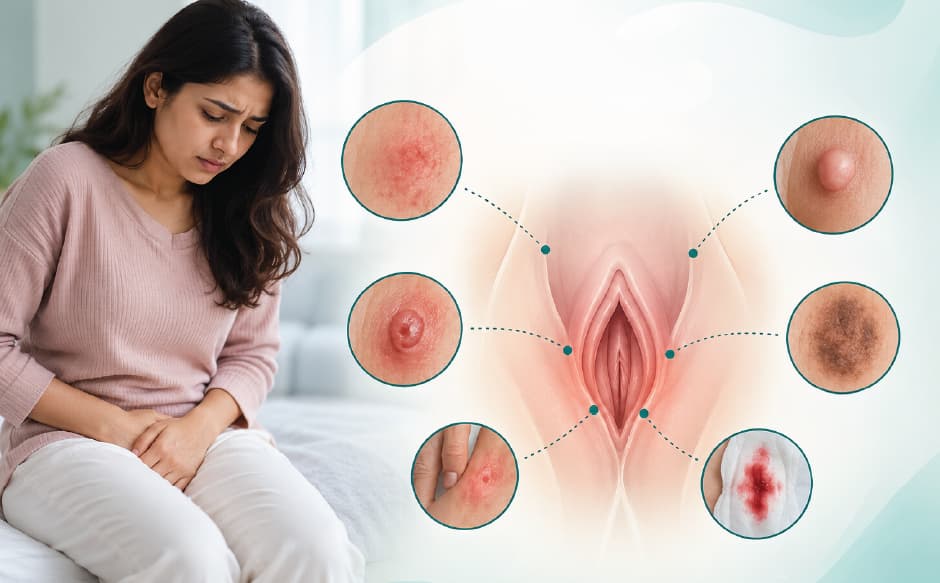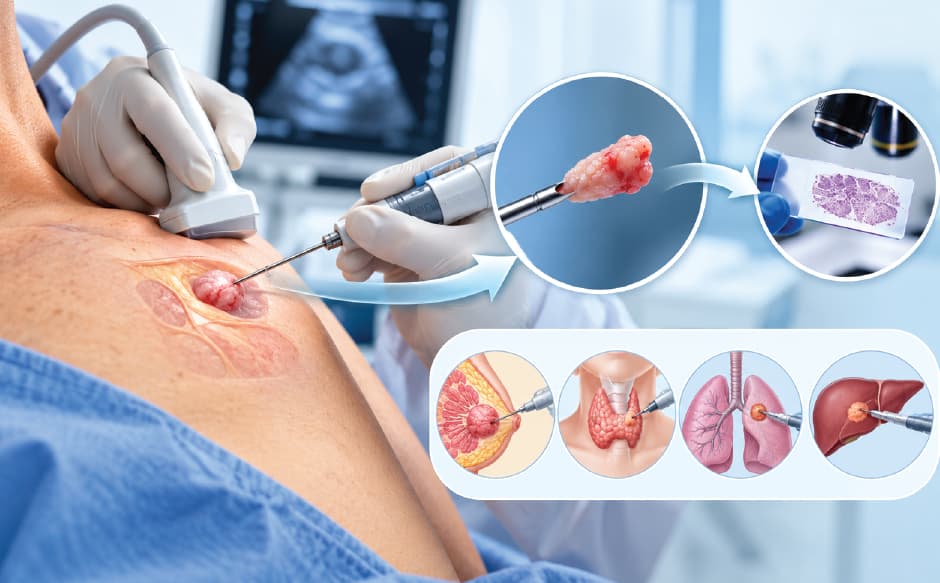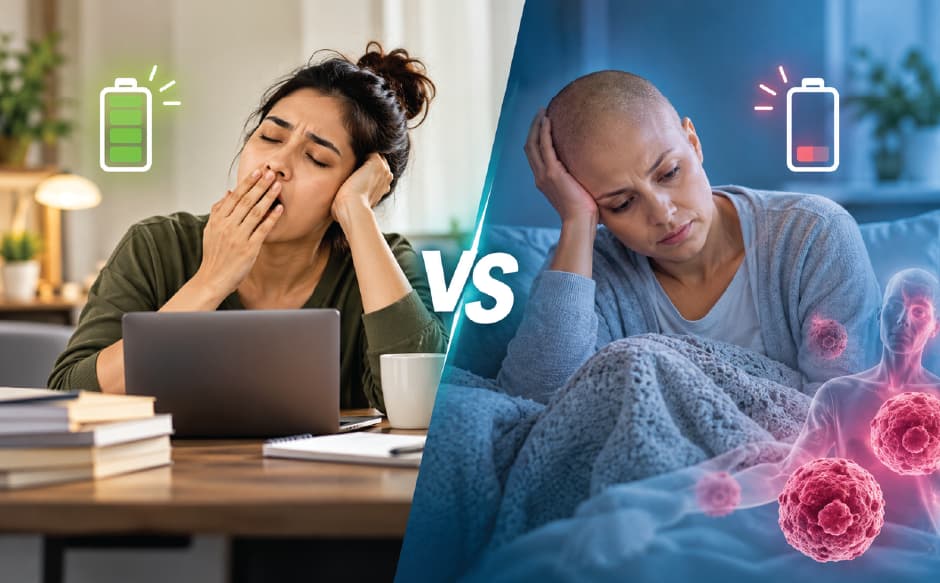

Finishing your last chemotherapy cycle, final radiation session, or major cancer surgery can feel like crossing a finish line. But for a large share of survivors, that isn't where recovery ends, it's where a second, quieter phase begins. Fatigue that doesn't lift.
A shoulder that won't lift overhead after breast surgery. Numbness in the fingers that makes buttoning a shirt difficult. These are the everyday, unglamorous effects of cancer treatment that rarely make it into a discharge summary.
According to UT Southwestern Medical Center, fewer than 10% of cancer patients currently receive personalised rehabilitation care to manage these treatment-related symptoms and maximise their quality of life, even though effective therapies exist. That gap is exactly why cancer rehabilitation after treatment deserves a closer, practical look, what it actually involves, when it should start, and how to access it.
What Is Cancer Rehabilitation and Why It Matters
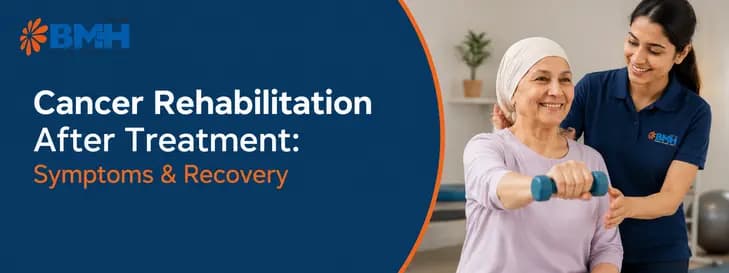
Cancer rehabilitation is a specialized programme designed to restore your physical, psychological, and social wellbeing after treatment. Unlike generic fitness programmes, cancer rehabilitation acknowledges the unique challenges survivors face, ranging from surgery-related movement limitations to lasting effects of chemotherapy or radiation. This tailored approach recognizes that every survivor's journey is different, depending on cancer type, treatment received, and individual health status.
Rehabilitation typically involves a multidisciplinary team, including physiotherapists, oncologists, nutritionists, counsellors, and occupational therapists. According to the American Cancer Society, structured rehabilitation significantly improves quality of life, reduces fatigue, and lowers the risk of long-term complications. Starting rehabilitation early, even during treatment, can prevent muscle loss and psychological decline. Whether you are a few weeks post-treatment or several months into recovery, it is never too late to begin. Many survivors report that rehabilitation helps them feel more in control, rebuild confidence, and establish sustainable healthy habits.
The Physical and Functional Effects That Rehabilitation Targets
Cancer treatment, surgery, chemotherapy, radiation, or a combination, tends to leave behind a specific, recognisable set of physical effects. Rehabilitation is built to address each of these directly.
1. Cancer-related fatigue and deconditioning
This is one of the most common, and most underestimated, effects of cancer treatment. It isn't ordinary tiredness, it doesn't fully resolve with rest, and it can persist for months after treatment ends. Structured, graded exercise (not complete rest) is now the evidence-backed approach, since inactivity tends to make cancer-related fatigue worse rather than better.
2. Lymphedema
Swelling caused by damage to the lymphatic system, common after breast cancer surgery with lymph node removal, or after treatment for gynaecological, head and neck, or prostate cancers, needs manual lymphatic drainage, compression therapy, and specific exercise protocols. Left unmanaged, it can become a long-term, worsening condition.
3. Peripheral neuropathy and nerve pain
Certain chemotherapy drugs damage peripheral nerves, causing tingling, numbness or pain in the hands and feet. This can affect balance, grip strength, and fine motor tasks such as writing or buttoning clothes.
4. Joint stiffness, scar tissue and reduced range of motion
Surgery and radiation can create scar tissue (fibrosis) that restricts movement, a frozen shoulder after breast or axillary surgery is a classic example. Targeted stretching and manual therapy prevent this from becoming permanent.
5. Speech, voice and swallowing changes
Head and neck cancer treatment can affect the ability to speak clearly, swallow safely, or eat a normal diet. Speech and swallow therapy, ideally started before side effects fully set in, helps preserve these functions.
The Core Building Blocks of a Cancer Rehabilitation Program
A well-designed cancer rehabilitation program typically combines several disciplines, coordinated around the same patient record rather than delivered in isolation.
-
Physiotherapy and exercise oncology form the foundation supervised, graded exercise to rebuild strength, cardiovascular capacity and balance, adjusted for blood counts, surgical precautions, and treatment side effects.
-
Occupational therapy focuses on the practical side of recovery: relearning daily tasks, adapting the home or work environment, and rebuilding hand function after neuropathy or surgery.
-
Speech and swallow therapy is essential for anyone treated for cancers of the mouth, throat, larynx or oesophagus, or anyone who has had prolonged intubation.
-
Interventional pain management, often delivered through image-guided (USG-guided) injections or nerve blocks alongside medication, addresses persistent post-surgical or neuropathic pain that doesn't respond to standard painkillers alone.
-
Psycho-oncology and counselling support the emotional load of survivorship, anxiety about recurrence, body-image changes, and adjusting to a new normal are as real as physical effects, and left unaddressed, they can slow physical recovery too.
-
Nutrition rehabilitation rounds out the picture, particularly for patients who have lost significant weight or muscle mass, or who have swallowing restrictions that limit what they can safely eat.
The strongest programs don't treat these as separate services a patient has to seek out individually, they function as one coordinated plan, adjusted as treatment progresses.


When Should Rehabilitation Begin? Prehabilitation vs. Post-Treatment Recovery
The traditional model waits until after surgery, chemotherapy or radiation is complete before rehabilitation starts. A growing body of evidence supports starting earlier, a concept known as prehabilitation. This means beginning targeted exercise, nutrition optimisation, and even breathing training before major surgery or the start of chemotherapy, so the body enters treatment in better condition and has a stronger baseline to recover to.
Post-treatment rehabilitation remains essential regardless, it's simply the point at which most patients currently first encounter rehabilitation services, often because a specific problem (a frozen shoulder, persistent swelling, or unresolved fatigue) prompts a referral.
The ideal model treats rehabilitation as a continuous thread through the entire cancer journey: before treatment, during treatment where tolerated, and for months, sometimes years, afterward, rather than a single referral made only once a survivor is already struggling.
Also Read: What Is Palliative Care for Cancer? Benefits & Support
Return to Work and Daily Activities
Returning to work or normal routines is a milestone, but timing varies widely. Some survivors resume quickly; others need months of gradual reintegration. There is no 'right' timeline, listen to your body and your healthcare team.
Before returning, discuss with your employer and occupational therapist about potential workplace modifications. Reduced hours, flexible schedules, lighter duties, or ergonomic changes accommodate ongoing limitations without derailing recovery. Communicating with colleagues, whether openly or selectively, reduces anxiety and builds support. Many survivors find phased returns helpful; starting part-time for a few weeks before progressing to full-time prevents overwhelm.
Daily activities, cooking, housework, hobbies, also require pacing. Prioritize essentials initially, delegate when possible, and gradually resume all activities. Fatigue and concentration issues may persist; writing lists, setting reminders, and requesting flexibility helps. Some survivors discover that cancer prompted valuable life changes, shifting to less stressful roles, refocusing on meaningful work, or rebalancing family and personal time.
Also Read: How Your Daily Lifestyle Changes Can Reduce Cancer Risk: A Practical Guide
Oncology teams in Kozhikode can connect you with occupational rehabilitation services to support this transition.
Inside BMH's Approach to Cancer Rehabilitation: What Makes It Different
If you're trying to work out where to actually go for cancer rehabilitation in India, it helps to know what a well-equipped program looks like on the ground, rather than reading a generic service list.
Baby Memorial Hospital (BMH) in Kozhikode, Kerala, has been part of the Malabar region's healthcare landscape since 1987, nearly four decades of running a roughly 490-bed multi-specialty hospital with about 100 ICU beds and 16 operation theatres. Its oncology arm, the NAVA Cancer Institute, sits alongside a dedicated Physical Medicine and Rehabilitation (PMR) department rather than a generic physiotherapy add-on, which matters more than it sounds.
It means rehabilitation planning for a cancer patient is built with an oncologist and a rehabilitation physician looking at the same case, not two separate appointments in two separate buildings.
A rehabilitation team built around oncology cases
What actually happens inside that rehab space is fairly specific. BMH's rehabilitation hall includes virtual reality-based therapy systems for gamified, motivation-friendly movement retraining, continuous passive motion (CPM) devices, and a partial body weight-supported treadmill, useful for patients too weak post-treatment to bear full weight but who still need to relearn walking patterns.
There's also on-ground harness training, motorised tilt tables, and resistance training tables, alongside occupational therapy, a speech and swallow therapy suite, and clinical psychology services. For patients who need mobility aids or prosthetics after surgery, BMH runs an in-house orthotics and prosthetics laboratory, so patients aren't sent elsewhere mid-recovery for a basic fitting.
Structured, affordable care for Indian and international patients
For patients travelling from outside Kerala or from outside India, since BMH also supports international patients through a dedicated patient-care desk, the appeal isn't one flashy feature. It's that oncology treatment, pain management, physiotherapy and psychological support sit on one hospital campus, at a cost structured to be more accessible than equivalent private care in many metro cities or abroad, without cutting corners on equipment or staffing. Across nearly four decades, that combination has made BMH one of the more established names in oncology and rehabilitation care in North Kerala.
None of this means every patient needs every service listed here. It means that when a specific complication shows up, a stiff shoulder six weeks after axillary surgery, or fatigue that isn't improving three months after chemotherapy, there's already a rehabilitation team familiar with oncology cases, rather than a general physiotherapy clinic learning as it goes.
Not sure what kind of rehabilitation support fits your stage of recovery? Chat with our care assistant for quick guidance, or to connect directly with the NAVA Cancer Institute and Physical Medicine and Rehabilitation team for a plan suited to your treatment and recovery stage.
Medical Disclaimer This article is intended for general informational purposes only and does not constitute medical advice, diagnosis, or treatment recommendations. Every patient's cancer diagnosis, treatment history, and recovery needs are different. Please consult a qualified oncologist, physiatrist, or rehabilitation specialist before starting any rehabilitation program.