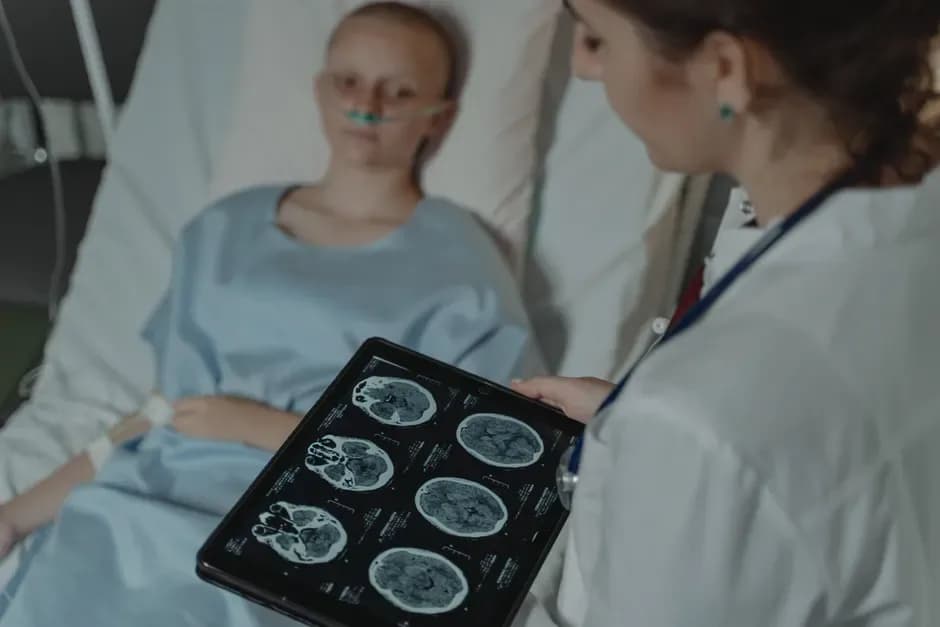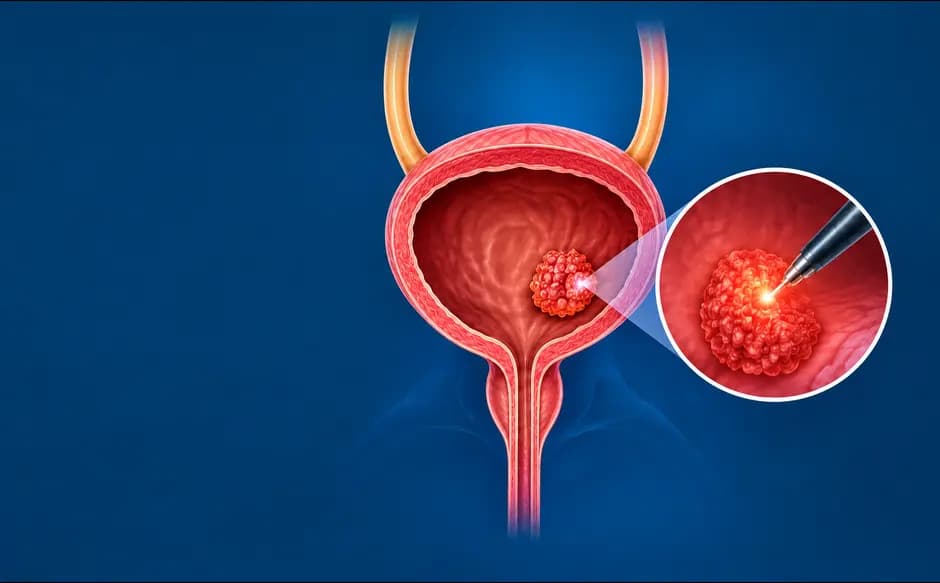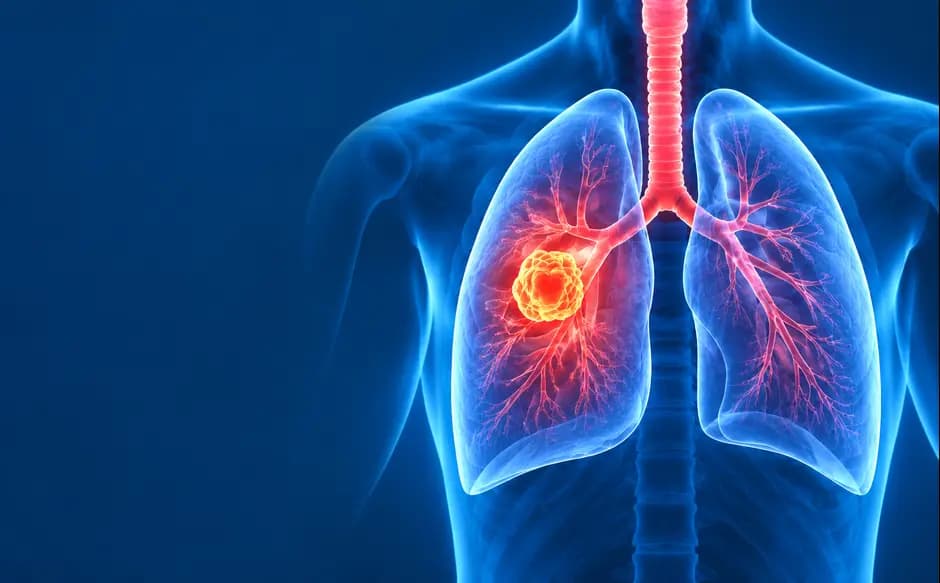

cancer diagnosis is hard enough. What comes after, sitting in a chemotherapy chair for the first time, not knowing how your body will respond, can feel equally daunting.
The fear of side effects stops some patients from completing their full course of treatment. That is a problem worth addressing head-on.
Chemotherapy saves lives, but it can bring unwanted side effects that challenge your daily routine.
From nausea to fatigue and hair loss, these effects are real, but they are also manageable. Understanding what to expect and learning practical strategies can help you maintain quality of life during treatment and feel more in control of your cancer journey.
Why Chemotherapy Causes Side Effects
Chemotherapy drugs work by targeting rapidly dividing cancer cells, but they also affect healthy cells that divide rapidly, like those in your hair follicles, digestive tract, and bone marrow.
This is why side effects are common and vary from person to person.
Some people experience mild effects while others face more significant challenges. Side effects can appear during treatment or weeks later.
The good news is that most are temporary and improve once treatment ends.
Common side effects include nausea, vomiting, fatigue, hair loss, low blood counts, and mouth sores. Less common but serious effects may include heart or lung damage, depending on the drug type.
Your oncology team monitors you closely with blood tests and imaging to catch any issues early. Understanding these effects helps you distinguish between normal responses and warning signs that need immediate medical attention.
Knowing what might happen also allows you to prepare mentally and practically, which often reduces anxiety.
Also Read: Difference Between Chemotherapy and Immunotherapy in Cancer Treatment
The Most Common Chemotherapy Side Effects and What to Do About Each
While not everyone experiences the same side effects, knowing what to expect can make treatment feel less overwhelming. Here are the most common chemotherapy side effects, why they happen, and practical ways patients and doctors manage them.
1. Nausea and Vomiting (CINV)
What happens: Chemo triggers both the gut and the brain's vomiting centre. Nausea typically peaks within 24 hours of infusion and can last up to a week, depending on the regimen.
- Take prescribed antiemetics before each infusion, not after nausea starts
- Eat small, frequent meals (every 2–3 hours) rather than large meals
- Avoid strong smells, fatty or fried food, and very sweet foods during the days after treatment
- Stay hydrated, sip water, clear broths, or oral rehydration solutions constantly
- Ginger in small amounts (tea, ginger biscuits, ginger chews) has modest evidence behind it as a nausea aid alongside prescribed medication.
- Inform your team if vomiting persists beyond 24 hours or if you cannot keep any fluids down, this is a medical situation requiring intervention.
Red flag: Inability to keep fluids down for more than 24 hours warrants a call to your oncologist.
2. Fatigue
What happens: Cancer-related fatigue (CRF) is far more intense than ordinary tiredness. It does not resolve with rest. It is caused by a combination of the disease itself, the energy your body spends fighting it, anaemia from bone marrow suppression, disrupted sleep, and inflammation. Crucially, it often gets progressively worse with each chemotherapy cycle.
- Track your energy using an energy diary, note peak energy windows and use them for important activities
- Pace deliberately: group similar tasks, take 5–10 minute breaks after each activity
- Gentle aerobic exercise (short walks, light yoga) has the strongest evidence base for reducing CRF, the ASCO-SIO 2024 guidelines specifically recommend exercise as a primary intervention.
- Cognitive behavioural therapy (CBT) tailored to fatigue helps patients restructure thinking patterns that worsen exhaustion
- Investigate anaemia with your care team, if your haemoglobin has dropped, it needs to be addressed medically, not just managed with rest
- Avoid overloading your schedule in the 3–5 days after each infusion.
3. Hair Loss (Alopecia)
What happens: Hair usually begins falling out within the first 2–3 weeks of chemotherapy. Regrowth typically starts within 2–3 months of completing treatment. Some patients find that the regrown hair has a different texture or colour.
- Prepare psychologically and practically before hair loss begins, speak to your team about what to expect from your specific regimen
- Consider cutting hair short before it starts falling out, many patients find this reduces the psychological shock
- Use gentle, sulfate-free shampoos and avoid heat styling on the scalp
- Cold cap therapy (scalp cooling) is available in some centres and can reduce hair loss in certain regimens, particularly for breast cancer patients, ask your oncologist whether it is appropriate for your treatment.
4. Mouth Sores (Oral Mucositis)
What happens: Chemo damages the mucous membrane lining of the mouth and throat, leading to painful ulcers that make eating, drinking, and swallowing difficult. Mouth sores typically appear 5–14 days after treatment.
- Brush teeth gently with a soft-bristle toothbrush after every meal and before bed
- Use an alcohol-free mouthwash or saline rinse (1/4 tsp salt + 1/4 tsp baking soda in 1 cup water) up to four times daily
- Avoid spicy, acidic, rough-textured, or very hot foods
- Stay hydrated, a dry mouth worsens sores significantly
- Avoid aspirin and ibuprofen for pain; paracetamol is safer unless contraindicated
- If sores bleed or make swallowing impossible, contact your oncology team immediately, IV nutrition may be required temporarily.
5. Neuropathy (Nerve Pain or Tingling)
What happens: Certain chemo drugs , particularly platinum-based agents (cisplatin, oxaliplatin) and taxanes, can damage peripheral nerves, causing tingling, numbness, or burning in the hands and feet. This is called chemotherapy-induced peripheral neuropathy (CIPN).
- Report tingling or numbness early, dose adjustment is far easier to manage before neuropathy becomes severe
- Keep hands and feet warm (nerve-damaged skin is more sensitive to cold)
- Use handrails, be careful on uneven surfaces, balance is often affected
- Physical therapy and occupational therapy can improve function if CIPN progresses
- Do not assume it will go away on its own some forms of CIPN are dose-dependent and irreversible if the drug is continued beyond the body's tolerance level.


6. Decreased Appetite and Weight Changes
What happens: Changes in taste (metallic or bitter), loss of appetite, nausea, and mouth sores all combine to reduce food intake during chemo. Conversely, some patients on hormonal chemotherapy gain weight.
- Eat small meals every 2–3 hours rather than waiting until hungry (hunger signals are often blunted during chemo)
- Prioritise protein at every meal, protein supports immune function and muscle repair
- Try cold or room-temperature foods if hot food triggers nausea
- If food tastes metallic, use plastic cutlery and try marinated foods or citrus-based dressings to mask the taste
- Work with a clinical dietitian or nutritionist, your hospital's oncology team should be able to refer you to one.
7. Increased Infection Risk (Low White Cell Count)
What happens: Chemo can suppress bone marrow, reducing white blood cell production. This leaves patients immunocompromised, particularly in the 7–14 days after each cycle.
- Wash hands frequently, this is not optional
- Avoid crowded places during your nadir window
- Check your temperature twice daily, a fever of 38°C or higher during chemotherapy is a medical emergency requiring an immediate call to your oncology team or an A&E visit
- Avoid raw or undercooked foods (salmonella risk), unwashed fruits, and unpasteurised dairy
- Your doctor may prescribe G-CSF injections to stimulate white cell production if your counts drop significantly.
Also Read: Recommended Cancer Screening Tests for Every Adults
Why Chemotherapy Support Infrastructure Matters And What to Look For in a Hospital
Most side effect guides focus on what you can do at home. But the quality of your chemotherapy experience is also shaped significantly by where and how your treatment is delivered.
Here is what to ask when evaluating an oncology centre:
- Is chemotherapy delivered in a dedicated day-care unit with trained oncology nurses monitoring for real-time toxicity?
- Does the hospital have a clinical pharmacist involved in reviewing your regimen and drug interactions?
- Are dose modifications made based on interim blood counts and organ function markers or is the same dose administered regardless?
- Is there a palliative and supportive care team available during active treatment (not just at end of life)?
- Can you access a dietitian, psychologist, and physiotherapist as part of your cancer care not as a separate paid referral?
- Is there a tumour board that reviews complex cases?
These questions matter because chemotherapy toxicity is not just a patient management issue, it is a clinical quality issue. Unmanaged toxicity leads to dose delays, dose reductions, and incomplete treatment cycles, all of which can affect outcomes.
Also Read: How Much Does a Chemo Treatment Cost in India?
Chemotherapy Support at Baby Memorial Hospital, Kozhikode
For patients seeking comprehensive chemotherapy care in Kerala, Baby Memorial Hospital (BMH), Kozhikode offers treatment through the NAVA Cancer Institute, where chemotherapy is planned and monitored by a multidisciplinary cancer team rather than delivered as a standalone infusion.
Highlights of BMH's chemotherapy care:
- Dedicated day-care chemotherapy unit with personalised treatment plans
- Multidisciplinary tumour board involving medical, surgical, and radiation oncologists
- Advanced diagnostics and treatment technologies, including PET-CT, TrueBeam LINAC, Da Vinci robotic surgery, and brachytherapy
- Integrated nutrition, pain management, psychological counselling, and survivorship support
- International patient services for medical travellers, including treatment planning and care coordination
By closely monitoring treatment response and proactively managing side effects, the team aims to make chemotherapy safer, more effective, and easier for patients to navigate.
Connect with the oncology team at Baby Memorial Hospital, Kozhikode to discuss your diagnosis, explore personalised treatment options, or schedule a consultation.
Conclusion
Chemotherapy side effects are common, but they don't have to define your treatment journey. With timely symptom reporting, evidence-based self-care, and support from an experienced oncology team, most side effects can be effectively managed while helping you stay on track with treatment.
If you're preparing for chemotherapy or need personalised guidance, chat with our medical assistant today to explore your treatment options and connect with the right oncology specialist.
Medical Disclaimer The information in this article is intended for educational and informational purposes only. It does not constitute medical advice, diagnosis, or treatment recommendation. Chemotherapy regimens, side effect management, and supportive care requirements vary significantly between patients and cancer types. Always consult a qualified oncologist or healthcare professional for guidance specific to your condition and treatment plan.