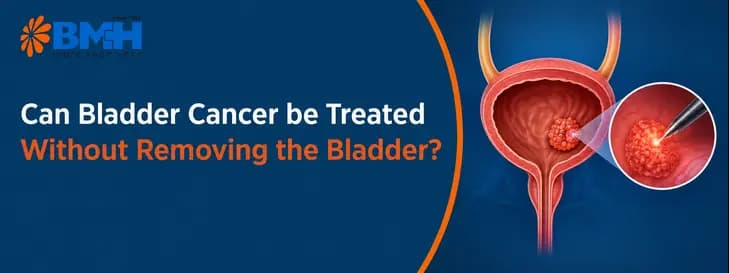

A diagnosis of bladder cancer does not automatically mean the bladder has to be removed. Many patients can be treated with bladder-preserving approaches, but the options depend mainly on how deeply the cancer has invaded the bladder wall, its grade, number and size of tumours, and whether it has spread elsewhere.
For non-muscle-invasive bladder cancer, treatment often involves removing the visible tumour through TURBT and, depending on recurrence risk, using intravesical BCG or chemotherapy followed by regular cystoscopic surveillance. Some carefully selected patients with muscle-invasive disease may also be candidates for bladder-sparing trimodal therapy, combining TURBT, chemotherapy, and radiation instead of radical cystectomy.
So the real question is not simply “Can bladder cancer be treated without surgery?” but “Is bladder preservation safe and appropriate for this particular tumour?” The answer becomes clearer once cystoscopy, TURBT pathology, and staging scans establish exactly how far the cancer has progressed.
Why "Just Remove the Bladder" Isn't Always the First Answer
Radical cystectomy, full bladder removal, often along with nearby lymph nodes and, in men, the prostate, remains the standard of care for aggressive, deeply invasive disease. It is not, however, the default treatment for every bladder cancer diagnosis.
Oncology decision-making here hinges on one clinical distinction that most patients aren't told about clearly enough: has the tumour invaded the bladder's muscle wall, or not?
That single detail, confirmed through a diagnostic TURBT (transurethral resection of bladder tumour) with pathology grading, determines nearly everything about your treatment pathway.
4 Ways Bladder Cancer Is Treated Without a Cystectomy
When bladder preservation is possible, treatment can take several forms depending on the tumour’s stage, grade, and recurrence risk:
1. TURBT (Transurethral Resection of Bladder Tumour).
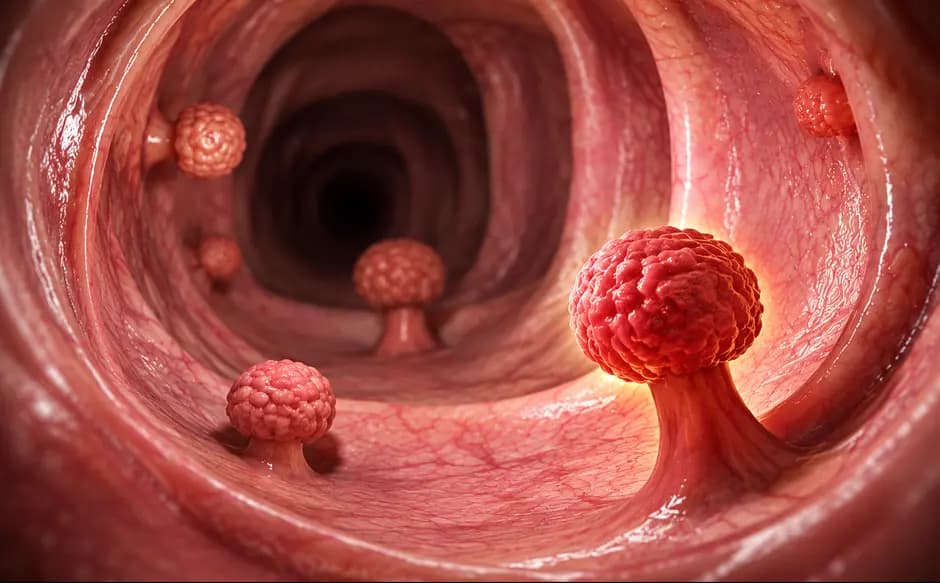
A cystoscope is passed through the urethra to physically shave away the visible tumour, with no external incision. For low-grade, non-invasive tumours, TURBT can be both diagnostic and, in some cases, the primary treatment, followed by surveillance cystoscopy at intervals your urologist sets based on recurrence risk.
2. Intravesical BCG and Chemotherapy.
For intermediate- and high-risk NMIBC, a catheter delivers Bacillus Calmette-Guérin (an immune-stimulating agent) or chemotherapy drugs like mitomycin directly into the bladder after TURBT. This trains the immune system to attack residual abnormal cells locally, without systemic exposure.
3. Trimodal Therapy (Bladder-Sparing Chemoradiation)
For muscle-invasive disease. This is the protocol most people mean when they ask whether invasive bladder cancer can be treated without surgery. It combines a maximal TURBT with concurrent chemotherapy and radiation therapy.
4. Systemic chemo-immunotherapy with response-adapted bladder preservation.
A newer, still-evolving approach: patients receive chemotherapy plus immunotherapy first, then undergo restaging (biopsy, MRI, cystoscopy) to see if all detectable cancer is gone. Those in complete response can, in some protocols, continue on maintenance immunotherapy and avoid cystectomy altogether.
| Approach | Removes bladder? | Best suited for | Follow-up burden |
|---|---|---|---|
| Radical cystectomy | Yes | Extensive/recurrent MIBC, non-functioning bladder | Lower long-term surveillance, but major reconstructive recovery |
| TURBT alone | No | Low-grade NMIBC | Regular cystoscopy |
| Intravesical BCG/chemo | No | Intermediate-high risk NMIBC | Scheduled instillations + cystoscopy |
| Trimodal therapy | No | Select stage II–IIIA MIBC, good bladder function | Strict cystoscopy schedule; salvage cystectomy possible |
| Chemo-immunotherapy + response-adapted preservation | No (if complete response) | Selected MIBC after restaging | Intensive imaging/biopsy monitoring |


Who Is (and Isn't) a Candidate for Bladder-Sparing Treatment
Bladder preservation isn't a consolation prize, but it also isn't universal. It tends to fit patients who have:
- A single, resectable tumour rather than multiple/diffuse lesions
- A bladder that still empties and functions well
- No blockage of the ureters from the tumour
- No extensive carcinoma-in-situ alongside the main tumour
- Fitness to tolerate chemotherapy and daily radiation sessions over several weeks
It's generally not appropriate for very large tumours, disease that has already spread beyond the bladder, or a bladder that's already poorly functioning from prior disease or surgery.
This is precisely why the decision needs a multidisciplinary team reviewing your scans and pathology together, not a single-specialist opinion.
How NAVA Cancer Institute Brings Bladder Cancer Care Together
At NAVA Cancer Institute, Baby Memorial Hospital, Kozhikode, bladder cancer treatment begins with establishing the tumour’s stage and biology rather than choosing surgery or bladder preservation upfront.
Cystoscopy and TURBT provide the tissue needed for diagnosis and grading, while cross-sectional imaging helps determine local invasion and whether the cancer has spread.
Once these findings are available, treatment planning involves the relevant specialists:
-
Urology: Dr. Manu V S and the genito-urinary surgery team manage TURBT, intravesical treatment, and surveillance cystoscopy for non-muscle-invasive bladder cancer.
-
Radiation oncology: For selected muscle-invasive cases where bladder preservation is appropriate, Prof. Dr. P.R. Sasindran and the radiation oncology team plan precision radiotherapy, including IMRT-based treatment.
-
Multidisciplinary review: Urologists, radiation oncologists, and medical oncologists can review the same pathology and imaging before a treatment plan is finalised.
This coordinated approach can also simplify care for patients travelling from outside Kozhikode. As a comprehensive cancer care center in Kerala, BMH brings diagnosis, staging, surgery, chemotherapy, and radiation services together within one hospital, reducing the need to coordinate treatment across multiple centres. This is particularly important when bladder-preservation treatment involves several weeks of radiotherapy.
BMH also has dedicated international patient support for those travelling from other states or countries.
Conclusion
The honest answer to "can bladder cancer be treated without removing the bladder" is: often, yes, but it's a staging question, not a preference question. Non-muscle-invasive disease is routinely managed without cystectomy through TURBT and intravesical therapy. Muscle-invasive disease can, in the right candidates, be treated with NCCN Category 1-recommended trimodal therapy instead of surgery.
What decides your path is tumour depth, bladder function, and access to a team that can deliver urology, radiation oncology, and medical oncology in coordination, which is exactly the structure NAVA Cancer Institute at Baby Memorial Hospital has built its genitourinary cancer program around.
If you or a family member has a new bladder cancer diagnosis, the most useful next step isn't researching further alone, it's getting your pathology and imaging in front of a multidisciplinary team who can tell you, specifically, which category you fall into.
Moreover, every bladder cancer case is different, and a blog can't replace a review of your own scans and pathology. Chat with our care assistant to get help understanding your reports or to book a consultation with NAVA Cancer Institute's uro-oncology team at Baby Memorial Hospital, Kozhikode.
Medical Disclaimer: This article is for general informational purposes only and does not constitute medical advice, diagnosis, or treatment. Bladder cancer treatment decisions depend on individual staging, imaging, pathology, and overall health, and should only be made in consultation with a qualified oncologist or urologist. Please speak to a specialist at NAVA Cancer Institute, Baby Memorial Hospital, or your treating physician before making any treatment decisions.