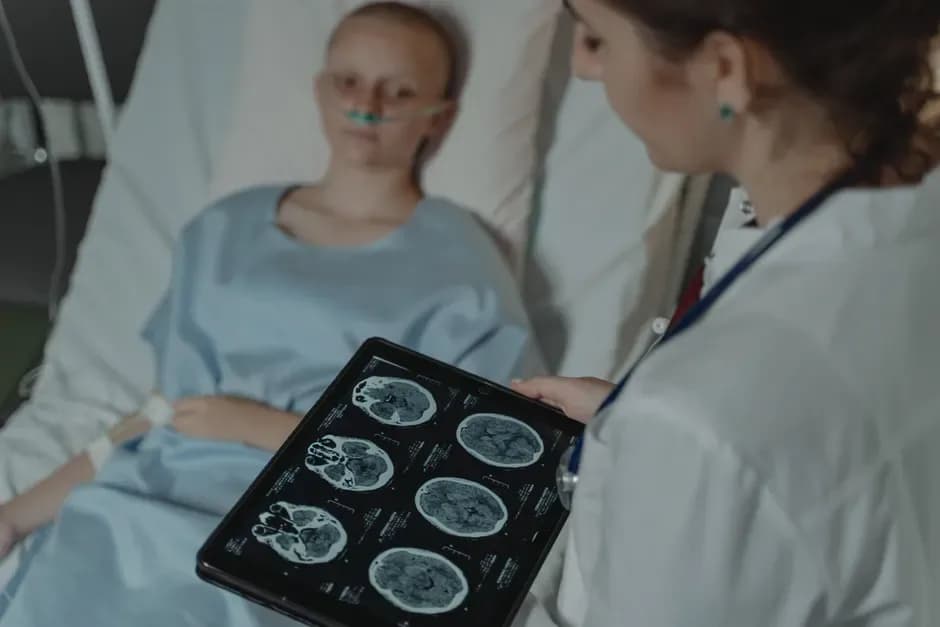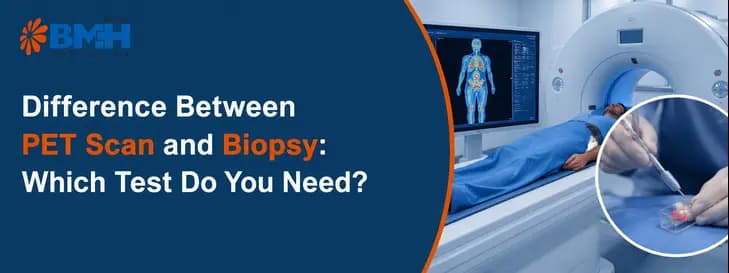

A PET scan and a biopsy are two completely different diagnostic tools that serve separate purposes in modern medicine. A PET scan uses imaging technology to detect metabolic activity inside your body, while a biopsy involves collecting a tissue sample for laboratory analysis.
This article walks through what a PET scan and a biopsy each measure, how the procedures work, how accurate each one is, what they typically cost in India, and which test usually comes first.
What Is a PET Scan?
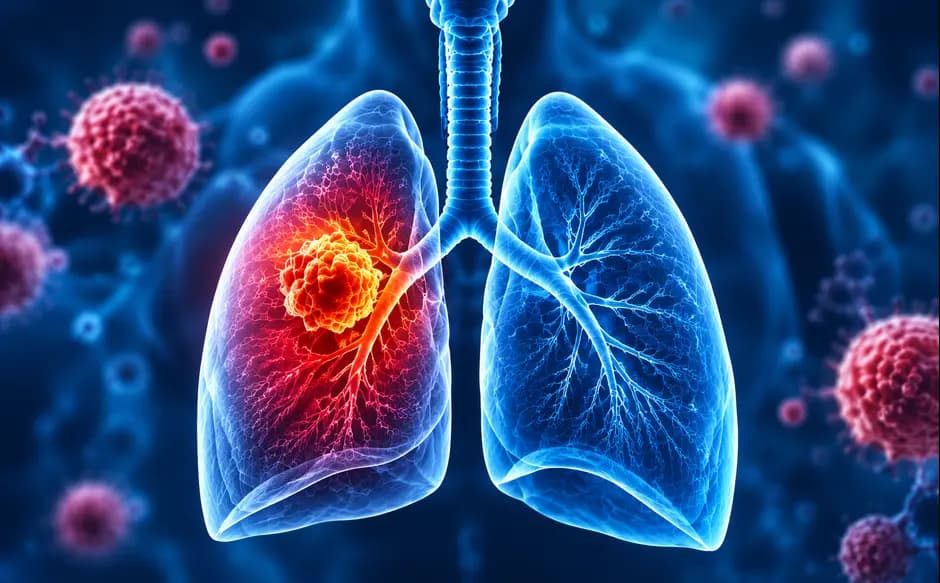
A PET scan, usually done as a combined PET-CT, is a functional imaging test. It uses a radioactive tracer, most often FDG (fluorodeoxyglucose), a form of labelled glucose, injected into the bloodstream. Cells that consume abnormal amounts of sugar light up on the scan, and unusually high metabolic activity is a common marker of cancer cells.
Doctors read the scan using SUV (standardised uptake value), a number that indicates how ‘active’ a given area is compared to normal tissue. PET-CT is whole-body and non-invasive, and it's primarily used for staging a known cancer, monitoring how well treatment is working, and checking for recurrence, not for confirming a first-time diagnosis on its own.
Also Read: PET Scan vs CT Scan vs MRI for Cancer: Which Is Right for You?
What Is a Biopsy?
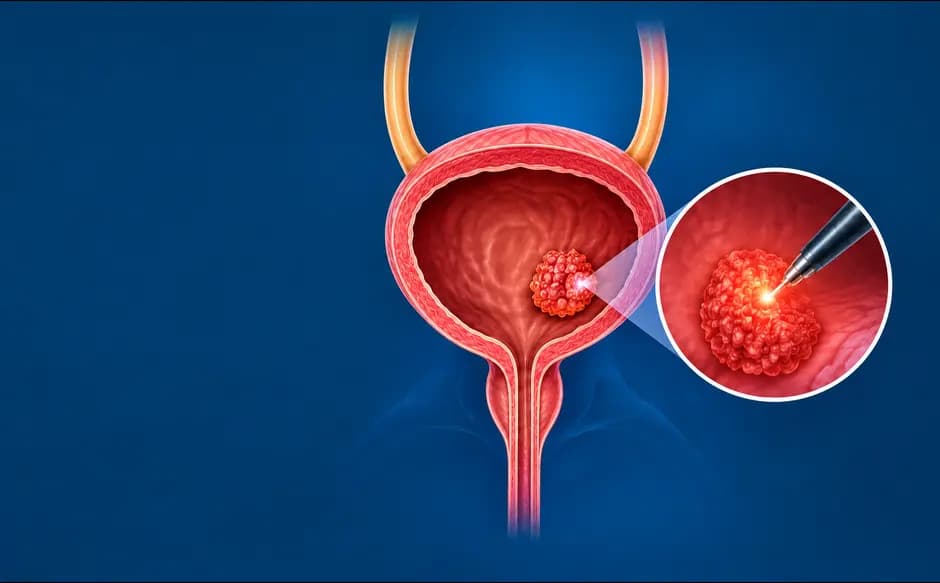
A biopsy is the removal of a small sample of tissue or cells for direct examination by a pathologist, a process called histopathology. It is the only method that can confirm whether cells are cancerous.
- Core needle biopsy — a hollow needle removes a small cylinder of tissue
- FNAC (fine needle aspiration cytology) — a thin needle draws out a small sample of cells
- Excisional/surgical biopsy — surgical removal of part or all of a lump for examination
- Image-guided biopsy — CT- or ultrasound-guided needle placement for hard-to-reach sites.
Depending on the site, a biopsy ranges from minimally invasive to invasive, and is usually performed under local anaesthesia.
Key Differences Between PET Scans and Biopsies
PET scans and biopsies differ fundamentally in methodology, information provided, invasiveness, and clinical application. The table below outlines their main distinctions:
| Aspect | PET Scan | Biopsy |
|---|---|---|
| Nature | Imaging test using radioactive tracer | Tissue sample collection and analysis |
| Invasiveness | Non-invasive | Minimally to moderately invasive |
| Information Type | Metabolic activity and function | Cellular structure and disease type |
| Diagnostic Certainty | Indicates suspicious areas | Provides definitive diagnosis |
| Time for Results | 1-3 days | 5-14 days |
| Risk Level | Very low (minimal radiation) | Low (minor bleeding, infection risk) |
| Cost Range | Typically higher per procedure | Variable by biopsy type |
PET scans excel at detecting disease early and identifying areas needing closer investigation. Biopsies provide the conclusive diagnosis needed to confirm what that disease actually is.
Many patients undergo both tests during their diagnostic journey: first a PET scan to locate abnormalities, then a biopsy to confirm the diagnosis and determine treatment options. Understanding these differences helps you know what to expect and why your doctor might recommend one test over the other, or even both in sequence.
How Each Procedure Works
PET scan: patients fast for 4–6 hours before the appointment, then receive the tracer injection. There's a roughly 60-minute uptake wait for the tracer to circulate, followed by a 20–30 minute scan. A nuclear medicine physician interprets the images afterward.
Biopsy: the site is selected using imaging guidance, often CT or ultrasound, followed by local anaesthesia and sample extraction. The sample is then sent to a histopathology lab, where a pathologist prepares slides and grades the tissue. Which one hurts more?
A biopsy involves a needle and brief soreness afterward at the site. A PET scan involves no pain beyond the tracer injection itself. Neither procedure is typically described as significantly painful, but a biopsy is the more invasive of the two.
How Accurate Is Each Test?
PET-CT's strength is sensitivity, its ability to detect abnormal areas across the entire body in a single scan. But that sensitivity comes with a trade-off: PET-CT can produce false positives from infection or inflammation, which look metabolically similar to cancer on a scan. This is precisely why a biopsy is needed to confirm what the PET scan flags.
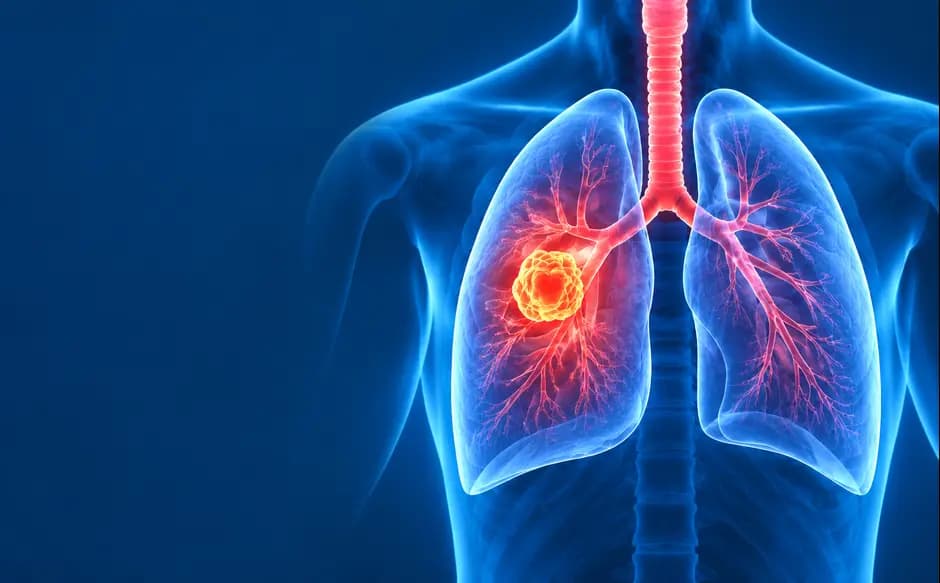
A 2025 study in lung cancer patients found PET-CT achieved 91.5% sensitivity, 93.75% specificity, and 92.13% overall accuracy for detecting nodal metastasis when checked against histopathology, the biopsy result, used as the gold standard.
The practical takeaway: even at roughly 92% accuracy, PET-CT is being measured against biopsy results, not the other way around. That reinforces biopsy's role as the reference standard for a cancer diagnosis, not a test PET-CT is meant to replace.


Can a PET Scan Replace a Biopsy?
No, a PET scan cannot replace a biopsy for a first-time cancer diagnosis. It can strongly suggest malignancy by showing abnormal metabolic activity, but only histopathology from a biopsy provides the confirmed diagnosis, cancer type, and grade needed to plan treatment.
There is one exception patients often ask about: in some monitoring scenarios, checking treatment response or recurrence in a patient already diagnosed with cancer, a PET scan alone may guide the next step without an immediate repeat biopsy. This is a decision made by the treating oncologist based on the individual case, not a general rule.
Which Comes First: PET Scan or Biopsy?
The typical clinical sequence starts with symptoms or an abnormal screening result, which leads to a PET-CT (or other imaging) to locate and assess the extent of suspicious areas. A targeted biopsy of the exact flagged site follows for tissue confirmation.
The reverse also happens: sometimes a biopsy is done first on an easily accessible lump, and a PET scan follows to check whether the confirmed cancer has spread, this is staging. The order is decided by the treating physician based on symptoms, tumour location, and how accessible the suspicious area is, not by a fixed protocol.
Cost Comparison in India
Exact prices vary by city, hospital accreditation, and factors like tracer or contrast type, so specific figures go stale quickly. In broad terms, PET-CT is generally the higher single-test cost, while biopsy cost depends heavily on the site and technique used, a straightforward needle biopsy typically costs less than a surgical biopsy.
There's also a practical insurance nuance worth knowing: many Indian insurers require a biopsy-confirmed diagnosis before approving cancer treatment under cashless claims. This is one reason a biopsy is rarely skipped, even after a clear PET scan result.
BMH's Approach to Cancer Diagnosis: Why It Matters for Patients
If your doctor has recommended a PET scan, a biopsy, or both, the next question is usually, where can I get this done accurately, and how quickly? NAVA Cancer Institute at BMH, Kozhikode, is built around a specific answer to that question: PET-CT (Discovery IQ 3-Ring) and image-guided biopsy are performed in the same radiology and nuclear medicine department, so patients aren't referred between separate facilities for imaging and tissue sampling.
Findings don't stop at the individual report, either. A weekly multidisciplinary tumour board brings medical, surgical, and radiation oncologists together to review PET-CT and biopsy results jointly before finalising a treatment plan, a concrete, checkable part of the process rather than a general claim of excellence.
BMH serves both domestic patients from across Kerala and North India, and international and NRI patients, supported by a dedicated international patient desk with connectivity to Gulf countries. Package-based cost estimates for PET-CT and biopsy are shared upfront, before treatment begins.
Have a PET scan or biopsy report and unsure what it means? Chat with BMH's care assistant to get it explained and find the right specialist.
Conclusion
A PET scan and a biopsy answer different questions. One shows where a suspicious area is and how metabolically active it looks; the other confirms what that tissue actually is. Most cancer diagnoses, in practice, use both, at different stages of the same workup.
If you're holding a PET scan or biopsy report right now, the most useful next step is to discuss it directly with an oncologist who can put the findings in context for your specific case. BMH's team is available to review PET-CT or biopsy reports and explain what they mean for next steps.
‘Have a PET scan or biopsy report and unsure what it means? Chat with BMH’s care assistant to get it explained and find the right specialist.’
Medical Disclaimer: This article is for general informational purposes only and is not a substitute for professional medical advice, diagnosis, or treatment. Always consult a qualified oncologist or physician regarding any medical condition, test results, or treatment decisions.