- English
- عربي / Arabic
- മലയാളം / Malayalam

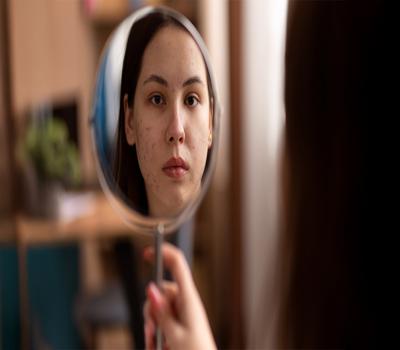
Acne has a way of showing up everywhere it shouldn’t. On the forehead before an important day. On the chin that refuses to heal. On the cheeks leaving marks behind. Everyone tries something first—home remedies, random creams, face washes suggested by friends. Sometimes acne improves. Many times, it doesn’t.
When acne keeps coming back or spreads despite trying everything, it becomes clear that guessing is not the solution. Understanding the right acne treatment and when to seek help makes a real difference.
Acne is not just a skin problem. It is influenced by hormones, oil production, clogged pores, bacteria, stress, diet, and even sleep.
Some people get acne during teenage years. Others face it well into adulthood. For many women, breakouts appear around periods. For some, stress or cosmetics trigger flare-ups.
This is why one product rarely works for everyone.
What acne usually looks like
Acne can appear in different forms. Some pimples stay small and red. Others turn into pus-filled bumps. Blackheads and whiteheads clog pores quietly. In some cases, deep painful nodules form under the skin.
The severity matters. Mild acne needs different care than moderate or severe acne. Treating all acne the same way often leads to frustration.
Home remedies sound safe and easy. But many of them irritate the skin more than they help.
Applying lemon, toothpaste, or harsh scrubs damages the skin barrier. This leads to more oil production and more breakouts. Overwashing strips natural oils and triggers rebound acne.
Good skin responds better to gentle, consistent care than quick fixes.
Acne treatment options that actually help
Effective acne treatment starts with understanding the type and severity of acne.
For mild acne, doctors often suggest topical creams that reduce oil, unclog pores, and control bacteria. These treatments take time. Results usually appear after a few weeks, not overnight.
Moderate acne may need a combination of creams and oral medicines. These reduce inflammation and prevent new breakouts.
Severe acne sometimes needs stronger medicines under medical supervision. These treatments control oil production and reduce long-term scarring.
The goal of acne treatment is not just to clear pimples, but to prevent marks and future flare-ups.
What acne treatment feels like in the beginning
Many people feel worried when treatment starts. Skin may feel dry or slightly irritated in the first few weeks. This is common and temporary.
Doctors usually guide how to moisturise properly and adjust usage if needed. Stopping treatment too early is one of the biggest reasons acne returns.
Patience plays a big role in success.
Role of diet, stress, and routine
Food does not cause acne directly, but it can influence breakouts in some people. Highly processed foods, sugary drinks, and irregular eating patterns may worsen acne.
Stress increases hormone levels that trigger oil production. Poor sleep affects skin healing.
Simple skin care tips like gentle cleansing, regular sleep, stress control, and avoiding picking pimples support treatment results.
When to see a dermatologist
If acne keeps returning, spreads, leaves marks, or affects confidence, it is time to seek professional help.
A dermatologist understands how acne behaves and chooses treatment based on skin type and lifestyle. Proper dermatology care prevents scarring and long-term skin damage.
Early care often shortens treatment duration and improves results.
Acne does not clear overnight. Improvement happens step by step.
With the right treatment plan, many people notice fewer breakouts, faster healing, and reduced marks over time. Following advice consistently matters more than switching products frequently.
Clear skin comes from steady care, not instant solutions.
Final words
Acne is common, but living with constant breakouts does not have to be normal. Guesswork and harsh remedies often make things worse.
Understanding what truly works, following proper acne treatment, and getting the right guidance help skin heal naturally. With patience, consistency, and the right approach, clear and healthy skin becomes achievable—not by magic, but by science and care.