- English
- عربي / Arabic
- മലയാളം / Malayalam

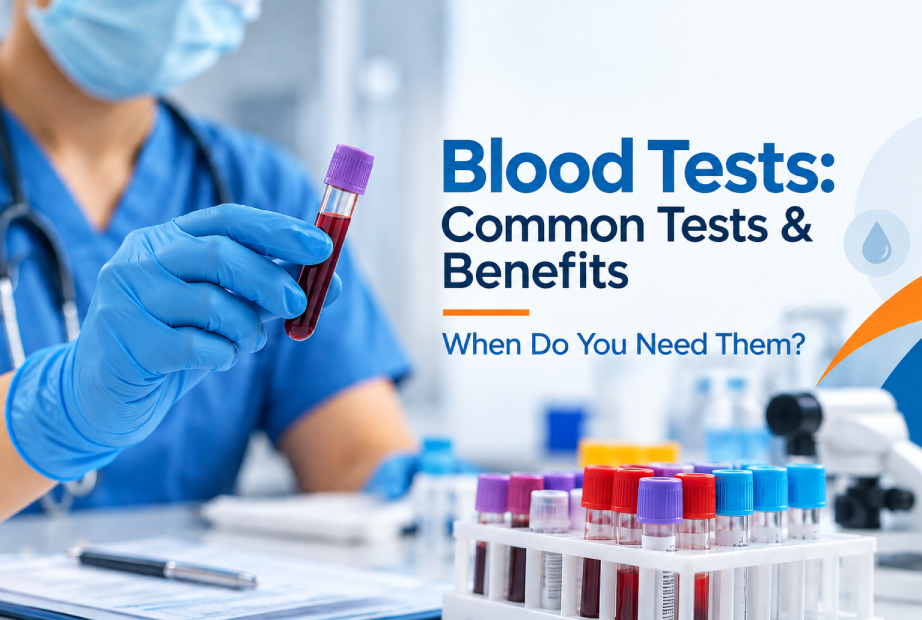
Blood tests help doctors investigate symptoms, monitor existing condition, and check how treatment is working. A small blood sample can provide information about blood cells, glucose, kidney function, and several other aspects of health. A long report does not automatically mean a more complete assessment, and an abnormal result does not always mean serious illness.
Understanding why a test is requested makes preparation easier and helps you know what to do when the report arrives.
You may need diagnostic blood tests for persistent tiredness, unexplained weight changes, fever, unusual bleeding, or symptoms that suggest a hormonal or metabolic problem. Tests can narrow the possibilities, but the doctor gives priority to your examination and medical history.
Blood testing is also used for establishing allergies. Someone taking certain medicines may need kidney or liver monitoring, while a person with diabetes may need regular glucose-related checks. Before an operation, selected tests can help the team plan care safely.
Routine blood tests should be chosen according to age, symptoms, risk factors, and existing conditions. There is no single panel that every person needs at the same interval.
A complete blood count, often called CBC, measures different types of blood cells. Hemoglobin and red cell measurements help assess anaemia. White cells are involved in immune responses, while platelets help the blood clot.
Mostly the pattern matters, more than one isolated number. A low hemoglobin result, for example, does not establish why anaemia has developed. Iron deficiency is one possibility, but there are others. Further tests and questions about diet, bleeding, medicines, and other illnesses may be necessary.
Do not start long-term supplements simply because a value is highlighted. Ask what the result suggests and whether the cause needs investigation.
Blood glucose tests measure the sugar level at a particular time. Depending on the question, the doctor may request a fasting sample, a random sample, or a specific test after taking a glucose drink. The preparation and meaning differ between these tests.
HbA1c gives an indication of average blood glucose over roughly two to three months. It is useful in diabetes assessment and monitoring, but some blood disorders, pregnancy-related situations, and other conditions can affect its interpretation. Your clinician will decide whether it is suitable.
An unexpected result may need confirmation. Bring previous reports so the doctor can see whether the level is changing rather than interpreting the latest numbers alone.
A lipid profile measures different blood fats, including cholesterol fractions and triglycerides. These results contribute to an assessment of cardiovascular risk alongside blood pressure, smoking, diabetes, age, and family history.
Not every lipid test requires fasting. Follow the instructions for your particular request, because a fasting sample may be needed in selected situations. If treatment is advised, ask what the target is and when the test should be repeated. A healthy-looking result in one area does not cancel other risk factors that still need attention.
Kidney-related blood tests may include creatinine, an estimated glucometer filtration rate, and electrolytes such as sodium and potassium. They can help assess kidney function and monitor medicines. Sometimes urine testing adds information that blood tests alone cannot provide.
A liver panel may include enzymes, bilirubin, albumin, and other measurements. Different results reflect different aspects of liver health, and an elevated enzyme does not automatically mean liver failure. Alcohol, medicines, infections, and metabolic conditions are among the factors a doctor may consider for elevated liver enzymes.
The next step can be repeat testing, take medicine and review, additional blood tests, or imaging. The choice depends on the pattern and your symptoms.
Thyroid tests help investigate whether the gland is producing an appropriate amount of hormone. They may be requested for symptoms such as unexplained weight changes, palpitations, persistent tiredness, or a known thyroid condition.
Iron studies, vitamin B12, and other nutrient tests are useful when there is a clinical reason. Testing every vitamin routinely is not necessary for everyone. Tell the laboratory and doctor about supplements, particularly biotin, because some can interfere with certain assays. Follow specific instructions about timing rather than stopping a prescribed treatment yourself.
Blood test packages can make practical sense when the included investigations match your needs. Before booking, compare the actual tests and whether a consultation to interpret them is included. A package with many measurements can still omit the one investigation your doctor requires.
If you already have symptoms, start with a clinical assessment. A screening package should not delay investigation for persistent fever, unexplained bleeding, or significant weight loss. Likewise, a previous normal package does not remove the need to assess new symptoms.
When searching for blood tests near me, consider sample handling, accessibility, reporting arrangements, and clinical follow-up as well as convenience.
Check whether fasting is required and, if so, for how long. Plain water is usually allowed during fasting, but follow the laboratory's instructions. Do not assume tea, coffee, juice, or a small snack will have no effect.
Ask how to manage diabetes medicines if you must miss breakfast. Take other medicines as directed, and disclose any recent illness or major change in treatment. For repeat monitoring, timing may matter, particularly if the sample is linked to a medicine dose.
Bring the test request, identification required by the facility, and earlier reports. Tell the person collecting blood if you have previously fainted or are anxious about needles; you may be able to lie down.
A trained professional cleans the skin, applies a band around the arm, and inserts a needle into a vein. You may feel a brief pinch. Several small tubes can be filled through the same needle when different analyses are required.
Afterwards, gentle pressure helps limit bruising. Keep pressure on for the time advised, especially if you take blood-thinning medicine. A small bruise can occur. Persistent bleeding, increasing swelling, or marked pain should be reported.
Ask when the results will be available. Different tests take different lengths of time, so the full report may not arrive all at once.
If you feel unwell while waiting for results, contact your treating team rather than waiting for every report to arrive. Testing supports clinical care but does not replace reassessment when symptoms change. Keep the date and name of the clinician responsible for reviewing the report.
A reference range is a guide, not a diagnosis. Healthy people can occasionally have values just outside it, while some illnesses are not excluded by normal blood tests. Results also need to be interpreted using the laboratory's units and methods.
Arrange the planned review rather than relying on highlighted flags or online comparisons. Ask which findings need action, which can be monitored, and when to repeat them. If the laboratory contacts you urgently about a result, follow the instructions promptly.
For laboratory services at BMH, confirm the prescribed tests, preparation, and report arrangements when booking. The value of testing comes from the decision it supports, whether that is reassurance, further investigation, or a change in treatment.