- English
- عربي / Arabic
- മലയാളം / Malayalam

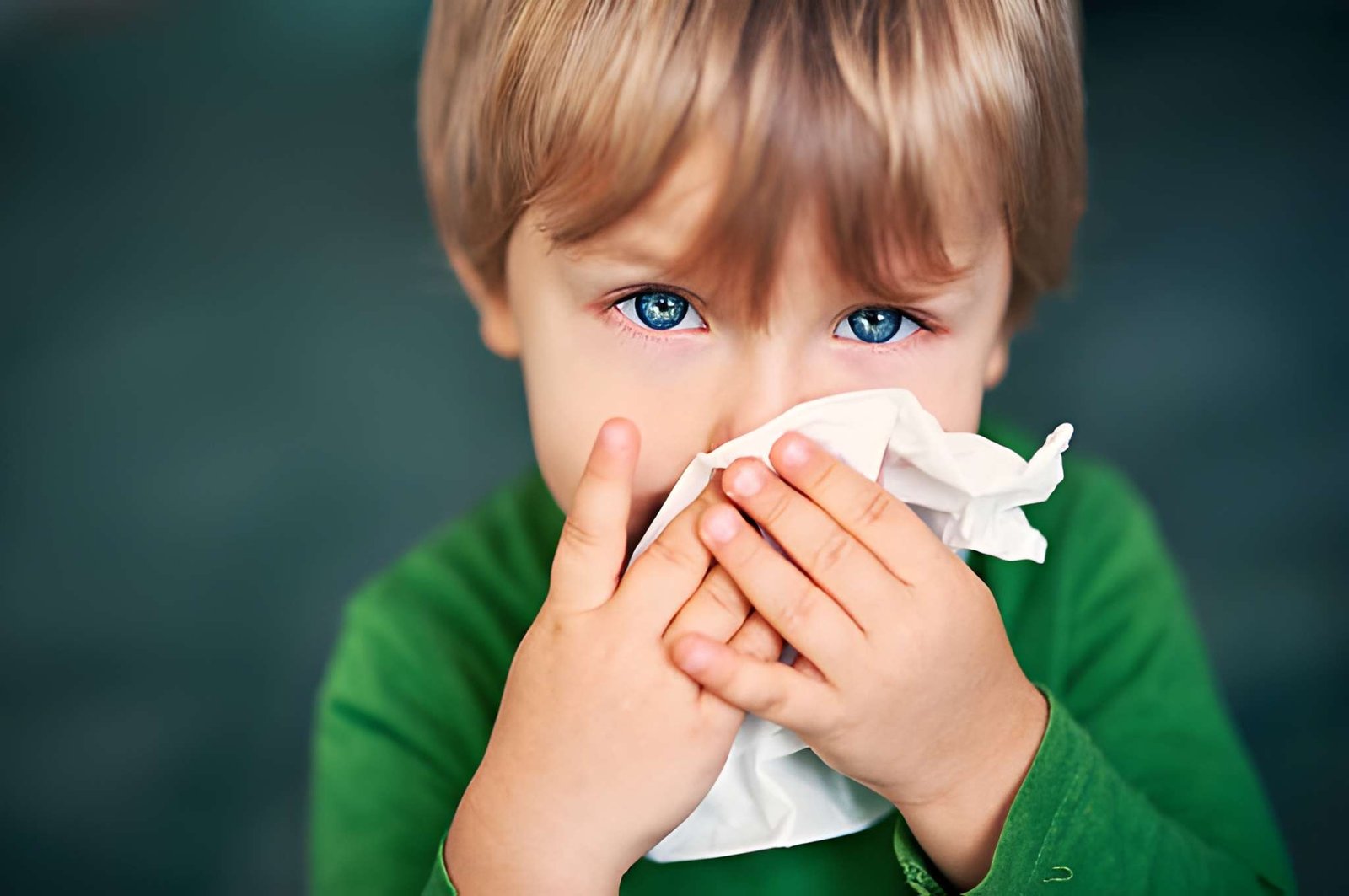
Children get infections more often than adults. It is a normal part of growing up.
Their immune system is still learning to recognise viruses, bacteria, and other germs. As a result, coughs, colds, fevers, sore throats, stomach infections, and ear infections are common during childhood.
Most of these illnesses improve with rest, fluids, and basic care. But not every infection follows the same path. Sometimes symptoms last longer than expected. Sometimes they become more severe. Knowing when to manage symptoms at home and when to seek a paediatrician consultation can help parents make timely decisions.
Children spend a lot of time around other children. Schools, playgrounds, daycare centres, and social gatherings create opportunities for germs to spread from one child to another. Young children also touch surfaces frequently and may not always follow proper hand hygiene.
This is one reason why a child who recently recovered from one infection may catch another a few weeks later. While this can be frustrating for parents, frequent minor illnesses do not automatically mean there is a serious health problem.
For many parents, fever is the first sign that something is wrong. A fever itself is not usually the illness. It is the body's response to an infection.
Many viral infections cause fever for a few days and then improve on their own. During this time, children may become less active, eat less, or sleep more than usual.
Child fever treatment depends on the cause, the child's age, and the overall condition of the child rather than the temperature alone.
A child with a mild fever who is drinking fluids, playing occasionally, and responding normally may simply need observation and supportive care.
The concern increases when fever is accompanied by other warning signs.
These are among the most common kids infections.
Children may develop:
Most improve within a week or two without specific treatment.
Some children develop pain inside the ear, particularly after a cold. Younger children may pull at their ears, become irritable, or have difficulty sleeping. A medical evaluation helps determine whether treatment is needed.
Vomiting and diarrhoea are common reasons for clinic visits. The biggest concern is usually dehydration rather than the infection itself. Children who are unable to keep fluids down may need prompt medical attention.
Sore throats can occur due to both viral and bacterial infections. Some children develop pain while swallowing, fever, swollen glands, or reduced appetite. A doctor may recommend further evaluation if symptoms are severe or persistent.
Not every fever or cough requires an immediate clinic visit. However, certain situations deserve professional evaluation. Consider a paediatrician consultation if:
Parents often know when their child is not behaving normally. That observation is important and should not be ignored.
Some symptoms require more immediate assessment. Seek medical care promptly if a child develops:
These situations should not wait for routine follow-up.
Many parents worry that every visit will lead to medicines or tests. That is not always the case. A doctor first tries to understand what is causing the symptoms. This usually includes:
Sometimes reassurance and observation are all that is needed. Sometimes treatment or further testing may be recommended.
The decision depends on the child's condition rather than a fixed rule.
No. Children will experience infections as they grow. The goal is not to eliminate every illness. That is not realistic. The goal is to reduce risk and recognise problems early. Simple measures help:
These habits support overall paediatric care and reduce the spread of common infections.
Most childhood infections improve without complications. A fever, cough, or cold is often part of normal childhood. The challenge is recognising when symptoms move beyond a simple infection and need medical attention. When in doubt, a paediatrician consultation can provide clarity. Early assessment helps parents understand what is happening, what to expect next, and whether any treatment is required. Good paediatric care is not only about treating illness. It is also about guiding families through the many questions that come with raising healthy children.
Young children may experience several infections each year, especially after starting school or daycare. Frequent colds alone do not necessarily indicate a weak immune system.
A fever should be evaluated if it lasts for several days, becomes very high, or is accompanied by breathing difficulty, dehydration, unusual drowsiness, or seizures.
No. Antibiotics work against bacterial infections, not viral illnesses. Your doctor will decide whether antibiotics are necessary based on the cause of the infection.
Dry mouth, reduced urination, absence of tears while crying, extreme tiredness, and sunken eyes can be signs of dehydration.
A cough should be assessed if it lasts for a long time, interferes with breathing, causes wheezing, or is associated with high fever or poor feeding.
Most common childhood infections do not affect long-term growth. However, frequent severe illnesses should be discussed with a doctor.
Ensure adequate fluids, rest, nutritious food, and follow the treatment plan advised by your doctor. Monitor symptoms and seek medical help if they worsen.