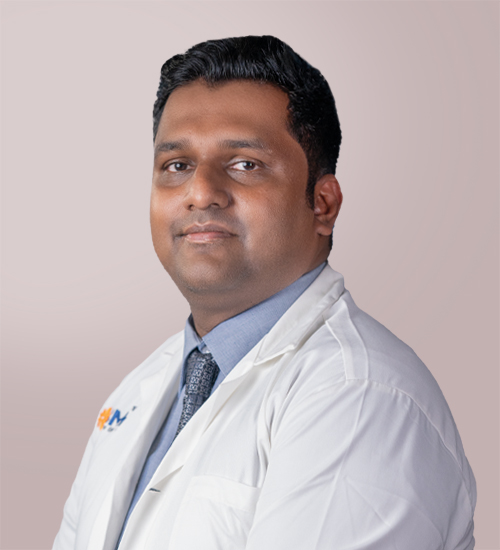
Published with the inputs from Dr Krishna Kumar K S, Senior Consultant & Chief, Plastic, Aesthetic And Reconstructive Surgery, Baby Memorial Hospitals- Kozhikode
Microvascular surgery is a specialized surgical technique performed under a microscope to reconnect very small blood vessels and nerves, usually less than 3 mm in diameter. It is most commonly used in reconstructive surgery to transfer tissue (flap surgery), repair nerves, reattach amputated parts, and restore both form and function after trauma, cancer surgery, or birth defects.
What is microvascular surgery?
It is a technique where surgeons use a high-powered microscope and delicate instruments to repair or connect tiny blood vessels and nerves. This allows transplanted tissue (flaps) or reattached parts to receive proper blood supply and survive.
When is microvascular surgery needed?
It is often performed in cases such as:
Reconstructive surgery after cancer removal (head, neck, breast, limbs)
Trauma repair, including replantation of amputated fingers, hands, or limbs
Complex wound coverage where skin grafts are not enough
Peripheral nerve repair or grafting
Congenital defect correction in children
Is microvascular surgery safe?
Yes. Microvascular surgery has high success rates when performed in advanced centers. Risks include flap failure, infection, or clotting of small vessels, but with modern techniques and close monitoring, these are rare.
What are the benefits of microvascular surgery?
Restores both appearance and function after trauma or cancer surgery
Allows transfer of healthy tissue (skin, muscle, bone) from one body part to another
Saves limbs that might otherwise require amputation
Improves quality of life with long-term, durable reconstruction
How long is recovery after microvascular surgery?
Hospital stay: usually 7–10 days, depending on the surgery type
Initial healing: 2–4 weeks
Full recovery: 2–3 months, with physiotherapy if nerves or limbs are involved
Close follow-up is essential to monitor blood flow to the transplanted tissue
What is the difference between flap surgery and microvascular surgery?
Flap surgery involves moving tissue from one part of the body to another.
Microvascular surgery is the technique used to connect the tiny blood vessels and nerves of that flap to the new site.
Together, they form the basis of modern reconstructive surgery.
Connect with Our Experts Today
If you or a loved one requires reconstruction after cancer, trauma, or limb-saving procedures, the Plastic, Reconstructive & Microvascular Surgery Team at Baby Memorial Hospital (BMH) offers advanced microvascular surgery with expert care and precision for the best possible outcomes.
👉 Book an Appointment Online or visit BMH to consult our microvascular surgery specialists.
We use cookies to enhance your browsing experience and provide personalized content.
By continuing to use our website, you consent to our use of cookies.
Read our Cookie Policy