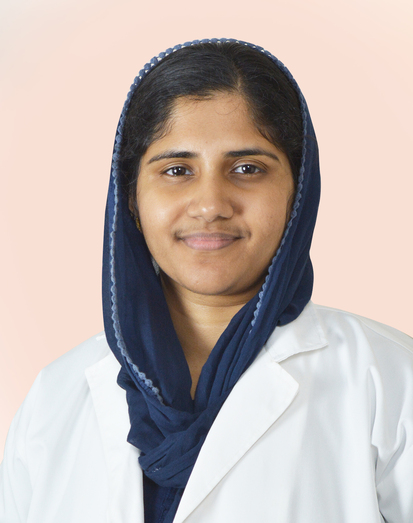
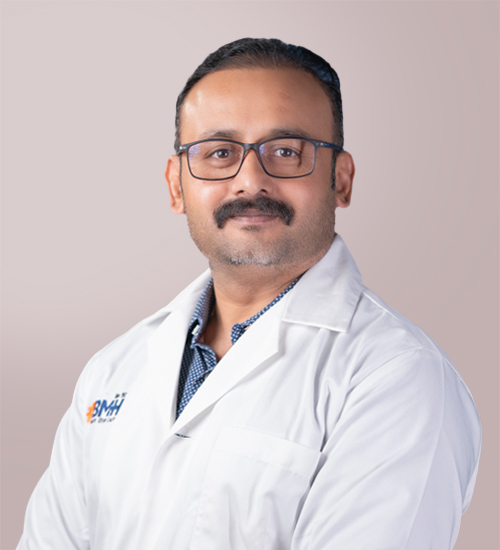
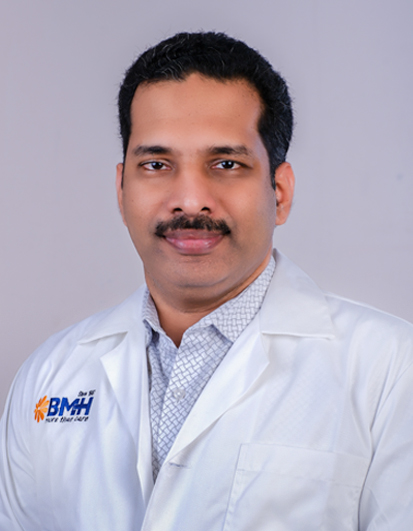
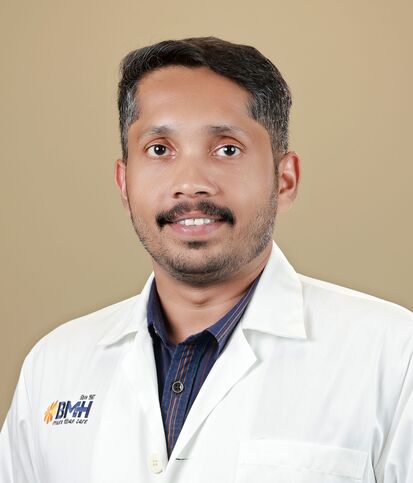
Published with the inputs from Dr Shikhil P, Endocrine Surgeon, Baby Memorial Hospitals - Kozhikode
Parathyroidectomy is a surgical procedure to remove one or more of the parathyroid glands, which regulate calcium balance in the body. It is most often performed to treat hyperparathyroidism, a condition where the glands produce excessive parathyroid hormone (PTH), resulting in high calcium levels (hypercalcemia). Surgery remains the most effective and definitive cure for this condition when performed by a specialist Surgeon.
What is parathyroidectomy?
Parathyroidectomy involves the removal of one or more abnormal parathyroid glands to restore normal calcium and hormone balance.
Depending on the condition, the procedure may involve removal of:
A single adenoma (the most common cause)
Multiple enlarged glands in cases of hyperplasia or secondary hyperparathyroidism
When is parathyroidectomy needed?
Your doctor may recommend surgery if you have:
Primary hyperparathyroidism– due to a benign adenoma or hyperplasia
Secondary or tertiary hyperparathyroidism – often seen in patients with chronic kidney disease
Symptoms or complications such as:
Kidney stones
Osteoporosis or bone pain
Abdominal pain, fatigue, mood changes, or muscle weakness
Very high blood calcium levels not responding to medical therapy
Parathyroidectomy is curative in over 95% of cases when performed by experts.
How is parathyroidectomy performed?
1. Open parathyroidectomy / Minimally Invasive Parathyroidectomy (MIP)
The targeted gland is removed using delicate instruments.
Intra-operative PTH (IOPTH) assay confirms successful removal — a rapid blood test done during surgery showing a >50% drop in PTH within 10–15 minutes, ensuring cure before closing the incision.
2. Bilateral Exploration / Open Parathyroidectomy
Used when imaging is inconclusive or multiple glands are abnormal.
All four glands are examined, and only the diseased ones are removed.
Occasionally, a small portion of healthy parathyroid tissue is re-implanted in the neck or forearm (autotransplantation) to maintain calcium balance.
Advanced Safety Techniques
Modern endocrine surgery incorporates the latest technology to enhance precision and safety:
Intra-operative Nerve Monitoring (IONM): Helps identify and protect the recurrent laryngeal nerve that controls voice during surgery.
Intra-operative PTH Monitoring: Confirms real-time success of gland removal and reduces the need for re-exploration.
Magnification & Energy Devices: Allow meticulous dissection and minimize tissue trauma.
Is parathyroidectomy safe?
Yes. It is a safe, standardized, and highly successful operation in experienced hands.
Potential risks, though rare, include:
Temporary or permanent low calcium levels (hypocalcemia)
Hoarseness due to temporary vocal-cord nerve irritation
Minor bleeding or infection. These are minimized when performed by specialist Surgeons using modern intra-operative monitoring.
What is recovery like after parathyroidectomy?
Hospital stay: Most patients are discharged within 48 hours
Pain: Mild, managed with simple painkillers
Activities: Resume normal activities within 5-7 days
Supplements: Temporary calcium and vitamin D may be prescribed
Follow-up: Blood calcium and albumin checked at 2 weeks and periodically thereafter
What are the benefits of parathyroidectomy?
Normalization of calcium and PTH levels
Relief from symptoms like bone pain, fatigue, kidney stones
Improved bone density and reduced fracture risk
Better long-term quality of life
Can parathyroid problems come back after surgery?
Recurrence is rare but possible. Lifelong follow-up with calcium and hormone monitoring is advised.
Connect with Our Experts Today
If you have been diagnosed with hyperparathyroidism or parathyroid gland problems, the Endocrine Surgery Team at Baby Memorial Hospital (BMH) provides advanced parathyroidectomy procedures with minimally invasive techniques, safe outcomes, and comprehensive follow-up care.
👉 Book an Appointment Online or visit BMH to consult our endocrine specialists.
We use cookies to enhance your browsing experience and provide personalized content.
By continuing to use our website, you consent to our use of cookies.
Read our Cookie Policy