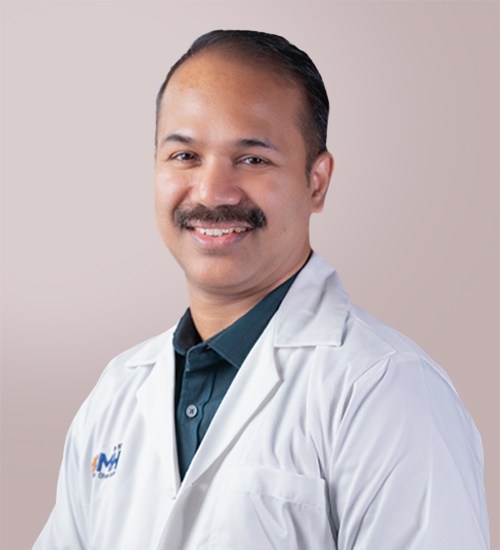
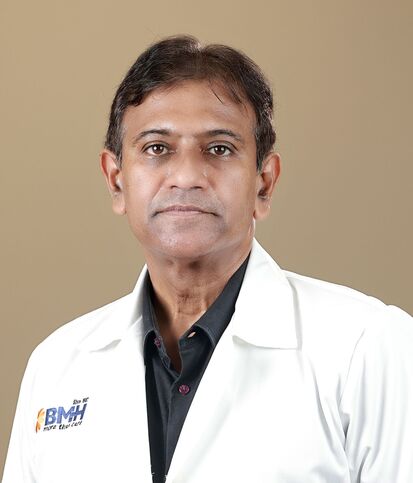
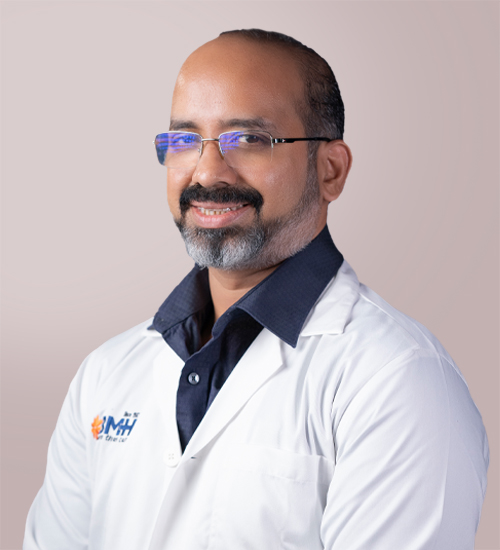
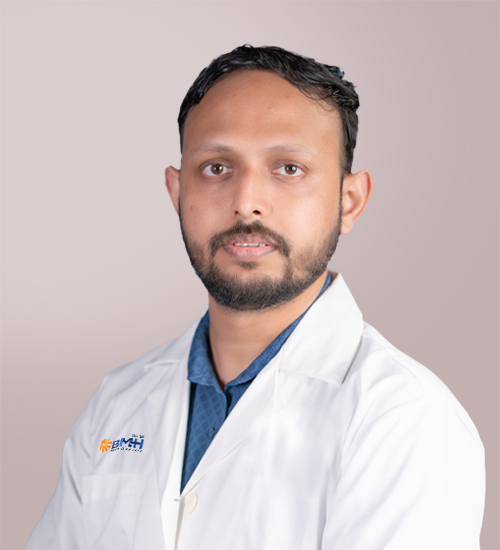
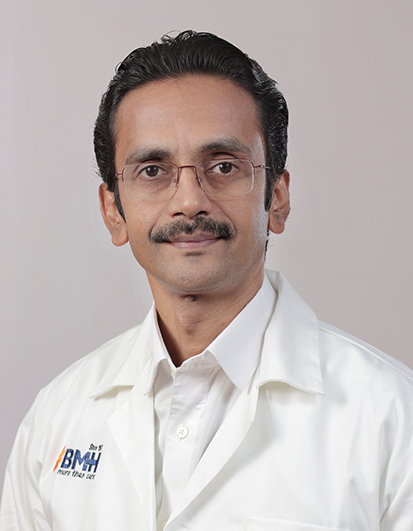
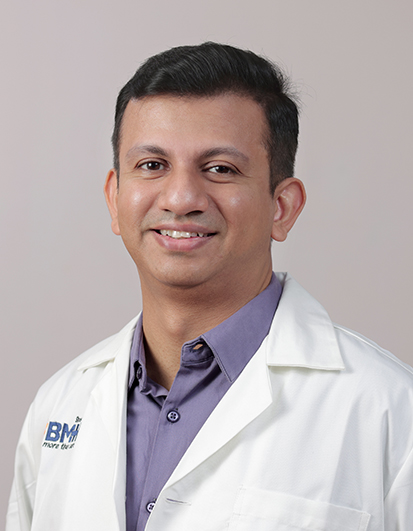
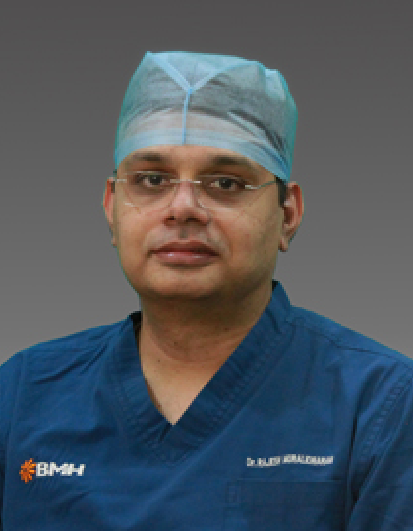
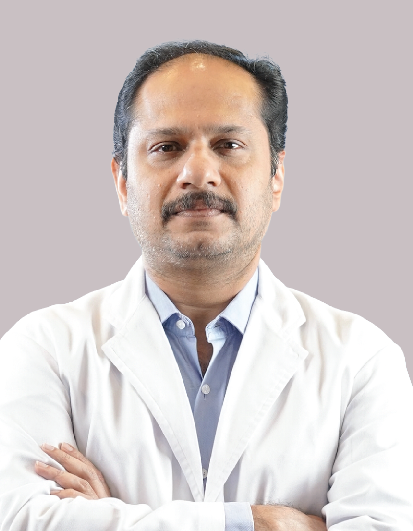
Published with the inputs from Dr Ranjish A T, Senior Consultant, Vascular Surgery, Baby Memorial Hospitals- Kozhikode
Peripheral angioplasty is a minimally invasive procedure used to open blocked or narrowed arteries outside the heart, most commonly in the legs (peripheral artery disease – PAD). By restoring blood flow, angioplasty relieves pain, improves mobility, and prevents complications like ulcers or gangrene and amputation (major limb loss)
What is peripheral angioplasty?
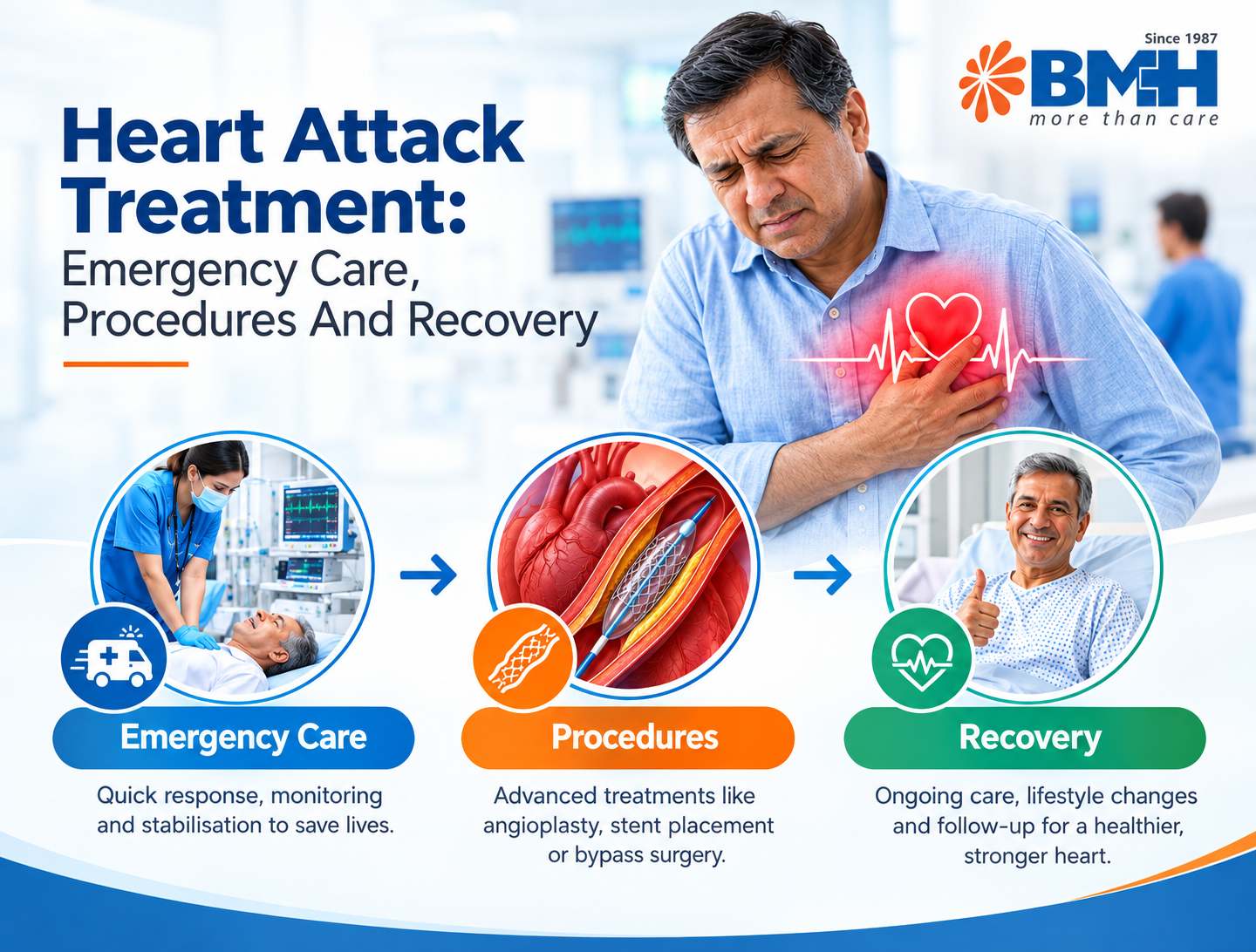
Peripheral Angioplasty is a minimally invasive procedure to open narrowed or blocked arteries by inflating a small balloon inside the artery. Sometimes a stent (metal mesh tube)to places to keep the artery open.
Why is peripheral angioplasty done?
It is performed to treat peripheral artery disease (PAD), which causes reduced blood flow to the legs. Symptoms include:
Leg pain or cramps while walking (claudication), Rest Pain
Numbness, weakness, or heaviness in the legs
Non-healing wounds or ulcers on feet/toes
Risk of limb-threatening gangrene if untreated leading to amputation.
How is peripheral angioplasty performed?
A thin catheter is inserted through a small pin hole puncture in the groin or wrist
The catheter is guided to the blocked artery under fluoroscopic x ray guidance
Lesion crossed with a wire
A balloon is inflated to widen the artery, and a stent may be placed
The procedure usually takes 1–2 hours and is done under local anesthesia or with sedation
Is peripheral angioplasty safe?
Yes. It is a safe and commonly performed procedure. Risks like bleeding, infection, or re-narrowing of the artery (restenosis) are possible but minimized in advanced cardiac centers.
What is recovery like after peripheral angioplasty?
Most patients are discharged within 24-48 hours
Walking is encouraged soon after the procedure
Return to normal activities in a few days
Medications (blood thinners, cholesterol-lowering drugs) are needed to maintain artery health
Is angioplasty better than bypass surgery for blocked leg arteries?
Angioplasty: Minimally invasive, faster recovery, less hospital stay — ideal for many patients
Bypass surgery: Recommended in very severe or long blockages
The choice depends on the extent of artery disease, patient health, and surgeon’s advice.
What lifestyle changes are needed after angioplasty?
Stop smoking
Maintain a healthy diet and exercise routine
Control diabetes, blood pressure, and cholesterol
Take prescribed medicines regularly
These changes help prevent further blockages.
Follow up at regular intervals
Connect with Our Experts Today
If you are experiencing leg pain, non-healing wounds, or other symptoms of poor circulation, the Cardiology & Vascular Intervention Team at Baby Memorial Hospital (BMH) offers advanced peripheral angioplasty and stenting with expert care and long-term support.
We use cookies to enhance your browsing experience and provide personalized content.
By continuing to use our website, you consent to our use of cookies.
Read our Cookie Policy