- English
- عربي / Arabic
- മലയാളം / Malayalam

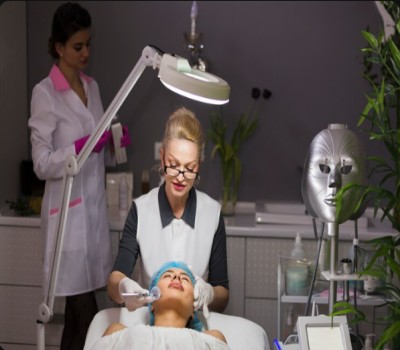
Healthy skin is more than just appearance. It protects the body, regulates temperature, and acts as a barrier against infection. Which is why it is important to look after it, not just to look beautiful but to protect your body.
Dermatology and cosmetology bring together medical science and aesthetic care to treat skin diseases while also improving skin texture, tone, and confidence. Many people think dermatology is only about beauty treatments. In reality, a qualified skin specialist manages conditions such as acne, eczema, psoriasis, pigmentation disorders, hair loss, fungal infections, and even skin cancer. Cosmetic procedures are often added once the skin is medically stable.
What Does Clinical Dermatology Treat?
Clinical dermatology focuses on diagnosing and treating diseases of the skin, hair, and nails. A proper consultation usually includes a detailed history, examination under proper lighting, and sometimes laboratory tests or skin biopsy.
Common concerns include:
Treatment is based on medical evaluation, not guesswork. Creams, oral medications, lifestyle adjustments, and targeted procedures may be recommended depending on severity.
For example, acne treatment is not just about applying a face wash. Hormonal balance, diet, stress levels, and skincare habits all influence breakouts. Early medical care reduces scarring and long-term pigmentation.
When Does Cosmetology Come In?
Cosmetology addresses concerns related to appearance after medical issues are controlled or when there is no underlying disease. It falls under the broader field of aesthetic medicine, which includes scientifically approved procedures to enhance skin quality.
Common cosmetic concerns include:
These treatments aim to refresh and restore rather than drastically alter natural features.
Understanding Chemical Peels
One commonly misunderstood procedure is the chemical peel. It is a controlled application of a medical-grade solution that gently removes the outer layer of damaged skin. This encourages new, healthier skin to surface.
Chemical peels can help with:
The strength of the peel depends on the skin type and concern being treated. A trained skin specialist evaluates suitability to prevent complications such as irritation or excessive peeling.
Mild redness after the procedure is common and usually settles within a few days.
Acne Treatment: A Medical Approach
Acne affects teenagers and adults alike. It may appear as blackheads, whiteheads, painful cysts, or deep nodules. Delayed treatment can lead to permanent scars.
A proper acne treatment plan may include:
Self-medication or overuse of cosmetic products often worsens inflammation. A structured plan guided by a professional gives better long-term results.
Hair and Scalp Concerns
Hair thinning and hair fall are common reasons people visit a dermatology clinic. Causes may include nutritional deficiencies, hormonal imbalance, stress, thyroid issues, or genetic factors.
Evaluation often involves blood tests and scalp examination. Treatment may include topical medication, oral supplements, platelet-rich plasma therapy, or lifestyle changes.
Addressing the underlying cause is more effective than relying only on cosmetic hair products.
Safety in Aesthetic Medicine
Modern aesthetic medicine uses evidence-based techniques and approved equipment. Procedures such as laser therapy, fillers, botulinum toxin injections, and skin resurfacing are performed after proper assessment.
Safety depends on:
Patients should feel comfortable asking about risks, recovery time, and expected outcomes before undergoing any procedure.
What to Expect During Consultation
A dermatology consultation begins with understanding your concern, medical history, and skincare routine. Photographs may be taken for documentation and progress tracking.
The doctor explains treatment options, expected results, possible side effects, and follow-up needs. Clear communication helps set realistic expectations.
Skin improvement often takes time. Consistency and patience are important parts of the process.
Balancing Medical Care and Cosmetic Goals
The foundation of good skin lies in health. Treating infections, inflammation, or hormonal imbalance is the first priority. Cosmetic enhancement is more effective once the skin condition is stable.
This integrated approach ensures that results are both safe and lasting.
When to See a Skin Specialist
Consider consulting a dermatologist if you notice:
Early evaluation prevents complications and reduces the need for aggressive treatments later.
A Clear Perspective
Dermatology and cosmetology work together to support skin health and appearance. Clinical care treats disease and protects long-term skin function. Cosmetic procedures refine texture and tone once the skin is healthy.
When guided by a qualified skin specialist, treatments are tailored to individual needs rather than trends. Informed decisions, realistic expectations, and consistent care create results that are not only visible but sustainable.