- English
- عربي / Arabic
- മലയാളം / Malayalam

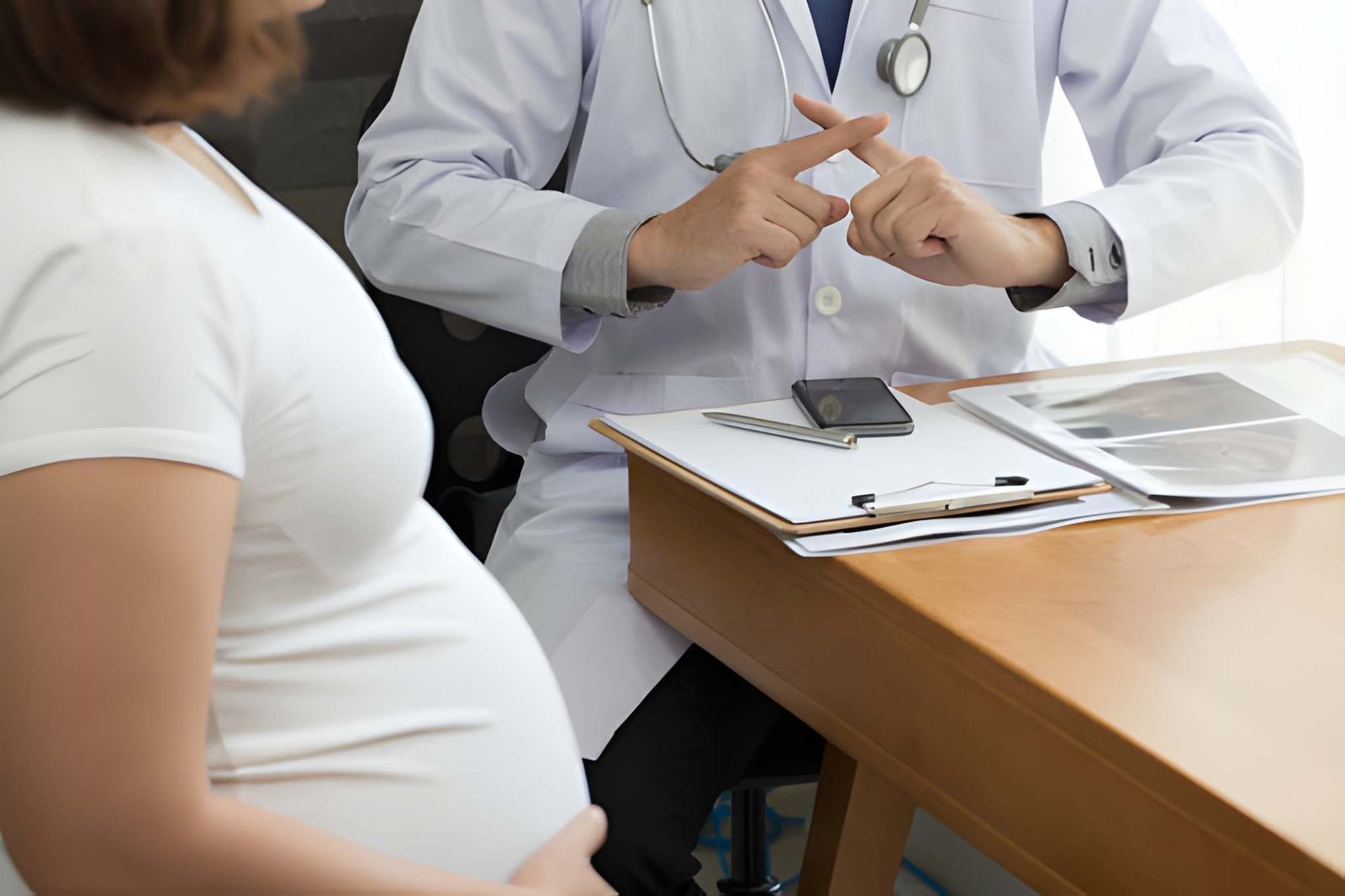
A high-risk pregnancy is a pregnancy where the mother, the baby, or both have a higher chance of developing health problems before, during, or after delivery. It does not mean that something will definitely go wrong. It simply means the pregnancy needs closer monitoring and more specialised care to reduce risks and achieve the safest possible outcome.
A woman’s pregnancy may be classified as high-risk because of her medical history, age, existing health conditions, or certain issues that develop during pregnancy. Some pregnancies are high-risk from day one, and some might become later in the journey.
Common factors include:
In some other cases, the mother may be completely healthy before pregnancy but develop complications later.
The goal of high-risk pregnancy management is not simply to identify problems. It is to identify them early enough to prevent serious complications. Some of the most common pregnancy complications include:
This is a condition where mother’s blood sugar levels rise abruptly. If not controlled properly, this fluctuation may increase the baby's birth weight and raise delivery-related risks.
Fortunately, this situation is easily manageable and even many women manage it successfully too through diet, exercise, monitoring, and medication when required.
Sudden fluctuation in Blood pressure during pregnancy should be monitor carefully. Preeclampsia is a condition that can affect multiple organs and may become dangerous for both mother and baby if not recognised early. Regular antenatal visits help detect these changes before they become severe.
Some pregnancies carry a higher risk of delivering before 37 weeks. And this is a real threat that could influence mother’s mental health. Gynae monitor signs of early labour and may recommend treatments that help prolong pregnancy when possible. It is becoming very common nowadays but advancement in medical science has helped in these early deliveries.
Sometimes babies grow more slowly than expected inside the womb. Regular ultrasounds help doctors track growth patterns and ensure the baby is receiving enough oxygen and nutrients.
The process usually starts during routine antenatal care. An obstetrics specialist reviews:
More tests may be advised by the gynae depending on the circumstances.
All these tests help doctors understand how pregnancy is progressing further and whether any intervention of them may require or not. The earlier risks get identified, the more options doctors have in hand to manage the issue.
Many women imagine hospital admissions and strict bed rest when they hear the term high-risk pregnancy. In reality, management often involves closer monitoring rather than major restrictions. The care plan may include:
The purpose is simple: identify changes early and respond before they become serious.
No, clearly no, if the issue is not related to the delivery complications, then doctor often do not advise caesarean. Many women with properly managed high-risk pregnancies still deliver vaginally. The delivery method depends on:
The decision is usually made closer to delivery based on how the pregnancy develops.
Regular doctor visits, repeated scans and lots of tests obviously create emotional pressure on mothers. And these things create anxiety and tension in mother’s mind. But clear communication coming from doctors can provide real assurance which further relax mother and family too. Understanding why tests are being performed and what doctors are monitoring can make the whole process feel more handled. Clear communication help in maintaining good maternal health as well as transparent medical treatment.
Many healthy habits of mothers can support pregnancy outcomes. Commonly advise by doctors:
Small daily habits often play a significant role throughout pregnancy.
Certain symptoms should never be ignored during pregnancy, especially in high-risk situations. Seek medical attention if you experience:
High-risk pregnancy is just a case of extra monitoring and specialised care. It does not always mean the bad news. A high-risk pregnancy just means that it requires closer observation, timely intervention, and extra care. Advanced high-risk pregnancy management focuses on identifying risks early and responding quickly when needed.
With the help and guidance of an experienced obstetrics specialist, many women with high-risk pregnancies happily deliver healthy babies.
In some cases, yes. Certain risk factors can improve with proper treatment and monitoring. However, doctors may still continue closer observation throughout the pregnancy.
Not necessarily. Many women over 35 have healthy pregnancies. However, age can increase certain risks, which is why doctors usually recommend closer monitoring.
The frequency depends on the specific condition being monitored. Some women may need slightly more frequent visits, ultrasounds, or tests compared to routine pregnancies.
It depends on the type of risk involved. Some women can continue safe physical activity, while others may need restrictions. Always follow your doctor's advice.
Long-term stress may affect sleep, blood pressure, and overall well-being. Managing stress through rest, support systems, and proper medical guidance can be helpful.
Not always. Many babies born from high-risk pregnancies are completely healthy. The need for special care depends on the specific pregnancy complication and the baby's condition at birth.
Women with existing medical conditions, previous pregnancy complications, recurrent miscarriages, multiple pregnancies, or concerns identified during routine check-ups may benefit from consultation with an obstetrics specialist.