
- English
- عربي / Arabic
- മലയാളം / Malayalam

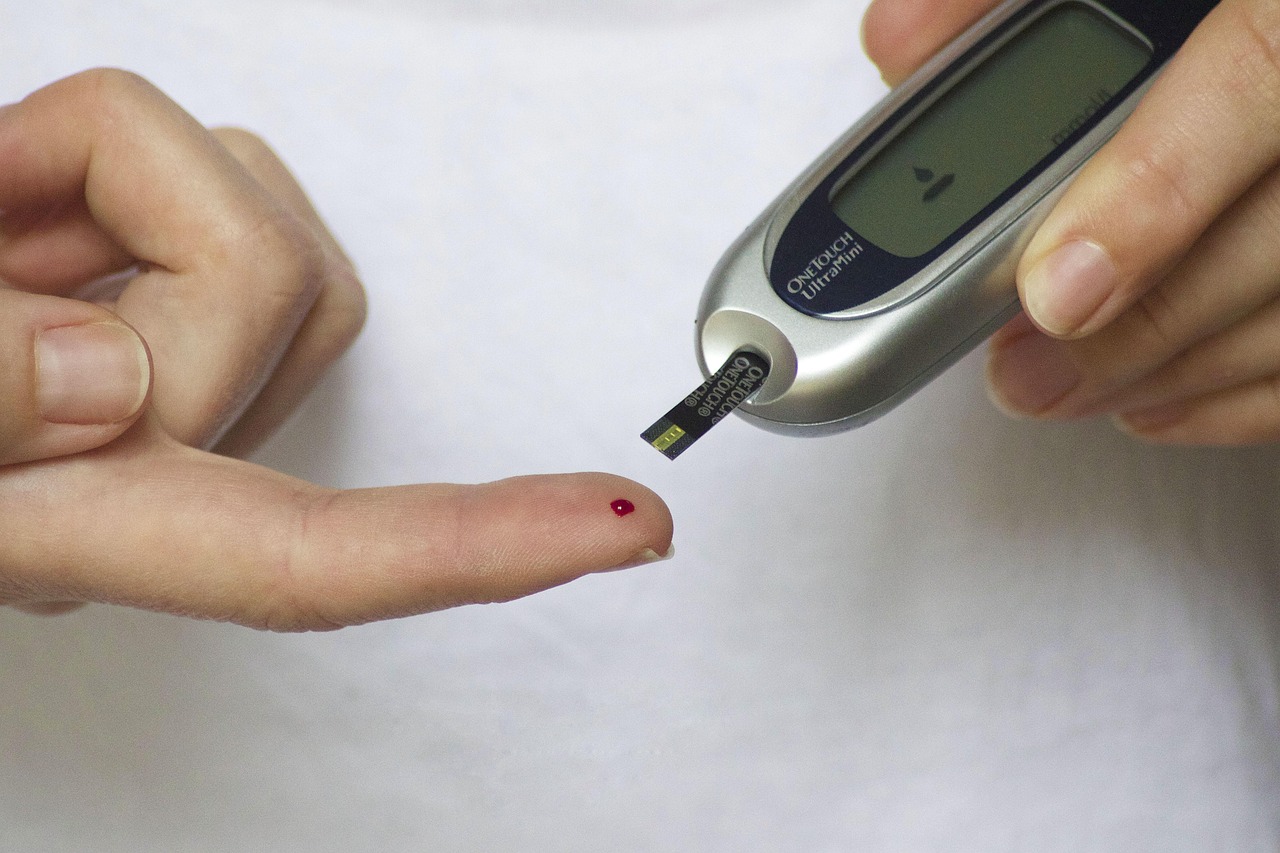
Diabetes affects how the body handles blood sugar. When blood sugar remains high for long periods, it can gradually damage blood vessels and nerves throughout the body. The changes are often slow. Many people feel well for years. Yet inside the body, organs such as the kidneys, eyes, heart, and nerves may be under strain. What follows explains the complications doctors watch for, why they happen, how they are detected, and what can be done to reduce the risk.
Every organ depends on healthy blood vessels.
When blood sugar stays above the target range over months or years, the lining of these vessels can become damaged. Smaller vessels are often affected first. This is why doctors pay close attention to the eyes and kidneys in people living with diabetes.
Larger arteries can also be affected. This increases the risk of heart disease, stroke, and circulation problems in the legs.
The important point is that complications do not appear suddenly. They usually develop gradually, which creates an opportunity to detect them early and slow their progression.
The kidneys act as the body's filtration system.
They remove waste products, regulate fluid balance, and help control blood pressure. High blood sugar can damage the tiny filtering units inside the kidneys. This condition is called diabetic nephropathy.
In the early stages, most people notice nothing unusual.
There is usually no pain.
No obvious warning sign.
The first clue often appears in a urine test that detects small amounts of protein leaking into the urine.
Because early kidney disease is often silent, regular testing becomes important. Detecting changes early allows treatment and lifestyle adjustments that may help protect kidney function for longer.
The small blood vessels inside the retina are particularly sensitive to high blood sugar levels.
Over time, they may leak, swell, or become damaged. This condition is known as diabetic retinopathy.
Vision may remain normal during the early stages.
That is what makes regular eye examinations so valuable.
Many people are surprised to learn that significant retinal changes can occur before vision is affected. A detailed eye examination allows doctors to identify problems before they begin interfering with sight.
Nerves carry messages between the brain and the rest of the body.
Long-term diabetes can affect these nerves, particularly in the feet and legs.
Some people notice tingling.
Others describe burning sensations, numbness, or reduced sensation.
Because feeling becomes less reliable, small injuries may go unnoticed. A minor cut or blister can become a larger problem if it is not recognised and treated promptly.
This is why foot care remains an important part of diabetes management.
Most people associate diabetes with blood sugar.
Doctors think about blood vessels too.
Diabetes increases the risk of narrowing and hardening of arteries throughout the body. Heart attacks, strokes, and circulation problems become more likely when diabetes is combined with high blood pressure, smoking, obesity, or abnormal cholesterol levels.
Managing diabetes therefore involves much more than controlling glucose alone.
All of these influence long-term outcomes.
Complications are easier to manage when they are found early.
This is why regular follow-up visits include more than a blood sugar check.
Your doctor may recommend:
Each test provides information about a different organ system.
Together, they create a clearer picture of overall health.
Not every complication can be prevented completely.
Many, however, can be delayed, slowed, or reduced through consistent management.
The strongest protection comes from maintaining blood sugar levels as close to target as possible.
Other measures matter too.
The benefit of these steps often becomes visible over years rather than weeks, but the long-term effect can be significant.
Do not wait for your next routine appointment if you notice:
These symptoms do not always indicate a serious complication, but they deserve timely assessment.
Diabetes management sometimes requires support from multiple specialists.
An endocrinologist focuses on hormone and blood sugar control. Eye specialists monitor retinal health. Kidney specialists become involved when kidney disease progresses.
Seeking endocrinologist advice does not mean complications are already present. Often it helps optimise treatment and reduce future risk.
Most diabetes complications develop quietly.
That can sound worrying, but it also explains why regular monitoring is so effective. Kidney disease, eye disease, nerve damage, and cardiovascular problems often provide opportunities for early detection before major symptoms appear.
Living with diabetes is not only about today's blood sugar reading. It is also about protecting the organs that support health over the years ahead. Regular testing, steady treatment, healthy habits, and ongoing follow-up all play a role in reducing the risk of long-term organ damage.
Yes. Many diabetes-related complications develop slowly and may not cause noticeable symptoms in the beginning. This is why regular check-ups, eye examinations, kidney tests, and blood sugar monitoring remain important even when you feel well.
Diabetic nephropathy is a kidney condition caused by long-term damage to the small blood vessels inside the kidneys. It often develops gradually and may not cause symptoms during the early stages, which is why routine urine and kidney function tests are recommended.
Diabetic retinopathy occurs when high blood sugar damages the blood vessels in the retina, the light-sensitive tissue at the back of the eye. Early stages may not affect vision, but regular eye screening can help detect changes before vision problems develop.
The frequency depends on your health status and your doctor's advice. In general, people with diabetes should have regular retinal examinations because eye complications can develop without obvious symptoms.
Yes. Maintaining blood sugar levels within the target range is one of the most effective ways to reduce the risk of long-term diabetes complications. Blood pressure control, cholesterol management, exercise, and healthy eating also play important roles.
Diabetes can affect nerve function and blood circulation in the feet. As a result, cuts, blisters, or injuries may go unnoticed and heal more slowly. Regular foot inspection helps identify problems early.
You should seek prompt medical advice if you experience sudden vision changes, chest pain, worsening numbness, severe swelling, breathing difficulty, or wounds that are not healing properly. Early evaluation can help prevent further complications.