- English
- عربي / Arabic
- മലയാളം / Malayalam

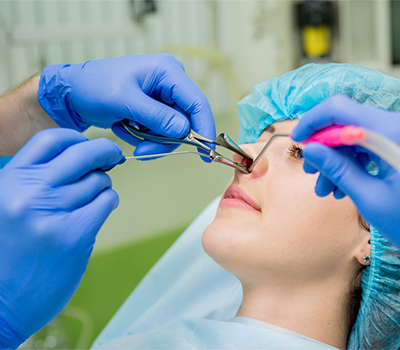
Deciding on sinus surgery is a concrete decision. It is about breathing through the nose without effort. It is about ending the cycle of congestion, pressure, post-nasal drip, and smell loss that keeps returning. It is about fewer infections. It is about sleeping without mouth-breathing. It is about getting results after months of sprays, rinses, and antibiotics that did not hold.
In the operating room, the outcome is set by decisions you do not see. Whether the diagnosis is truly chronic rhinosinusitis or something else. Whether disease is limited to one sinus or spread across several. What the CT shows. What nasal endoscopy shows. Which drainage pathways are narrowed. Whether polyps are present. Whether the septum blocks access. Whether the surgeon preserves mucosa while opening the right areas. These are not cosmetic details. Errors here produce specific problems: persistent symptoms, bleeding, infection, scarring that re-blocks openings, and the need for revision surgery.
Sinus surgery exists to restore drainage and ventilation in a controlled way. It does not “cure” inflammation by itself. It creates access and airflow so medical therapy can work better afterward.
When an ENT consultation leads to sinus surgery
A competent ENT consultation does not jump from symptoms to surgery. It verifies the diagnosis first.
Chronic rhinosinusitis is typically defined by at least 12 weeks of symptoms (such as nasal blockage, nasal drainage, facial pressure, reduced smell) plus objective evidence on nasal endoscopy or CT.
Surgery is usually considered when: symptoms and quality of life remain poor despite appropriate medical therapy, objective disease is present on endoscopy/CT, and anatomy or polyp burden makes durable drainage unlikely without intervention.
Types of sinus surgery
Most “sinus surgery” today means endoscopic techniques through the nostrils. No facial cuts. The differences are in what gets opened and how.
1) Endoscopic sinus surgery (often called FESS)
This is the standard operation for chronic rhinosinusitis and polyps when surgery is indicated. The goal is to open the natural drainage pathways so mucus can drain and topical medicines can reach diseased areas more effectively.
2) Balloon sinus dilation
Balloon dilation is a tool, not a separate philosophy. It dilates selected sinus openings in selected patients. It is not appropriate for every pattern of chronic sinusitis. In practical terms, balloon dilation is most commonly considered when disease is limited, anatomy is favorable, and the goal is to dilate an opening rather than remove extensive tissue.
3) Polyp surgery and extended endoscopic procedures
When nasal polyps are present, surgery often includes polyp removal plus opening the affected sinuses. This is still endoscopic surgery, but the driver is polyp burden and inflammation pattern.
4) Septoplasty and turbinate reduction as add-ons
These are not “sinus surgery” by themselves, but they are often performed in the same sitting when a deviated septum blocks access to the sinuses or enlarged turbinates contribute to obstruction and medication delivery problems.
What happens on the day of surgery
Most endoscopic sinus surgery is performed under general anesthesia. The surgeon works through the nostrils with a scope and instruments to open the targeted drainage pathways.
Same-day discharge is common when there are no medical reasons for observation. The first days are dominated by congestion, mild bleeding, fatigue, and nasal pressure—more “blocked nose” than “sharp pain” for many patients.
Recovery: what to expect and what you must do
Recovery is not passive. The operation opens pathways. Healing can close them again if aftercare is poor.
The first week typically includes congestion and some bloody discharge. Patients are often advised not to blow the nose for a short period, and saline rinsing is usually started early to reduce crusting and support healing.
Over weeks 2–6, breathing tends to improve gradually, crusting reduces with irrigation, and follow-ups may include cleaning depending on surgeon protocol and disease severity. Many patients feel meaningfully better within weeks, but full recovery can take longer, and some patients take months to feel fully recovered.
What to expect from results
Sinus surgery improves outcomes when it matches the disease pattern. It improves drainage and ventilation, reduces obstruction from narrowing and polyps, and improves delivery of sprays and rinses to diseased areas. It does not eliminate the tendency toward inflammation in every patient, and it does not replace long-term medical management in chronic inflammatory disease, especially when polyps are part of the condition.
Conclusion
Sinus surgery is not a vague promise of “relief.” It is a controlled intervention for a defined problem: chronic rhinosinusitis confirmed by symptoms plus objective evidence, with persistence despite appropriate medical therapy. The main types are endoscopic sinus surgery (FESS) and balloon dilation for selected cases. Recovery depends on what was done, how inflamed the disease is, and how well aftercare is executed—especially irrigation and follow-up.
If you want, I can adapt this into an India-focused version (what patients should ask during an ENT consultation, typical pre-op workup items, and how to interpret CT/endoscopy language) while keeping this same cadence.
FAQs
1) How do I know if I actually need sinus surgery, and not just another round of medicines?
Sinus surgery is usually considered when symptoms persist for months and keep returning despite appropriate medical therapy, and when the diagnosis is confirmed with objective evidence on nasal endoscopy or CT. The key point is that surgery is not based on symptoms alone; it is based on symptoms plus visible disease and a pattern where anatomy, polyps, or narrowed drainage pathways make long-term control unlikely without opening the sinuses properly.
2) What is FESS, and why is it the most common “sinus surgery” today?
FESS is functional endoscopic sinus surgery, where the surgeon works through the nostrils using an endoscope to open the natural drainage pathways of the affected sinuses. It is the standard approach because it avoids external cuts and targets the areas that are blocking ventilation and drainage, which helps reduce infection cycles and allows sprays and rinses to reach deeper sinus spaces more effectively after surgery.
3) How is balloon sinus dilation different from standard endoscopic sinus surgery?
Balloon dilation is designed to widen selected sinus openings by inflating a small balloon, rather than removing tissue or opening multiple sinus compartments. It can work well in selected patients with limited disease and favorable anatomy, but it is not a universal replacement for endoscopic surgery, especially when disease is widespread, polyps are present, or multiple drainage pathways need to be addressed.
4) What is recovery really like after sinus surgery, and what usually surprises patients?
Many patients expect the nose to feel “open” immediately, but the early recovery phase often feels more blocked due to swelling, crusting, and mild bleeding. Improvement usually comes in steps over a few weeks, and the outcome is strongly influenced by aftercare such as saline irrigation and follow-up cleaning when recommended. The most common surprise is that healing requires active participation, not just waiting for the surgery to “settle.”
5) Will sinus surgery permanently cure chronic sinusitis?
Sinus surgery is best understood as a structural and access solution rather than a complete cure for inflammation. It restores drainage and airflow and makes medical therapy work better afterward, but many people still need ongoing management for the inflammatory tendency that caused the disease in the first place, especially if polyps or allergy-driven inflammation is part of the picture.
6) When should I worry after surgery and contact my ENT urgently?
It is normal to have congestion and some bloody discharge early, but you should seek urgent advice if you develop high fever, worsening severe pain, heavy or persistent bleeding, sudden swelling around the eyes, vision changes, severe headache that feels unusual, or increasing confusion. These are not common, but they are important because they can signal complications that need early assessment rather than routine follow-up.