- English
- عربي / Arabic
- മലയാളം / Malayalam

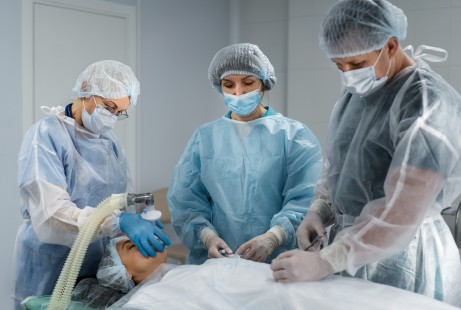
Cardiothoracic Surgery, It’s not a term you hear in daily life. You may hear “heart surgery” or “lung surgery,” but when both come under one category, it’s called cardiothoracic surgery. And that’s where confusion usually starts. Is it only for heart problems? Does it include lungs as well? Is it always a major surgery?
Understanding this clearly helps you make better decisions if you or someone close ever needs this type of treatment.
What does cardiothoracic surgery actually cover?
It’s not just one type of surgery. It includes procedures related to:
So when people talk about heart and chest surgery, this is usually what they are referring to.
It can involve:
It’s a wide field, not limited to one condition.
When do you actually need this kind of surgery?
Not every heart or lung problem needs surgery. Most conditions are first managed with medicines or less invasive treatments. But when the problem becomes severe or doesn’t improve, surgery becomes necessary. For example:
This is usually the stage where a cardiothoracic surgeon Kozhikode or elsewhere gets involved.
Understanding the types of conditions treated
This part is important, because people often think it’s only about the heart. But it’s broader than that.
These include blockages, valve problems, or structural issues.
Surgeries help restore proper blood flow and improve heart function.
Procedures like lung surgery Kerala are done for:
Breathing problems linked to structural issues may also need surgical care.
Chest-related conditions
Sometimes, tumors or abnormalities develop in the chest area.
These require careful removal or correction.
How are these surgeries performed today?
This is where things have changed a lot over time. Earlier, most surgeries were open procedures. Large cuts. Longer recovery. Now, in many cases, doctors use advanced techniques. Some surgeries are still open, especially complex ones. But others may be done using:
This reduces pain and speeds up recovery. But again, the technique depends on the condition. There is no one method for all cases.
What happens before surgery
Before any procedure, there is a detailed evaluation. Doctors don’t move directly to surgery. They assess:
You may go through scans, blood tests, and consultations. It may feel like a long process. But this planning stage is what makes the surgery safer.
Recovery: what should you expect
This is the part people worry about the most. Recovery depends on the type of surgery. After major procedures like open heart surgery, recovery takes time. You may feel:
Gradually, with proper care, things improve. For smaller or minimally invasive procedures, recovery is quicker. But in both cases, patience is important. You can’t rush healing.
Life after cardiothoracic surgery
This is something many patients ask. Will life go back to normal? In many cases, of course yes. Patients often feel:
But lifestyle changes become important. You may need to:
Surgery treats the condition, but long-term care maintains the results.
Risks: what to keep in mind
It’s important to be aware. All surgeries carry some level of risk. In cardiothoracic surgery, risks may include:
But these are carefully evaluated before surgery is recommended. The decision is always based on benefit vs risk.
Final thoughts
Cardiothoracic surgery may sound complex, but at its core, it is about restoring function to some of the most important parts of your body. Heart. Lungs. Chest. When these systems don’t work properly, life becomes difficult. Surgery is not the first step, but when it becomes necessary, it offers a way forward. Understanding the process, knowing what to expect, and choosing the right medical team makes the journey much easier. Because in the end, the goal is simple, to help you breathe better, feel stronger, and live more comfortably again.