- English
- عربي / Arabic
- മലയാളം / Malayalam


Most heart problems don’t start with a big event. They begin quietly. No pain. No warning. Just small changes happening inside your body — things you can’t feel.
And one of the most common reasons behind serious heart issues is coronary artery disease. You may have heard the term “heart blockage.” This is usually what people are referring to.
What actually happens in coronary artery disease
Your heart needs a constant blood supply to function. This blood flows through arteries called coronary arteries.
Now imagine this - over time, fat, cholesterol, and other substances start building up inside these arteries.
Not suddenly. Slowly. This build-up narrows the passage. Blood flow reduces. And when the heart doesn’t get enough oxygen-rich blood, problems begin. At first, you may not feel anything. But as the blockage increases, symptoms start showing.
Why does this build-up happen?
There’s no single reason. It’s usually a combination of lifestyle and health conditions.
Common causes include:
Stress also plays a role, even though people don’t always take it seriously. These factors don’t damage the artery in one day. They do it slowly, over years.
Symptoms people often miss
This is where things get tricky. Early stages may have no symptoms at all. But as the blockage increases, you may notice:
A tight feeling in the chest — not sharp pain, just pressure. Breathlessness during normal activities. Fatigue that feels unusual. Discomfort that spreads to arm, neck, or jaw. Some people feel all of this. Some feel almost nothing… until something serious happens. That’s why regular check-ups matter more than waiting for symptoms.
How is coronary artery disease diagnosed?
Most people don’t find out on their own. It’s usually detected through tests. A doctor may start with basic checks like ECG and blood tests. If something looks off, further tests may be suggested. This can include:
Angiography is the key test here. It shows exactly where the blockage is and how severe it is. And once you know that, treatment becomes clearer.
Treatment depends on how serious the blockage is
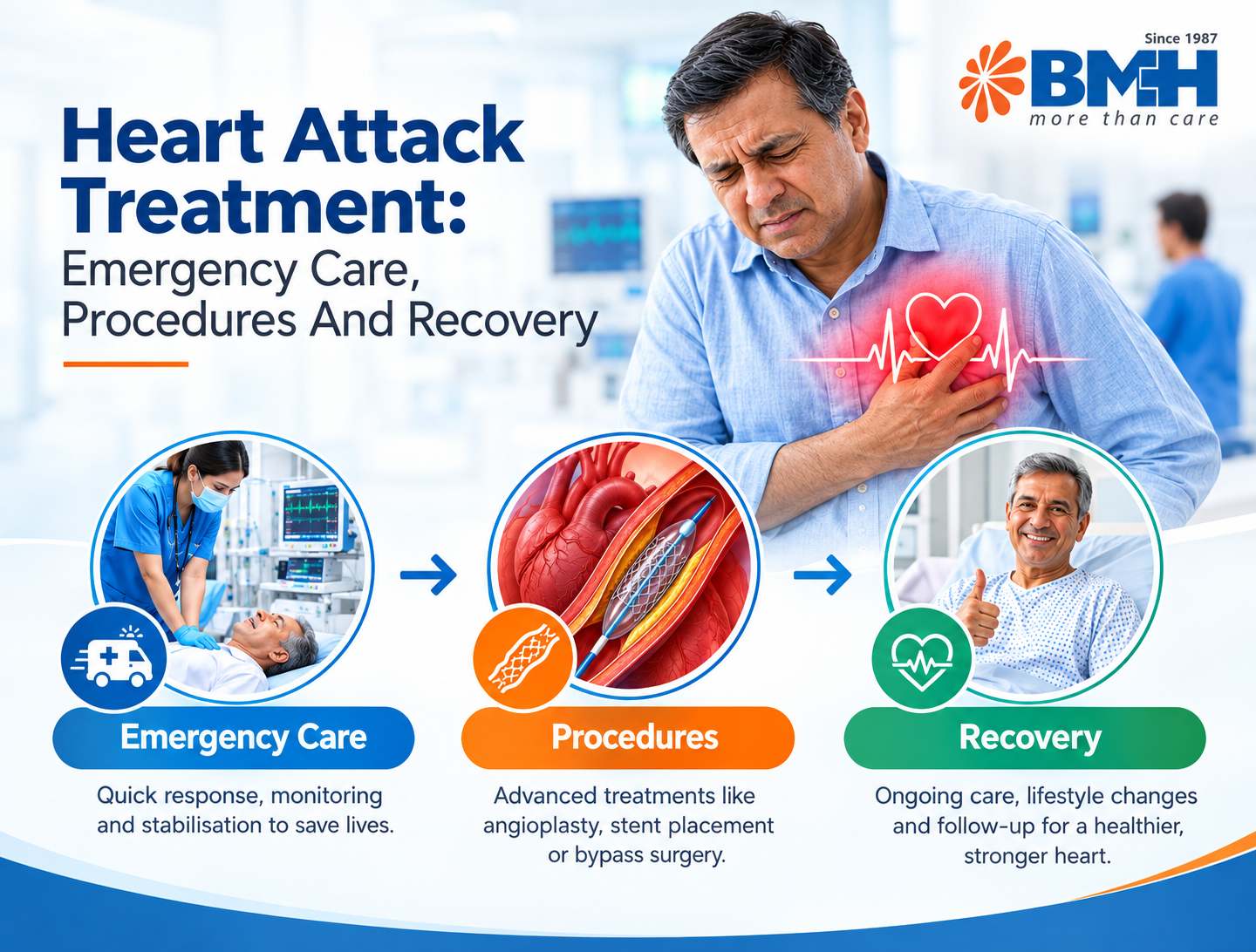
Not every blockage needs surgery. That’s important to understand. In early stages, coronary artery disease treatment may involve:
If managed properly, this can slow down or even stabilise the condition. But if blockage is significant, then procedures are considered.
Angioplasty vs bypass surgery — what’s the difference?
This is one of the most common questions. And also one of the most confusing. Let’s simplify it.
In this procedure, a thin tube is passed through a blood vessel to reach the blocked artery. A small balloon is inflated to open the blockage. Then a stent (a small mesh tube) is placed to keep the artery open. This is less invasive result to faster recovery. That’s why many patients prefer options like coronary stenting Kerala when suitable.
This is a more involved surgery. Instead of opening the blocked artery directly, a new path is created for blood flow using another blood vessel. It’s usually recommended when:
Recovery takes longer compared to angioplasty. But in some cases, it gives better long-term results.
So, which one is better?
There is no single answer. It depends on:
Doctors decide based on what is safest and most effective. Not just what is easier.
Life after treatment
This is something many people misunderstand. Treatment doesn’t mean the problem is “over.” It means the problem is managed. After any heart blockage treatment BMH or elsewhere, lifestyle becomes even more important. You may need to:
These are not restrictions. They are part of protecting your heart long-term.
Can coronary artery disease be prevented?
To a large extent, yes. You can’t control everything. But you can control:
Avoid smoking. Manage stress. Keep BP and sugar in control. And most importantly — don’t ignore routine health checks.
Final thoughts
Coronary artery disease doesn’t appear suddenly. It builds slowly, often without symptoms. That’s what makes it risky. But the same thing also gives you an advantage time. Time to detect early. Time to act. Time to prevent it from becoming serious. Understanding your options, whether it’s medicines, angioplasty vs bypass surgery, or lifestyle changes, helps you stay one step ahead. Because when it comes to heart health, early awareness is always better than late action.