When natural lens inside the eye has become cloudy then this cloudy lens is called a cataract.
And when the cataract starts affecting daily routine, the doctor may suggest cataract surgery. What follows explains why it is offered, what actually happens, what benefits and risks to expect, what happens on the day, and how recovery works.
The first consultation
Everything begins with an eye check-up. The doctor first asks about the vision problem. You may be asked:
- when the blurring started,
- whether lights feel brighter than usual,
- if reading has become difficult,
- or whether one eye feels worse than the other.
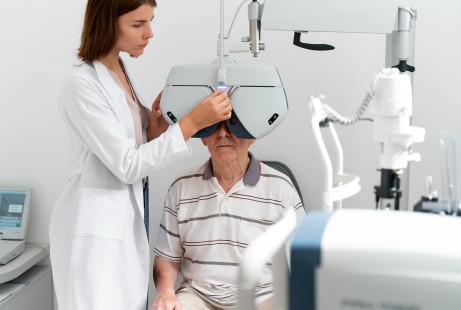
Then the eye examination begins. You read letters on a vision chart. The eye pressure may be checked. A machine measures your vision, and the doctor examines the front and back of the eye carefully. At some point, eye drops are placed to dilate the pupil. After these drops, vision becomes blurry for a few hours, and bright light may feel uncomfortable. This is normal.
The examination helps the ophthalmologist confirm whether cataract is the main reason behind poor vision or whether another eye condition is also involved. If the cataract is mild, surgery may not be needed immediately. But if the cloudy lens is clearly affecting daily life, the discussion slowly shifts toward treatment.
Understanding what the surgery actually does
During cataract surgery, the cloudy natural lens is removed and replaced with a clear artificial lens. This is called lens replacement. New artificial lens stays permanently inside the eye to restore the clearer vision again. Selection of quality lens is very important for this stage as the quality of the lens is directly connected to the vision of yours. Before surgery the doctor also explains why only surgery and why not the medicine. They explain that medicines or eye drops cannot reverse a cataract once it becomes significant. Surgery is the only effective treatment at that stage.
The planning before surgery
Before fixing the surgery date, some measurements are done. These tests calculate the power of the artificial lens that will go inside the eye. A machine measures the size and shape of the eye carefully. The doctor then decides which lens power will give the best possible vision after lens replacement.
Some patients are also given options regarding lens types depending on their eye condition and visual needs. This planning stage may feel simple, but it plays a major role in the final vision outcome after surgery.
The day of surgery
The hospital staff usually guides patients step-by-step so things feel organised and calm.
After basic paperwork, a nurse checks blood pressure, sugar levels if needed, and confirms the eye selected for surgery. Then eye drops are started again.
These drops help:
- widen the pupil,
- clean the eye,
- and prepare the eye for surgery.
You may wait for some time while the drops start working.
Going inside the operation room
You are taken inside the operation room on a wheelchair or bed. The room is usually bright and cool. Mostly Cataract surgeries are done under local or topical anesthesia. That means the eye is numbed, but the patient usually remains awake.
You do not see sharp surgical details happening inside the eye. sometime, patients might notice bright light, movement, and shadows. A small support gently keeps the eyelids open so there is no need to worry about blinking.
The doctor may ask you to keep looking toward the microscope light during the procedure.
What actually happens during cataract surgery
The surgery itself is usually quiet and controlled. The doctor makes a very small opening near the edge of the eye. Through this opening, tiny instruments are used to break the cloudy cataract lens into small fragments. These fragments are then removed carefully.
This step is often done using ultrasound technology. Once the cloudy lens is removed, the clear artificial lens is inserted into the same place inside the eye. This is the main lens replacement step. The new lens settles into position. There is no pain during the procedure. Some may feel light pressure or water movement, but not sharp discomfort. Whole process take very short span of time, though the full hospital process takes more time because of preparation and observation.
Immediately after surgery
Once the surgery is completed, the eye is covered with dressing. You are then shifted to a recovery area where the nurses monitor you for some time. Vision may appear blurry initially. Some people notice watering, mild irritation, or the feeling that something is inside the eye. This usually improves gradually. Before discharge, the doctor or nurse explains:
- which eye drops to use,
- how to clean the eye,
- what activities to avoid,
- and when to return for follow-up.
This part is extremely important because proper care during eye surgery recovery helps the eye heal safely.
Going back home
Most patients go home the same day after cataract surgery. Walking inside the house is usually fine, but the eye should be protected carefully. Patients are generally advised:
- not to rub the eye,
- avoid dust exposure,
- avoid lifting heavy weight for some time,
- and avoid getting water directly into the eye initially.
The protective shield may also be used during sleep for a few days.
The first few days of eye surgery recovery are mainly about allowing the eye to settle gradually.
What recovery usually feels like
Many patients notice improvement in vision within a few days. Some even feel the difference the next morning. Colours may look brighter. Faces appear sharper. Reading feels easier again. But recovery speed varies from person to person. For some people, vision clears gradually over several days or weeks depending on the eye condition before surgery. The important thing is to continue the eye drops exactly as advised.
Follow-up visits also matter because the ophthalmologist checks whether healing is progressing properly.
Daily life after cataract surgery
One thing patients often ask is:
“When will life feel normal again?”
For most people, daily activities slowly restart within a short period.
Reading, watching television, light walking, and regular indoor work usually become comfortable again fairly soon. If both eyes need surgery, the second eye is usually planned separately after the first eye recovers. And while some patients may still need glasses after lens replacement, vision generally becomes much clearer compared to before surgery.
Final thoughts
Cataract surgery sounds stressful before the procedure mainly because people do not know what to expect. But once the process is explained step-by-step, it starts feeling much more manageable. From the first consultation to the operation room, the surgery itself, and the days of eye surgery recovery, every stage is carefully planned to improve vision safely. And for many patients, the biggest change is not just clearer eyesight. It is getting back the comfort of daily life again — reading properly, recognising faces clearly, and moving through the world without constantly struggling with cloudy vision.
FAQs
1. Is cataract surgery painful?
No. Cataract surgery is usually done under local or topical anesthesia, so the eye becomes numb during the procedure. Most patients only feel slight pressure or water movement, not actual pain.
2. How long does cataract surgery take?
The surgery itself usually takes a short time, often around 15 to 30 minutes. However, the complete hospital process may take longer because of preparation, eye drops, and post-surgery observation.
3. Will I need glasses after lens replacement?
Some patients may still need glasses for reading or certain activities after lens replacement. However, most people notice significantly clearer vision compared to before cataract surgery.
4. How long does eye surgery recovery usually take?
Many people start noticing clearer vision within a few days, though complete recovery may take a few weeks depending on the condition of the eye before surgery. Regular eye drops and follow-up visits are very important during eye surgery recovery.
5. When can I return to normal activities after cataract surgery?
Light activities like walking, watching TV, or reading are usually possible within a short time. However, doctors generally advise avoiding heavy lifting, dust exposure, and rubbing the eye during the early recovery period.