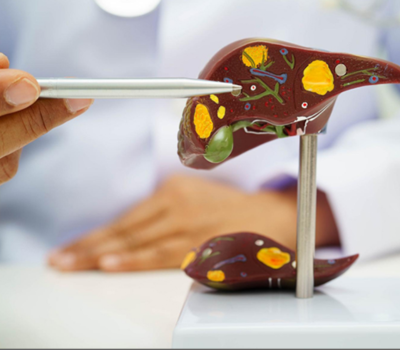
Gallstone treatment is about pain that comes in waves and stops you mid-meal. It is about nausea that returns with fatty food. It is about attacks that keep repeating. It is also about avoiding the complications that arrive without warning: infection of the gallbladder, blockage of the bile duct, jaundice, cholangitis, and pancreatitis.
What gallstones are and why they cause symptoms
Gallstones are solid deposits that form in the gallbladder. Many people have them and never know. The problem starts when a stone intermittently blocks the cystic duct or when stones migrate into the common bile duct. That is when symptoms become pattern-based and repeatable.
Symptoms: what gallstone disease actually feels like
Typical biliary colic (the most common pattern)
- Pain in the right upper abdomen or upper middle abdomen. Often starts after meals, especially heavy or fatty meals. Builds, holds, then settles (often over 30 minutes to a few hours). May radiate to the back or right shoulder. Nausea is common.
When symptoms mean “complication until proven otherwise”
- Fever with right upper abdominal pain suggests acute cholecystitis.
- Yellow eyes/skin with dark urine or pale stools suggests bile duct obstruction.
- Severe upper abdominal pain with vomiting can be pancreatitis.
- Confusion, low BP, high fever with jaundice suggests cholangitis and is an emergency.
Diagnosis: how gallstones are confirmed and mapped
-
Ultrasound (first-line)
Ultrasound is typically the primary first-line imaging test for right upper quadrant symptoms and gallbladder pathology. It can show gallstones, inflammation features, and bile duct dilation as a clue to duct stones.
-
Blood tests (to separate “gallbladder” from “duct”)
Liver function tests and inflammation markers help detect patterns. A gallbladder-only problem can have normal LFTs, while duct obstruction often pushes bilirubin and cholestatic enzymes up.
-
MRCP / EUS (to evaluate suspected bile duct stones without ERCP risk)
MRCP is a noninvasive method for visualizing biliary and pancreatic ducts and is widely used to evaluate suspected duct stones.
-
ERCP (when treatment is needed in the duct)
ERCP evolved into a therapeutic procedure and is used selectively today because it carries meaningful procedure risk, so modern practice focuses on ERCP when it is likely to be therapeutic rather than purely diagnostic.
How gallstone treatment evolved
Ultrasound made confirmation routine. ERCP separated duct-stone care from open surgery. Laparoscopic cholecystectomy moved gallbladder removal toward minimally invasive recovery for most suitable patients. MRCP reduced diagnostic ERCP by making noninvasive duct imaging a first step in many patients. Earlier surgery for acute cholecystitis became the preferred direction because delaying can worsen the pathway and lengthen hospitalization.
Treatment for gallstones: what actually gets done
-
Asymptomatic gallstones
Most guidelines do not recommend surgery for incidental stones without symptoms, so observation is the default.
-
Symptomatic gallstones
If attacks recur and the patient is a surgical candidate, gallbladder removal is the definitive way to prevent future attacks and reduce complication risk.
-
Acute cholecystitis
This is not “just another attack.” The modern direction is early laparoscopic cholecystectomy when feasible rather than waiting weeks.
-
Common bile duct stones
The plan is usually two-part: clear the duct (often with ERCP, depending on risk and local expertise) and remove the gallbladder to prevent recurrence.
-
High-risk patients who cannot undergo immediate surgery
When surgical/anesthesia risk is prohibitive during acute infection, temporizing drainage may be used as a bridge, with long-term planning still required.
Surgical treatment options: what “gallbladder surgery” usually means
Laparoscopic cholecystectomy
This is standard for most suitable patients, using small incisions and typically allowing faster mobilization and shorter hospital stays, while definitively removing the gallbladder.
Open cholecystectomy
This is reserved for selected situations such as severe inflammation with unclear anatomy or dense scarring, or when conversion is needed for safety. Conversion is a safety decision, not a failure.
Who performs it: general surgery and surgical gastroenterology
In many Indian hospitals, both groups perform cholecystectomy. The practical differentiator is case volume, protocol discipline, and the ability to manage duct stones and complications through coordinated care.
Recovery: what to expect after gallbladder surgery
After uncomplicated laparoscopic surgery, soreness at port sites and shoulder-tip discomfort can occur early, walking is encouraged, and many patients resume light activity within days while heavier exertion follows surgeon guidance. Many people do better initially with smaller, lower-fat meals while the body adjusts, and persistent diarrhea or intolerance should be discussed in follow-up. Recovery is slower when disease is complicated or when duct stones, pancreatitis, drains, or open conversion are involved.
When to seek urgent care
Seek urgent evaluation for fever with right upper abdominal pain, jaundice with pain or fever, severe persistent abdominal pain with vomiting, or confusion/fainting/low BP symptoms.
Conclusion
Gallstone care became reliable when ultrasound confirmation, noninvasive duct imaging, and minimally invasive gallbladder removal became routine. Today, the decision is mainly about pattern and risk: observe incidental stones, operate for symptomatic disease, operate early for acute cholecystitis when feasible, and treat duct stones with a plan that clears the duct and prevents recurrence.
FAQs
-
How can I tell if my pain pattern is likely gallstones and not “normal acidity”?
Gallstone pain typically follows a recognizable pattern: it often starts after meals (especially heavy or fatty food), builds to a steady intensity, and then settles over 30 minutes to a few hours. It is commonly felt in the right upper abdomen or upper middle abdomen and may travel to the back or right shoulder. Acidity often produces burning or sour regurgitation and is less likely to create a repeated, meal-linked wave of deep upper abdominal pain.
-
If I have gallstones on ultrasound but no symptoms, do I still need treatment?
In most cases, no. Many people have silent gallstones that never cause trouble, and routine gallbladder removal is generally not recommended when stones are incidental and asymptomatic. The practical focus is on recognizing symptom patterns and complications early, because the treatment decision changes when stones start causing repeated pain attacks or evidence of inflammation or blockage.
-
Why do doctors start with ultrasound, and when are MRCP or ERCP needed?
Ultrasound is usually the first step because it reliably detects gallstones and can show signs of gallbladder inflammation and bile duct dilation. MRCP or EUS is commonly used when duct stones are suspected and the goal is to map the bile ducts noninvasively before committing to higher-risk procedures. ERCP is usually reserved for situations where duct treatment is likely needed, because it can remove duct stones but also carries procedure risks, so it is used when there is a clear therapeutic target.
-
What symptoms should make me treat gallstones as an emergency?
Fever with right upper abdominal pain suggests infection or acute inflammation of the gallbladder and should not be watched at home. Jaundice with pain or fever can signal bile duct obstruction or cholangitis and needs urgent evaluation. Severe persistent upper abdominal pain with vomiting can indicate pancreatitis, and confusion, fainting, or low blood pressure symptoms alongside jaundice or fever are red flags for a serious infection pathway.
-
Is gallbladder removal the only “real” solution for recurrent gallstone attacks?
For recurrent symptomatic gallstones, gallbladder removal is the definitive way to prevent future attacks because it removes the source of stone formation. Medicines do not reliably dissolve most gallstones, and symptom-only treatment does not prevent the next obstruction event. The main decision is not whether surgery is “available,” but whether your pattern and risk make surgery the safer long-term option.