Nearly 85% of men and around 33–50% of women experience noticeable hair loss at some point in their lives. In men, hair thinning often begins around the temples or crown, sometimes as early as their late 20s or early 30s. In women, the pattern is usually different. Instead of bald patches, they experince overall thinning, especially after hormonal changes or menopause.
The concern usually starts later, when the hairline changes, scalp visibility increases, or the hair volume is no longer like before.
That is when people begin searching seriously for proper hair loss treatment.
What causes it (Men edition)
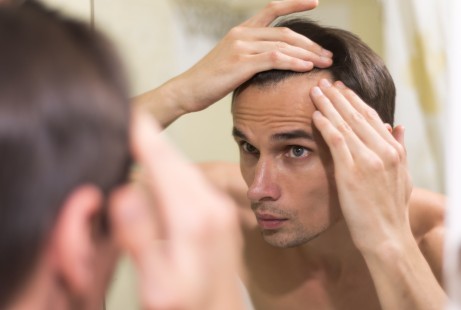
Hair loss in men is most commonly linked to androgenetic alopecia, also known as male pattern baldness. This usually follows a predictable pattern. The hairline starts moving backward slowly, especially near the temples. Over time, thinning begins around the crown area as well. Some men notice it early in life, while for others it progresses gradually over many years.
Genetics plays a major role here. If close family members experienced baldness early, the chances often become higher. Other factors that may worsen hair loss include:
- stress
- smoking
- poor sleep
- unhealthy eating habits
- nutritional deficiencies
- excessive chemical treatments
Some men also notice sudden hair shedding after illness, weight loss, or emotional stress.
What causes it for women
Hair loss in women usually looks different from male pattern baldness. Women experience overall thinning instead of clearly visible bald areas. The parting may start widening. Hair volume reduces slowly. Ponytails begin feeling thinner than before. Hormonal changes are one of the biggest reasons behind female hair thinning. This may happen:
- after pregnancy
- during menopause
- because of thyroid imbalance
- due to PCOS
- because of iron deficiency or nutritional problems
Stress also plays a surprisingly large role. Mostly women notice increased shedding after emotionally stressful periods, illness, poor sleep, or rapid dieting. Frequent heat styling, harsh hair treatments, and tight hairstyles may also weaken hair roots over time. That is why proper diagnosis matters before starting any hair loss treatment, because not every hair loss pattern has the same cause.
Treatment options available
Hair treatment has changed significantly over the last few years. Today, several non-surgical and advanced procedures are available depending on the stage and cause of hair loss. The treatment plan usually depends on:
- how severe the hair loss is
- whether the roots are still active
- scalp condition
- age and overall health
For early-stage hair thinning, doctors may suggest:
- medicines
- nutritional correction
- scalp treatments
- medical shampoos
But when visible thinning becomes more noticeable, regenerative procedures are often considered.
PRP
One increasingly preferred option is PRP for hair. In this treatment, the patient’s own platelet-rich plasma is prepared from blood and injected into the scalp. These growth factors help stimulate weak hair follicles and improve hair density gradually.
GFC Therapy
Another advanced option now available is GFC therapy. Unlike traditional PRP, GFC therapy uses concentrated growth factors prepared in a more refined way to support hair follicle repair and growth. Many patients prefer GFC therapy because:
- the process is minimally invasive
- recovery is usually simple
- sessions are relatively comfortable
- it works well in selected early and moderate hair thinning cases
Hair Restoration
In situations where hair loss becomes advanced and follicles no longer recover naturally, doctors may discuss hair restoration procedures. This is where consultation with an experienced hair restoration specialist becomes important because the treatment approach changes depending on scalp condition and long-term expectations.
How not to get confused between treatment options
Once hair loss starts, the internet becomes overwhelming. Every product claims results. Every clinic promotes a different procedure. And most patients honestly do not know what actually suits their condition. But the important thing to understand is this:
Not every treatment works for everyone.
For example:
- someone with nutritional deficiency may improve with medical correction alone
- early thinning may respond well to PRP for hair or GFC therapy
- advanced baldness may need restoration procedures instead of injectable treatments
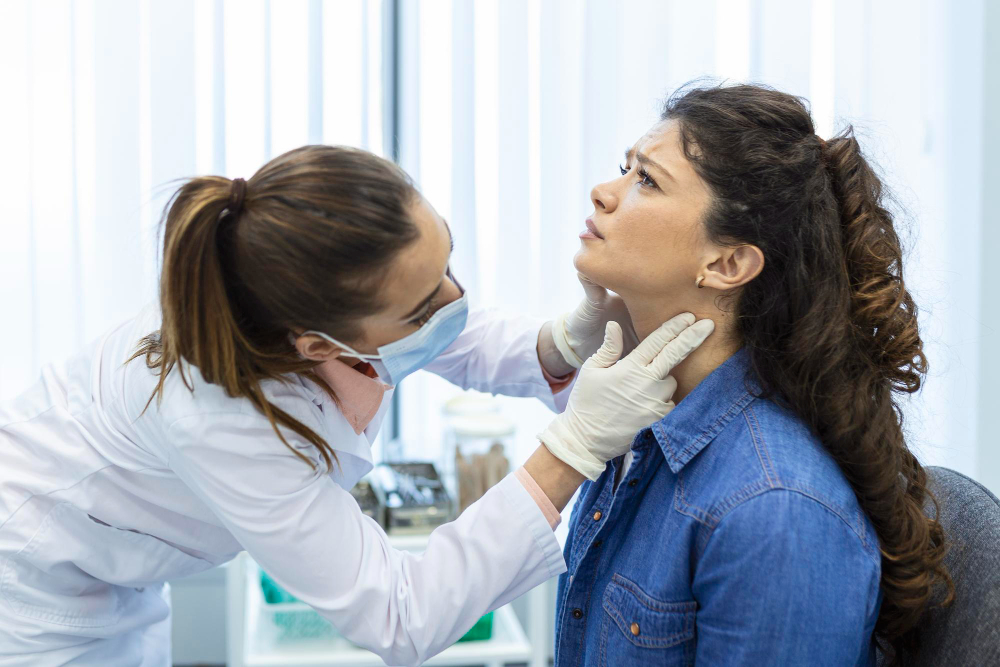
This is why proper scalp evaluation matters before choosing treatment. An experienced hair restoration specialist usually examines:
- hair density
- scalp health
- root activity
- progression pattern
- family history
Only after understanding these factors does the treatment plan become meaningful. Because blindly trying random products often delays proper treatment instead of solving the problem.
The care after treatment
One thing people often misunderstand is that hair treatment does not end after the session. Post-treatment care matters equally. Doctors usually advise:
- maintaining proper nutrition
- reducing stress levels
- following scalp care instructions
- avoiding harsh chemicals and heat styling
- continuing prescribed medicines if needed
Hair growth also takes time. Most people do not see dramatic changes immediately after one session of hair loss treatment. Hair cycles naturally work slowly. Improvement generally becomes noticeable gradually over months. This is why patience and consistency become important during the process.
Wrapping up
Hair loss has become extremely common today in both men and women. But understanding the reason behind it matters more than rushing into random treatments. Some people experience temporary shedding due to stress or nutrition problems. Others deal with long-term pattern hair loss that needs structured medical care. The good thing is that modern hair loss treatment options like PRP for hair, GFC therapy, and advanced restoration techniques now offer more effective solutions than before. And when the treatment plan is guided properly by a skilled hair restoration specialist, the focus usually shifts from “quick fixes” to long-term scalp and hair health. Because in many cases, treating hair loss early gives much better results than waiting until the thinning becomes severe.
FAQs
1. Is it normal to lose hair every day?
Yes. Losing some hair daily is completely normal. Most people naturally shed around 50–100 hairs a day. The concern usually starts when hair fall becomes excessive, patchy, or visibly reduces hair density over time.
2. At what age does hair loss usually begin?
Hair loss can begin at different ages depending on genetics, hormones, lifestyle, and health conditions. Some men notice thinning in their late 20s or early 30s, while women often notice gradual thinning later, especially after hormonal changes.
3. Is PRP for hair painful?
Most patients tolerate PRP for hair quite comfortably. Since small injections are used, there may be mild discomfort during the procedure, but it usually does not last long. Recovery is generally quick as well.
4. What is the difference between PRP and GFC therapy?
Both treatments use growth factors to support hair growth, but GFC therapy uses a more concentrated and refined preparation compared to traditional PRP. The right option depends on scalp condition, hair loss stage, and doctor evaluation.
5. How long does it take to see results after hair treatment?
Hair growth is usually gradual. Most people start noticing improvement over a few months rather than immediately after one session. Consistency and proper follow-up play a major role in results.
6. Can stress really cause hair fall?
Yes. Emotional stress, poor sleep, illness, and sudden lifestyle changes can trigger noticeable hair shedding in both men and women. In some cases, stress may also worsen existing hair thinning problems.
7. When should I consult a hair restoration specialist?
You should seek medical advice if:
- hair thinning keeps increasing
- bald patches appear
- scalp visibility increases
- excessive hair shedding continues for weeks
- over-the-counter products stop helping
Early treatment often gives better long-term results.