- English
- عربي / Arabic
- മലയാളം / Malayalam

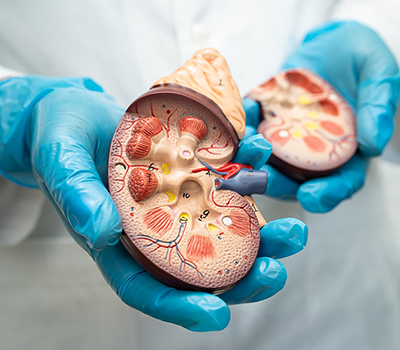
When kidneys stop working the way they should, life slowly becomes restricted. Dialysis schedules take over the week. Simple activities feel exhausting. For many patients and families, a Kidney Transplant appears not just as a treatment option, but as a chance to regain normal life. At the same time, it raises many questions and fears. Is it safe? Am I eligible? How will life change after surgery? Will the body accept the new kidney?
Kidneys play a constant role in the body like filtering waste, balancing fluids, and supporting blood pressure. When both kidneys lose most of their function, the body struggles to cope. Dialysis helps, but it cannot fully replace healthy kidneys.
A Kidney Transplant is considered when kidney damage becomes permanent and long-term dialysis is no longer the best option. This stage is often reached due to diabetes, high blood pressure, inherited kidney conditions, repeated infections, and glomerulonephritis leading on to chronic kidney disease.
Doctors assess whether transplantation is the most suitable kidney failure treatment by looking at overall health, age, other medical conditions, and the ability to follow lifelong care after surgery.
The period before transplant is often the hardest. Patients feel tired and dependent. Families worry about surgery, outcomes, and finances. Waiting for a donor, especially a deceased donor, can feel uncertain and stressful.
It is common to feel fear alongside hope. Anxiety does not mean weakness. Counselling and open conversations with the medical team are an important part of preparation and long-term nephrology care.
Before a transplant can move forward, doctors need to ensure the surgery is safe and likely to succeed. This involves a detailed medical evaluation, not just one test.
Doctors usually assess:
Potential donors are also evaluated carefully. This process protects both the recipient and the donor and helps improve long-term transplant success.
A kidney transplant is a planned operation done under general anesthesia and usually lasts a few hours.
During surgery:
In most cases, the patient’s own kidneys remain in place unless they cause infection or other problems. After surgery, patients stay in intensive care for close monitoring before moving to a regular hospital room.
Recovery begins slowly. Patients feel weak and tired in the first few days. Pain is expected but manageable with medication. Urine output is closely watched, as it shows how well the new kidney is working.
One of the biggest lifestyle changes is medications. Anti-rejection medicines must be taken exactly as prescribed. These drugs protect the new kidney but also require regular monitoring.
Doctors and nurses guide patients and families closely during this phase so they feel confident before discharge.
Every major surgery carries risks. Being aware of them helps families stay alert, not anxious.
Possible risks include:
Regular follow-ups and early reporting of symptoms help manage most complications effectively.
Life after transplant is different, but for most people, it is better. Energy returns. Appetite improves. Dialysis sessions stop. Many patients resume work and social life within a few months.
Post-transplant care focuses on consistency:
With regular renal transplant follow-up, many patients enjoy years of improved health and independence.
Cost is a real concern and deserves clear discussion. Expenses vary depending on donor type, hospital stay, complications, and medications.
Costs generally include:
Some expenses continue long-term due to lifelong medication. Hospitals usually provide financial counselling to help families understand and plan for these costs in advance.
Recovery does not end when the patient goes home. Family support is vital.
Caregivers often help by:
Strong support systems improve recovery and confidence for both patients and families.
A kidney transplant offers freedom from dialysis and a return to everyday life.
With the right medical guidance, careful preparation, and consistent follow-up, a Kidney Transplant becomes not just a treatment, but a second chance at living with strength and independence.
Yes. A kidney transplant often offers better quality of life, more energy, and fewer restrictions compared to long-term dialysis.
The surgery usually takes about 3 to 4 hours, depending on the patient’s condition and surgical complexity.
The main risks include infection, rejection of the new kidney, bleeding, and side effects from anti-rejection medicines. Regular follow-up helps manage these risks.
Most patients stay in the hospital for 1 to 2 weeks. Full recovery and return to normal routine may take a few months.
Yes. Anti-rejection medicines must be taken every day for life to protect the transplanted kidney. The dose is usually reduced to the minimum after about 6 months.
Yes. With proper care, regular follow-ups, and healthy habits, many patients return to work and do daily activities after recovery.