
- English
- عربي / Arabic
- മലയാളം / Malayalam

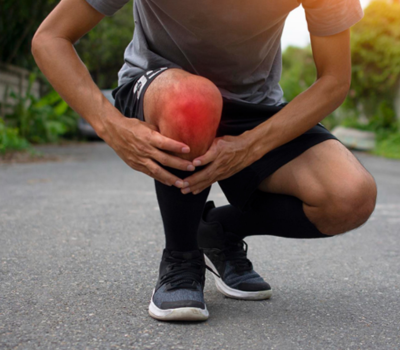
Knee pain has slowly become part of everyday conversation. Someone in the family complains about knee stiffness. A neighbor talks about difficulty climbing stairs. A doctor suggests knee replacement to an elderly relative. What once felt rare now feels common.
As people age, knees take the maximum load of daily movement. Walking, standing, bending, and climbing stairs all depend on them. When knee pain begins, it rarely stays small. Understanding the cause early and choosing the right knee pain treatment helps protect movement and independence.
Why knee pain starts in the first place
The knee is a complex joint. Bones, cartilage, ligaments, and muscles work together to allow smooth movement. When any part gets strained or damaged, pain begins.
Age-related wear and tear is one of the most common reasons. Cartilage slowly thins over time, leading to stiffness and discomfort. Injuries from falls or sports also trigger knee pain. Sudden twisting, lifting heavy weight, or awkward movement can strain the joint.
Weight gain, poor posture, weak muscles, and long-standing joint stress also increase knee strain
Symptoms that show the knee needs attention
Knee pain does not always appear as sharp pain. Sometimes it starts quietly.
You may feel stiffness after sitting for long periods. Swelling may appear around the knee. Walking or climbing stairs may feel painful. Some people hear cracking sounds during movement. Others feel the knee giving way.
When these symptoms repeat or worsen, the joint is signalling a problem that needs care.
When knee pain is more than just strain
Occasional pain after heavy activity is common. But knee pain that stays, worsens, or limits movement should not be ignored.
Redness, warmth, severe swelling, difficulty bearing weight, or sudden locking of the knee are warning signs. These symptoms often point to injury, inflammation, infection, or joint damage that needs medical evaluation.
Early orthopaedic care prevents long-term joint damage and speeds up recovery.
What happens during a knee evaluation
A doctor starts by listening. You describe when pain started, what makes it worse, and how it affects daily life. This conversation gives important clues.
Explain about previous medical conditions
The knee is examined for swelling, movement, stability, and tenderness. Simple tests help check ligament strength and joint alignment.
If needed, X-rays or scans help understand cartilage condition and joint structure clearly.
Treatment options for knee pain
Treatment depends on the cause and severity of pain. Most knee problems improve without surgery.
Initial treatment often includes pain relief medicines, physiotherapy, strengthening exercises, and weight management. Supports or braces may help reduce stress on the knee.
When damage becomes severe and daily life suffers, knee replacement may be considered. This option comes only after other treatments stop helping.
Living with knee pain and recovery
Recovery varies for each person. Mild knee pain improves with rest and exercise. Chronic problems need patience and consistency.
Physiotherapy plays a key role in recovery. Strengthening muscles around the knee improves stability and reduces pain. Regular follow-up ensures treatment stays effective.
Most patients regain better movement and comfort with the right plan.
When to see a doctor without delay
You should see a doctor if knee pain lasts more than a few days, worsens over time, or limits daily activities. Sudden swelling, severe pain,fever or inability to walk needs immediate attention.
Ignoring knee pain often leads to joint damage and reduced mobility later.
Final words
Knee pain is common, but living with pain should not be. Early care makes a big difference in how well knees function as we age.
Understanding symptoms, choosing the right knee pain treatment, and seeking timely orthopaedic care helps protect mobility and quality of life. Whether through simple therapy or advanced procedures like knee replacement, the goal remains the same—to keep you moving comfortably and confidently.