- English
- عربي / Arabic
- മലയാളം / Malayalam

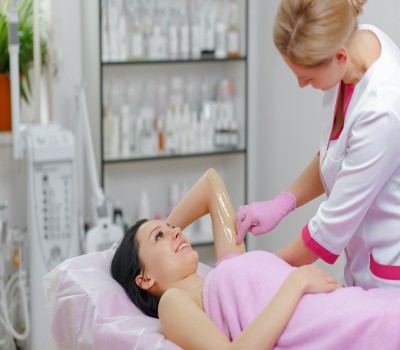
Laser hair removal works well when three things match: the right candidate, the right device/settings, and the right aftercare. Most bad outcomes happen when one of these is skipped. Burns, patchy results, and dark marks are not “normal side effects.” They are usually process failures.
A cosmetic dermatologist does not start with package pricing. They start with risk control: your skin type, your hair type, your medications, your medical history, and whether you need treatment for an underlying hormonal cause before you spend on sessions.
q) They confirm you are a good candidate
Laser hair removal targets pigment in the hair shaft and follicle. It works best when there is enough contrast between hair and skin, and when the hair is coarse enough to absorb energy.
A cosmetic dermatologist checks:
If hair is very fine or light, results are often weaker. If hair is thick and dark, results are usually better.
q) They check your skin type and pigment risk
This decides device choice and settings. Darker skin has more melanin in the skin itself, which increases burn and pigmentation risk if settings are wrong.
A cosmetic dermatologist will often classify your skin type and plan:
This is one of the main reasons choosing a supervised laser hair removal clinic matters. The same device can be safe or unsafe depending on who sets it up and how they adjust.
q) They ask about tanning and sun exposure
Recent tanning changes how your skin absorbs laser energy. It increases the chance of burns and post-inflammatory hyperpigmentation.
A proper pre-check includes:
If you are actively tanning or recently tanned, a good clinic will delay sessions rather than “try anyway.”
q) They review medications that change risk
Some medicines increase photosensitivity or affect healing. A cosmetic dermatologist should ask about:
This is not paperwork. It directly affects burn risk and recovery.
Q) They screen for conditions where hair growth is hormonally driven
If facial hair is increasing, especially with acne, irregular periods, or weight gain, a dermatologist should think beyond hair removal alone. PCOS and other endocrine issues can drive new growth. Laser can still help, but results are slower if the driver is active.
In these cases, the “best” approach is usually:
This prevents the common complaint: “I did sessions, it came back.”
Q) They check for skin conditions on the target area
Laser should not be fired through active skin disease.
A cosmetic dermatologist will look for:
If the skin is irritated, the risk of post-laser marks rises. Good clinics postpone rather than proceed.
Q) They ask about past scarring and pigment issues
A history of keloids, hypertrophic scars, or easy dark marking after minor injury matters. It does not always rule out laser hair removal, but it changes:
If you have had dark marks after waxing, thread burns, or acne, you should mention it.
Q) They do a test spot when risk is higher
A test spot is not a formality. It answers one question: how does your skin react at a given setting.
A cautious plan uses:
This is common for darker skin types, sensitive areas, and first-time sessions.
Q) They explain what results are realistic
Laser hair removal is best described as long-term reduction, not permanent removal in every hair and every area.
A good consult should state:
If a clinic promises “100% permanent removal,” treat it as a red flag.
Q) They give clear pre-care and post-care that prevents complications
A safe laser hair removal clinic gives rules that are specific and enforceable, not vague.
Common elements include:
The clinic should also tell you what is normal (mild redness, perifollicular swelling for a short period) and what is not (blistering, severe pain, large dark patches).
How to judge a laser hair removal clinic in one visit
If you want a fast filter, look for these behaviors:
That is the difference between a sales clinic and a medical clinic.
Conclusion
Laser hair removal is straightforward when the groundwork is done properly. A cosmetic dermatologist checks candidacy, pigment risk, sun exposure, medications, hormonal drivers, and local skin health before the first shot is fired. A safe laser hair removal clinic then matches device and settings to your skin and hair, uses test spots when needed, and enforces aftercare to prevent burns and dark marks. If those steps are in place, results are usually predictable and complications are avoidable.