- English
- عربي / Arabic
- മലയാളം / Malayalam

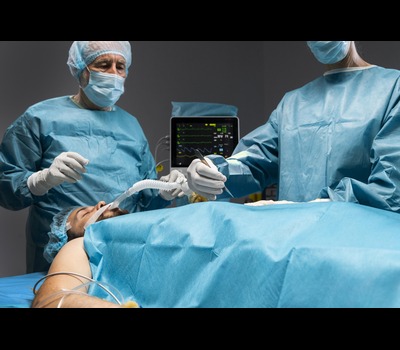
Surgery has changed significantly over the last few decades. What once required large incisions and long hospital stays can now often be performed through small openings with the help of a camera. General and laparoscopic surgery combines traditional surgical knowledge with modern minimally invasive techniques to treat common abdominal conditions safely and effectively.
What Is General and Laparoscopic Surgery?
General surgery deals with conditions involving the abdomen, digestive system, soft tissues, and abdominal wall. This includes procedures for the appendix, gallbladder, hernias, and certain intestinal conditions.
Laparoscopic surgery, often called keyhole surgery, is a minimally invasive method used in many of these procedures. Instead of a large incision, the surgeon makes small cuts and inserts a thin camera and specialized instruments. The camera projects a magnified image onto a monitor, allowing precise surgical work inside the abdomen.
Not every case is suitable for laparoscopy, but many common operations can now be performed this way.
Why Minimally Invasive Surgery Is Growing
Smaller incisions generally mean less trauma to surrounding tissues. This often results in reduced pain, shorter hospital stays, and quicker return to normal activities.
Advancements in high-definition cameras, improved surgical tools, and better anesthesia have made these procedures safer and more efficient. Surgeons also receive specialized training to perform complex operations through minimally invasive techniques.
The goal remains the same as traditional surgery: treat the problem effectively while minimizing risk.
Common Conditions Treated
A hernia occurs when an internal organ pushes through a weak area in the abdominal wall. Hernia repair can often be performed laparoscopically. The surgeon places the tissue back in position and strengthens the area with mesh support.
Patients typically experience less post-operative discomfort and can resume light activities sooner compared to open repair in suitable cases.
Inflammation of the appendix, known as appendicitis, requires urgent treatment. Appendix surgery is frequently done laparoscopically. The small camera allows clear visualization of the abdomen, which is helpful in confirming the diagnosis.
Most patients recover quickly and are discharged within a short period if there are no complications.
Gallstones can cause severe abdominal pain and infection. Laparoscopic gallbladder removal is one of the most common minimally invasive procedures worldwide. It allows patients to return to daily routines relatively quickly after surgery.
What Happens Before the Procedure
Before surgery, you will undergo evaluation that may include blood tests, imaging studies such as ultrasound or CT scan, and anesthesia assessment. These investigations confirm the diagnosis and ensure you are medically fit for the procedure.
The surgeon explains the technique, benefits, potential risks, and alternatives. Fasting instructions and medication guidance are provided in advance.
Preparation plays an important role in safe outcomes.
During the Operation
You are given general anesthesia so you remain asleep and comfortable. Small incisions are made, usually less than one centimeter each. Carbon dioxide gas is gently introduced into the abdomen to create space for visibility and instrument movement.
The camera provides a detailed internal view, and the surgeon completes the procedure using fine instruments. Once the surgery is finished, the gas is released and the small incisions are closed with sutures or surgical glue.
The duration depends on the condition being treated and its complexity.
Recovery and Healing
One of the main advantages of keyhole surgery is fast recovery. Patients often begin walking within hours after the procedure. Oral intake usually resumes once nausea settles.
Mild discomfort around incision sites is expected but generally manageable with medication. Most people return to light daily activities within a few days, while heavy lifting may be restricted for a few weeks depending on the surgery.
Follow-up appointments ensure proper wound healing and address any concerns.
Are There Any Risks?
All surgeries carry some risk, even minimally invasive ones. Possible complications include infection, bleeding, injury to nearby organs, or reaction to anesthesia. In some cases, the surgeon may convert to open surgery if better visibility or safety requires it.
Careful patient selection and experienced surgical teams significantly reduce these risks.
Who May Not Be Suitable for Laparoscopy?
Certain situations, such as extensive internal scarring from previous surgeries, severe infection, or unstable medical conditions, may make open surgery a safer option. The choice of technique is based on individual assessment rather than preference alone.
Your surgeon recommends the method that offers the best balance of safety and effectiveness for your condition.
Life After Surgery
Recovery does not end at discharge. Following medical advice regarding activity levels, wound care, and diet supports proper healing. Maintaining a healthy weight and strengthening abdominal muscles may help prevent recurrence in cases like hernia repair.
Listening to your body during recovery is important. Gradual return to normal routine ensures lasting results.
A Clear Understanding
General and laparoscopic surgery has transformed the way many abdominal conditions are treated. Minimally invasive techniques aim to reduce pain and hospital stay while maintaining high standards of safety.
Knowing how the procedure works, what recovery involves, and why a specific approach is chosen helps remove uncertainty. With proper evaluation and experienced care, most patients move through surgery and recovery with confidence and steady improvement.