- English
- عربي / Arabic
- മലയാളം / Malayalam

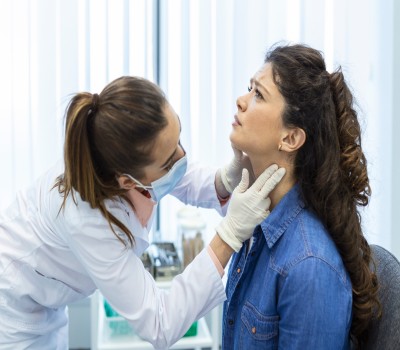
If you are facing thyroid cancer, the road ahead can seem uncertain. This guide is here to help give you more control: you will learn what to expect from surgery, how decisions are made, and the steps that keep recovery on track. Clear information can mean fewer surprises, steadier decisions, and greater peace of mind throughout each phase—from planning your operation to managing your recovery and follow-up.
The first thing that makes thyroid cancer feel real is not the word “cancer.” It is the plan. A surgeon has to decide how much thyroid to remove and whether the lymph nodes in the central neck are part of the operation. Those choices set the next year of your life: whether you need lifelong thyroid hormone replacement, whether calcium levels need close monitoring, whether radioactive iodine is even on the table, and whether follow-up is built around thyroglobulin surveillance. When the plan is correct, one operation does the job.
What thyroid cancer surgery is trying to achieve
Surgery is the main treatment for most thyroid cancers. The surgical plan has three clear goals: take out the cancer, check if it has spread to the lymph nodes, and prepare for what comes next after surgery, such as thyroid hormone therapy, possible radioactive iodine, and follow-up care. Breaking it down this way makes the journey easier to understand and helps you know what to expect.
Milestones that changed how thyroid cancer is treated today
1. Extent of surgery became risk-based, not automatic Older practice often defaulted to total thyroidectomy. Over time, evidence supported de-escalation for selected low-risk differentiated thyroid cancers, with hemithyroidectomy becoming an accepted option and further refined in newer guidance updates. For example, one patient with a small, low-risk papillary thyroid cancer was initially told she would lose her entire thyroid and need lifelong hormone replacement. After careful review of current guidelines and risk factors, her surgeon recommended hemithyroidectomy instead. This more tailored approach meant she retained partial thyroid function and avoided unnecessary medication, making the surgical milestone very personal.
2. Active surveillance entered the conversation for low-risk cancers
1. Intraoperative nerve monitoring (IONM)
During thyroid surgery, intraoperative nerve monitoring (IONM) is used to help protect the recurrent laryngeal nerve, which controls the vocal cords. IONM involves using specialised equipment to monitor nerve signals in real time, allowing the surgical team to identify and avoid the nerve during the procedure. This technology helps reduce the risk of nerve injury and reassures patients that extra steps are being taken to preserve voice quality and nerve function—making it more likely you can speak normally right after surgery.
2. Parathyroid autofluorescence: This technique uses a special light to help the surgeon identify the parathyroid glands during thyroid surgery. Parathyroid glands naturally emit a faint fluorescence when exposed to near-infrared light. Surgeons use this technology to distinguish the parathyroids from surrounding tissue, making it easier to avoid damaging or accidentally removing them. Protecting the parathyroid glands is important because they regulate calcium levels in the body, and injury can lead to post-surgery hypocalcemia. By using parathyroid autofluorescence, the surgical team reduces the risk of hypocalcemia and other complications.
3. Parathyroid Auto Transplantation
Parathyroid auto-transplantation is a surgical technique used during thyroidectomy or parathyroid surgery to preserve parathyroid gland function and prevent hypocalcemia (low calcium levels). The parathyroid glands, which are small and located near the thyroid, control calcium balance in the body. During thyroid surgery, one or more parathyroid glands may be at risk of losing their blood supply or may be inadvertently removed. When this occurs, the affected gland can be salvaged by auto-transplantation.
In summary, parathyroid auto-transplantation is an important technique in endocrine surgery, preserving gland function and improving patient safety during complex thyroid and parathyroid operations.
3. Types of thyroid cancer and how they change the surgical plan
A single phrase—"thyroid cancer"—covers very different diseases, each with its own rules, biology, and treatment paths. For example, medullary thyroid cancer has a different biology from other types: the tumour cells arise from C cells (not the usual thyroid follicular cells), and do not take up iodine, so they cannot be treated with radioactive iodine. This means surgery must remove all the disease for a cure, and follow-up uses other blood markers instead. Think of these three cancers as apples, oranges, and pineapples: all are called "thyroid cancer," but they need to be treated and followed up on differently. This table highlights the key differences:
Type: Differentiated (papillary, follicular, Hürthle) | Medullary | Anaplastic
Main Treatment: Surgery core, additional therapy depends on risk | Surgery is the only curative approach | Often multimodal care with surgery limited by disease
Role of Radioactive Iodine: Sometimes used | Not required | Not used
Lymph Node Strategy: Risk-guided | Varies | Case-specific
Differentiated thyroid cancers (papillary, follicular, oncocytic/Hürthle): surgery is usually the core treatment; post-op therapy depends on risk.
Medullary thyroid cancer: distinct biology; surgery is the only curative treatment; radioactive iodine is not required; lymph node strategy can vary.
Anaplastic thyroid cancer: often requires multimodal planning; surgery may be limited by the extent and goals of care.
This is why endocrine surgery matters: the plan is not just removal—it is correct removal for the specific cancer type and risk category. The role of the endocrine surgeon is central at every step: they assess the risks and benefits of surgery, choose the most appropriate surgical approach, and tailor the operation to the individual patient's cancer type and risk profile. Endocrine surgeons use specialised knowledge and advanced techniques, such as intraoperative nerve monitoring and parathyroid preservation, to minimise complications and improve outcomes. They collaborate closely with endocrinologists, pathologists, and other specialists to ensure comprehensive care—from initial diagnosis through surgery, post-operative management, and long-term follow-up. The surgeon is also responsible for patient education, guiding shared decision-making, and addressing any concerns before and after surgery. Their expertise is a key factor in achieving optimal results and reducing the need for additional procedures.
1. Hemithyroidectomy
Choosing between hemithyroidectomy and total thyroidectomy is a major fork in the road for treatment. If you value preserving some natural thyroid function and possibly avoiding lifelong hormone replacement, hemithyroidectomy may be the right path—especially for low-risk cancers. If you value the greatest certainty in follow-up testing and are comfortable with lifelong hormone medication, total thyroidectomy may be preferred. Discussing your values and lifestyle with your care team can help you choose the option that best aligns with your priorities.
2. Removal of one lobe with the isthmus is often considered for selected low-risk differentiated cancers where full-gland removal is not required by risk factors.
3. Total thyroidectomy Removal of the entire thyroid gland. More likely when the disease is higher-risk, when there is bilateral or multifocal disease in a way that changes risk/management, when postoperative radioactive iodine is expected to be useful, or when close biochemical surveillance with thyroglobulin is planned.
4. Lymph node surgery in the neck Therapeutic dissection is performed when nodes are clinically involved, as determined by imaging or biopsy. Prophylactic central neck dissection is only considered in specific cases, often when there is a higher risk of hidden spread. For example, in many lower-risk patients—such as those with small tumours and no evidence of spread on imaging or biopsy—prophylactic dissection is not routinely done. This selective approach reduces unnecessary surgery while still providing thorough care when risk factors are present.
What to expect before thyroid cancer surgery: a step-by-step pre-op pathway
A clear, chronological approach to these steps helps you and your care team make safe, confident decisions and reduces the likelihood of missing any important detail.
Post-operative care follows a series of expected milestones to help you recover safely and confidently after thyroid cancer surgery. Here’s what will likely happen and why: understanding each step empowers you to recognise what’s normal, what needs attention, and how your team works to keep your recovery on track.
parathyroid autofluorescence + auto transplantation
1. Calcium monitoring and hypocalcemia prevention After total thyroidectomy (and some completion surgeries), temporary hypocalcemia can occur because the parathyroid glands may be “stunned” or temporarily lose their blood supply. Monitoring and supplementation are used to prevent symptomatic hypocalcemia. Tingling around the mouth or fingers, muscle cramps, or spasms should be treated as urgent warning signs.
Intraoperative Neuromonitoring (IONM)
2. Voice checks and recurrent laryngeal nerve risk Voice changes can occur from swelling or intubation, but nerve irritation or injury is a recognised risk. However, in the hands of expert, experienced endocrine surgeons, the incidence of significant or permanent voice change is very minimal. Persistent hoarseness beyond the expected early recovery window should be assessed.
3. Wound care, swelling, and safe activity Neck tightness and swallowing discomfort are common early symptoms. The key is recognising abnormal patterns such as expanding swelling, significant bleeding, fever, or increasing redness.
4. Thyroid hormone replacement After total thyroidectomy, lifelong thyroid hormone replacement is required. After hemithyroidectomy , some patients still need hormone replacement depending on baseline thyroid function and remaining gland capacity. In thyroid cancer, hormones may also be used strategically to keep TSH lower, depending on recurrence risk.
5. The pathology report determines the next steps Final pathology drives staging and risk stratification, whether a completion thyroidectomy is needed after an initial hemithyroidectomy, whether radioactive iodine is appropriate, and how intense TSH suppression and surveillance should be.
6. Radioactive iodine and follow-up surveillance Radioactive iodine is used selectively in differentiated thyroid cancer based on risk and postoperative findings. Follow-up commonly uses thyroglobulin/antibody monitoring in appropriate settings, especially after total thyroidectomy with or without radioactive iodine.
Do not wait for routine review if there is rapidly increasing neck swelling or breathing difficulty, persistent or worsening hoarseness with breathing noise, fever with worsening neck pain/redness, or tingling/cramps/spasms suggestive of hypocalcemia.
Thyroid cancer surgery works best when the first plan is built from risk, not from habit. The core decisions of hemithyroidectomy versus total thyroidectomy, whether lymph nodes need to be addressed, and whether radioactive iodine and TSH suppression are actually indicated determine whether treatment is completed in a single controlled pathway or stretched into staged surgeries and avoidable escalation. Outcomes depend on disciplined post-op care and follow-up that matches the final pathology rather than a fixed schedule for everyone.
To turn these insights into positive action, take a moment to prepare for your next visit. Jot down three questions you want to ask your surgeon about your specific situation. For example, you might ask: What are the pros and cons of each surgical option for me? How will you check that my parathyroid glands and nerves are protected during surgery? What can I do to support my recovery after the operation? Bringing your own questions helps you play an active role in your care and ensures you are prepared for the decisions ahead.
1) Why is deciding between hemithyroidectomy and total thyroidectomy such a big deal?
Because it determines what your life looks like after surgery. Total thyroidectomy usually means lifelong thyroid hormone replacement and often enables clearer biochemical surveillance with thyroglobulin, while hemithyroidectomy may preserve partial thyroid function and can be appropriate for selected low-risk cancers. The choice also influences whether radioactive iodine might be helpful and how the follow-up strategy is built, so it should match the risk profile rather than be a default.
2) If thyroid cancer often has good outcomes, why do lymph nodes matter so much in the surgical plan?
Lymph nodes matter because thyroid cancers—especially differentiated types—can spread to central neck nodes, and missing clinically significant nodal disease can increase recurrence risk and sometimes force a second operation.
3) What should I expect from calcium monitoring after thyroid cancer surgery?
After total thyroidectomy, temporary hypocalcemia is common because the parathyroid glands can be temporarily stunned or lose their blood supply during surgery. Hospitals monitor calcium (often with early hormone markers) and may prescribe calcium and vitamin D to prevent symptoms. Tingling around the lips or fingers, cramps, or spasms are warning signs that should be reported promptly, as symptomatic hypocalcemia requires prompt correction.
4) How common are voice changes after surgery, and when should I worry?
A mild voice change can occur early due to swelling or intubation effects and may improve as healing progresses. The concern is persistent hoarseness that does not improve, or voice changes associated with breathing noise or choking symptoms, because these can signal vocal cord movement issues. A practical rule is that ongoing hoarseness beyond the early recovery period deserves a targeted voice evaluation rather than reassurance alone.
5) What does the pathology report say after surgery?
The pathology report determines the true stage and risk category, which then drives next steps such as whether completion surgery is needed, whether radioactive iodine is useful, and how aggressive thyroid hormone dosing should be for TSH suppression. It also influences how follow-up is structured—whether surveillance can rely mainly on biochemical markers like thyroglobulin or whether this becomes central to monitoring.