
- English
- عربي / Arabic
- മലയാളം / Malayalam

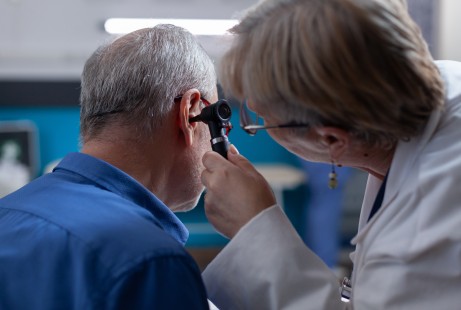
You don’t really notice hearing going down in one day. It happens slowly. TV volume goes up a little. You ask people to repeat once… then twice. Phone calls feel unclear. And somewhere in between, you start adjusting, without even realising it. That’s how most hearing problems begin. Quiet. Gradual. Easy to ignore. But the earlier you understand it, the easier it becomes to manage.
What actually causes hearing loss?
Hearing loss is not one single condition. It can happen for very different reasons. Sometimes it’s simple. Earwax buildup. Infection. Temporary blockage. Other times, it’s deeper, damage to the inner ear or nerves.
Age is one of the most common reasons. As we grow older, the tiny structures inside the ear slowly lose sensitivity. Sounds don’t travel the same way anymore.
Then there’s noise. Loud music, factory noise, headphones at high volume, repeated exposure can damage hearing over time.
In some people, it’s medical:
And sometimes, it’s present from birth. The important part is this: not all hearing loss is the same. And not all of it is permanent.
The early signs people usually ignore
Hearing loss rarely starts with complete silence. It shows up in small ways.
You may notice:
One thing people often say is:
“I can hear, but I can’t understand properly.”
That’s a key sign.
And the mistake?
Most people wait too long before visiting an audiology clinic.
When should you actually see a specialist?
If hearing starts affecting daily life, don’t wait. You don’t need to wait for severe loss.
Even mild changes matter. Visit a specialist if:
A proper hearing test is simple, painless, and quick. And more importantly, it gives clarity.
How hearing loss is checked
Most people feel nervous about testing, but it’s actually very straightforward. At an audiology clinic, you sit in a quiet room with headphones.
Different sounds are played. You respond when you hear them.
That’s it. The test shows:
Sometimes additional tests are done if needed, but most cases are identified with basic audiometry.
They think hearing loss means only one thing, hearing aids. But treatment depends on the cause. If the cause is temporary
Hearing can improve quickly.
If the loss is long-term
Then treatment focuses on improving hearing ability. This is where hearing loss treatment becomes structured.
These are the most common solutions. Modern hearing aids are small, smart, and adjustable.
They don’t just make sound louder, they improve clarity. Different types exist depending on:
In some cases:
But not everyone needs these. The key is proper evaluation before deciding anything.
Living with hearing loss, what actually changes
This part matters more than people think. Hearing loss is not just about sound. It affects communication, confidence, and social life. People may:
But here’s the thing — once managed properly, life improves again.
With the right treatment:
It’s not about “perfect hearing.”
It’s about better hearing and better living.
Small habits that protect your hearing
Prevention still matters. Simple steps can make a difference:
These are small things, but they protect long-term hearing health.
Final words
Hearing loss doesn’t usually arrive suddenly. It builds slowly, and that’s why it gets ignored. But ignoring it only makes daily life harder. The good part? Most hearing problems can be managed well when addressed early. Whether it’s a simple blockage or the need for hearing aids, the first step is always the same get it checked. Because once you understand what’s happening, the solution becomes much clearer.